Sunday, November 15, 2026
Mitmunk
  • Home Improvement
  • Finance
  • Lifestyle
  • Business
  • Seo Digital
  • Auto
  • Law
  • Health
  • Other
    • Travel
    • Outdoor
    • Fashion
    • Entertainment
    • Construction
    • Education
    • Tech
    • Pet
    • Real Estate
No Result
View All Result
  • Home Improvement
  • Finance
  • Lifestyle
  • Business
  • Seo Digital
  • Auto
  • Law
  • Health
  • Other
    • Travel
    • Outdoor
    • Fashion
    • Entertainment
    • Construction
    • Education
    • Tech
    • Pet
    • Real Estate
No Result
View All Result
MitMunk
No Result
View All Result
Home Home Improvement
The Case for Regular Tree Trimming_ Why It's Important to Trim Trees

The Case for Regular Tree Trimming: Why It’s Important to Trim Trees

Share on FacebookShare on Twitter

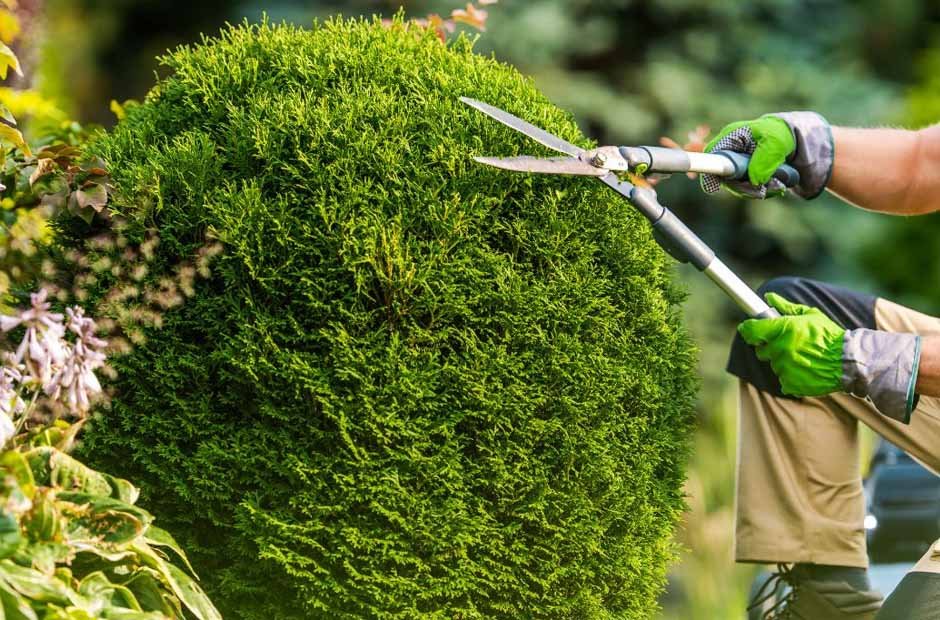
Your trees are an important part of your property. Not only do they add beauty to your yard, but also contribute to your property value. But trees cannot be left to grow on their own. They require regular maintenance. And trimming is an important aspect of tree maintenance to aid healthy growth. ArborPro Tree Experts serving Portland, Oregon, explains why it is important to trim trees:

Table of Contents

Toggle
  • Better Tree Health
  • Fewer Diseases
  • More Sunlight
  • Less Root Loss
  • Healthier and Tastier Fruits
  • Increased Property Value
  • Improved Tree Growth
  • Lesser Dangers
  • Reduced Damage
  • Improved Appearance
  • Signs Your Trees Require Trimming

Better Tree Health

Periodically trimming your trees and their branches can help keep them healthy for as long as possible. If your trees are very large, it will be difficult for them to get adequate nutrients from the soil. Trimming the branches will let your tree utilize smaller amounts of nutrients from the soil and prevent it from working extra hard to stay healthy.

Fewer Diseases

Trimming your trees regularly will help you detect diseases or pest infestations before they spread. If you have hired professionals to trim your tree, they will inspect the branches that have been cut off and assess the severity of the disease or infection. This inspection will help them determine the further course of action. They will then advise you on whether you should retain the tree and trim a few more branches or just conduct pest control to prevent the infestation or infection from spreading further.

More Sunlight

Trees, no matter their size, require sunlight to grow healthily. This process of utilizing sunlight for growth is called photosynthesis. The amount of photosynthesis occurring in your tree will depend on how much sunlight reaches all its leaves. If your tree is large, it can become difficult for the sunlight to reach hidden or low-lying parts. Trimming and removing unnecessary branches can help the leaves that are hidden receive adequate sunlight, thereby increasing photosynthesis and helping the tree grow to its full potential.

Less Root Loss

Trees experience root loss when their roots are deprived of water or oxygen. Your tree may not survive if up to 40% of its root system is lost. Tree trimming helps reduce root loss, enabling it to grow well and remain healthy.

Healthier and Tastier Fruits

Trees that have too many branches may not flower or produce fruits due to insufficient nutrition. Trimming unnecessary or infected branches will help strengthen the fruit-bearing branches, enabling the tree to get enough nutrition required to blossom and then produce tasty and healthy fruits.

Increased Property Value

Untrimmed and shabbily grown trees can make your property look unkempt and badly maintained. A well-trimmed tree, on the other hand, will enhance the look of your yard and make it more appealing to potential buyers, if you decide to sell your property.

Improved Tree Growth

Trimming trees regularly and removing branches, roots, or buds lets you eliminate any dead parts of your tree. Dead parts make your tree structurally weak and prevent growth. Trimming can remove these dead parts and improve the growth of your tree.

Lesser Dangers

Weak branches and falling limbs can be hazardous to anyone who uses your yard. The branches could fall anytime, without warning, and injure you or other residents in your home. In addition, overgrown branches could also pose a risk to your home, roof, pool, or garage. Trimming trees lets you remove these overgrown and weak branches, thereby reducing the risk of injury.

Reduced Damage

Overgrown trees pose a risk of falling or property damage, especially during bad weather. Tree branches could come crashing down on you or the property during a storm and cause significant damage. Repairing the damage will further cost you additional money. Instead, regular tree trimming will remove overgrown branches and prevent any property damage during bad weather.

Improved Appearance

Trimming your trees regularly will improve their appearance. Trimming helps you get rid of undesirable branches and unattractive leafy parts that negatively impact your tree’s appearance. Trimming the tree gives it an aesthetically appealing look and makes it one of the most pretty features on your property.

Signs Your Trees Require Trimming

While you must schedule regular tree trimming to help its growth, there are specific signs that your tree may give to indicate it requires a trim. Common signs to watch out for include:

Broken branches: If you notice any branch hanging by a splinter, you must trim it immediately. If ignored, the branch could come crashing down and injure someone or damage your property.

Branches grown close to utility lines: Sometimes, your tree branches may grow very close to utility lines. If ignored, they can hit a live wire or transformer box and affect the electric supply to the area. If your tree is growing around a power source, it must be trimmed immediately.

Storm damage: No tree is immune to the dangers and effects of a storm. A severe storm or tornado can even uproot a healthy tree. You must inspect and trim your trees if you have had a storm or heavy snowfall recently.

Weak branches: A branch doesn’t have to be broken to be weak. If the tree looks overcrowded with branches that cross each other in different ways, then chances are all of them may not be getting adequate nutrition, making some of them weak. You must identify these branches and trim them before they snap.

Diseased or dead tree limbs: Spots and cracks in your tree limbs indicate infection or another disease. Sometimes, even a lack of healthy leaves could indicate a diseased or dead limb. Trimming these branches will aid in tree growth and prevent the disease from spreading to other parts.

While trimming your trees regularly is important, you must not do it yourself. Hiring professional tree-trimming services like ArborPro Tree Experts will help you care for your tree and ensure it lives a long, healthy life. They offer tree trimming services and are available 24/7 for any tree emergencies. Their professional team will inspect your trees and identify sections that need to be trimmed.


Related Posts

paint-colors-for-living-room-how-to-choose-the-per-1

Paint Colors for Living Room: How to Choose the Perfect Shade for Your Space

by Emily Stevens
August 5, 2026
0

You are standing in the paint aisle with 50 shades of beige in your hand, and they all look the...

why-hvac-maintenance-is-important-save-money-exten-1

Why HVAC Maintenance Is Important: Save Money, Extend Life, and Prevent Breakdowns

by Emily Stevens
July 25, 2026
0

Last winter, your furnace stopped working on the coldest night of the year. The repair technician found a cracked heat...

artificial-grass-cost-material-installation-and-lo-1

Artificial Grass Cost: Material, Installation, and Long-Term Value Compared

by Emily Stevens
July 24, 2026
0

You are tired of spending every Saturday mowing, watering, and weeding the lawn. The water bill keeps going up, and...

POPULAR NEWS

Delores Miller Clark

Delores Miller Clark: Learn More about John List’s Ex-Wife

September 27, 2022
Deserai Anderson Utley Personal Life, Career, & More

Deserai Anderson Utley Personal Life, Career, & More

September 30, 2022
Lisa Seal Frigon

Lisa Seal Frigon: All about Drug Lord Barry Seal’s Daughter

September 18, 2022
Linnell S. Nobori

Linnell S. Nobori: All there is to Know about Ted Bessell’s Wife

September 5, 2022
Gweneth Gonzales Thomas

What You May Not Know About Gweneth Gonzales Thomas, Richard Thomas’ Daughter

August 2, 2022

EDITOR'S PICK

How to Make Payroll Management More Efficient & Mistake-free

How to Make Payroll Management More Efficient & Mistake-free?

June 30, 2025
Become a Cloud Developer

Become a Cloud Developer and Reach New Heights in Your Career

February 28, 2024
Chicago Businesses Customer Satisfaction

Why Veteran-Owned Chicago Businesses Excel in Customer Satisfaction

October 26, 2024
Organizations increasingly use IT staff augmentation services to meet dynamic project demands. Augmented staff can fill skill gaps, speed up project delivery, and offer specialized expertise without long-term hiring commitments. This article will explore a step-by-step guide for successfully integrating augmented staff into your existing team to ensure seamless collaboration and maximize results. Step 1: Assess Your Team’s Needs Identifying Skill Gaps Before hiring IT staff augmentation, businesses need to assess their internal team's capabilities. What specific skills are missing? Is there a short-term need, or do you need experts for a longer period? Defining these gaps clearly helps align augmented staff with the right responsibilities from the start. Setting Clear Objectives Once skill gaps are identified, set clear goals for why you are using IT staff augmentation services. Are you looking to speed up software development or bring specialized knowledge for emerging technologies? Understanding your goal allows for better planning, budget allocation, and clearer integration strategies. Step 2: Choosing the Right Augmented Staff Partner Evaluating Potential Vendors Choosing the right staff augmentation company is crucial. Research vendors read reviews, and examine case studies to ensure their experience aligns with your industry needs. Finding a staff augmentation company with a proven track record, familiarity with your technology stack, and cultural compatibility with your team is essential. Conducting Interviews While vendors may pre-screen candidates, conducting your interviews is vital. This step ensures that the augmented staff possesses the technical expertise and soft skills required for collaboration. Factors such as communication skills and adaptability should be considered during this process. Step 3: Onboarding Augmented Staff Orientation and Training Onboarding is an essential step when integrating IT team augmentation. This process should include a comprehensive introduction to your company culture, project objectives, workflow, and tools. Documentation is vital here—ensure all relevant materials are organized and accessible to the augmented staff from day one. Assigning a Mentor or Buddy Assigning a mentor to the augmented staff helps them adjust quickly. This “buddy” can guide them through processes, answer questions, and serve as their go-to resource during the initial stages of integration. This approach fosters better collaboration and helps new team members feel supported. Step 4: Establishing Effective Communication Using Collaboration Tools Collaboration tools like Slack, Zoom, or Trello can help remote software engineering staff augmentation teams communicate effectively with in-house staff. Structured communication and regular syncs ensure everyone is aligned and the project moves forward smoothly. Regular Check-ins Regular check-ins provide opportunities to monitor progress, give feedback, and address potential issues before they escalate. Scheduling weekly or bi-weekly meetings helps maintain transparency and fosters a stronger connection between in-house and augmented staff. Step 5: Defining Roles and Responsibilities Clear Role Distribution Clearly defining the roles of both in-house and augmented staff is crucial to avoid confusion and overlap. By establishing distinct responsibilities from the beginning, you set expectations, allowing both groups to work efficiently toward the same objectives. Setting Performance Metrics Set clear performance metrics for the augmented team. Whether it's deadlines, task completion, or specific KPIs, measurable goals help track progress and ensure the augmented staff meets the project’s objectives. Step 6: Encouraging Team Integration Building a Collaborative Culture Fostering collaboration between in-house and augmented staff is vital for team unity. Organizing team-building activities, project kickoffs, and open discussions about challenges creates a collaborative atmosphere that strengthens team cohesion. Feedback and Continuous Improvement Feedback is essential for continuous improvement. Hold regular feedback sessions to identify areas for adjustment. Whether addressing process improvements or skill gaps, feedback ensures that the augmented staff becomes fully integrated and productive within the team. Best Practices for Integrating Augmented Staff ● Foster Open Communication: Use collaboration tools and schedule regular check-ins to ensure transparency. ● Provide Clear Documentation: Make sure the augmented staff has access to all relevant project materials. ● Assign Mentors: Assign a mentor to help new staff members navigate internal processes. ● Measure Performance: Set KPIs to track the contributions of the augmented team members. ● Adapt and Iterate: Continuously adjust integration strategies based on feedback and project developments. Conclusion Integrating augmented staff into your existing team can be a smooth and successful process with thoughtful planning, communication, and goal setting. By clearly defining roles, maintaining open communication, and fostering a collaborative culture, you can ensure that your IT staff augmentation strategy will not only fill critical skill gaps but also enhance overall project efficiency. With these steps, you can maximize the potential of augmented staff and ensure that your team operates seamlessly, regardless of its makeup.

Step-by-Step Guide: Integrating Augmented Staff into Your Existing Team

May 28, 2025
Contact Us: Info@mitmunk.com

© 2022 Mitmunk Theme Copyright

No Result
View All Result
  • Homepages
    • Home Page 1
  • Business
  • Entertainment
  • Fashion
  • Health
  • Lifestyle
  • Tech
  • Travel

© 2022 Mitmunk Theme Copyright