Monday, April 27, 2026
Mitmunk
  • Home Improvement
  • Finance
  • Lifestyle
  • Business
  • Seo Digital
  • Auto
  • Law
  • Health
  • Other
    • Travel
    • Outdoor
    • Fashion
    • Entertainment
    • Construction
    • Education
    • Tech
    • Pet
    • Real Estate
No Result
View All Result
  • Home Improvement
  • Finance
  • Lifestyle
  • Business
  • Seo Digital
  • Auto
  • Law
  • Health
  • Other
    • Travel
    • Outdoor
    • Fashion
    • Entertainment
    • Construction
    • Education
    • Tech
    • Pet
    • Real Estate
No Result
View All Result
MitMunk
No Result
View All Result
Home Home Improvement
Linen in Clothing and Homeware

The Advantages of Linen in Clothing and Homeware Explained

Share on FacebookShare on Twitter

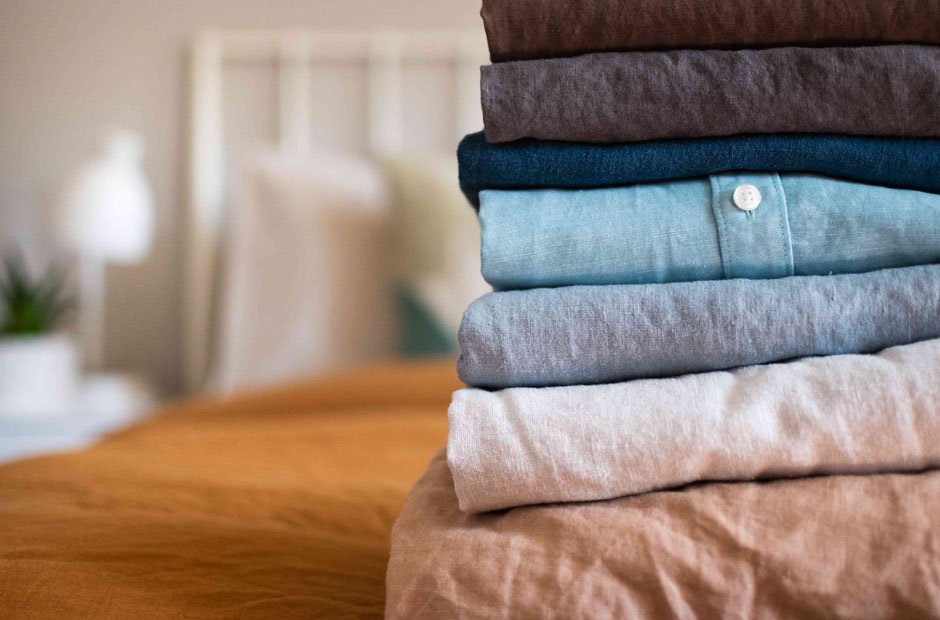
Linen is derived from the flax plant and is well-suited to a diverse range of applications such as clothing and homeware. In Canada linen fits in well with our climate.

Table of Contents

Toggle
  • Linen Clothing
  • Durability
  • Allergies
  • Homeware made of Linen

Linen Clothing

When you wear linen clothing you get the feeling that your body can breathe. During summer its properties keep the body cool by allowing air to circulate with sweat being drawn away from the body. We all know how the temperatures can soar in July and August so keeping cool is a number one priority.

On the other hand, when it’s cold what linen does when it is properly layered is to trap air close to the body providing an insulating layer against the pesky cold.

Durability

A key feature of linen clothing is its strength and resistance to general wear and tear. You can wash linen products time and again and be sure that they won’t fray or fade. This is an added benefit in making linen such a positive choice in everyday wear.

Allergies

Studies have shown that linen irritates the skin less than many alternatives meaning that people who are susceptible to skin issues can often wear this fabric when others are a no-no.

Homeware made of Linen

Homeware made of linen also has advantages. When it comes to bedding the breathability mentioned above in clothing is also a factor in bedding. You’ll get a good night’s sleep with linen sheets with night sweats reduced by a process that the helpful folks at www.cedarandvine.net explained was called “moisture-wicking”.

In essence, linen bedware maintains a dry touch. further benefits are that a healthier home environment can be maintained due to the fabric’s antibacterial properties meaning that allergens and even bacteria will not build up unlike with some other fabrics.

Linen also looks the part. Its natural feel and texture make a table setting with linen napkins look beautiful, elegant and neat. Other items such as tablecloths and cushion covers will add a chic look to your home. With the fabric’s ability to hold dyes, you won’t have the problem of fading and you’ll ensure that everything will look better longer.

And not having to change our clothes and homeware every five minutes is really what we’re after. Overall linen is a great product – sometimes a little more expensive at the outset but in the long run better for look, health and lifestyle.

Go for it!

Related Posts

How Arizona Mold Injury Attorneys Help Solve Mold Exposure Problems

How Arizona Mold Injury Attorneys Help Solve Mold Exposure Problems

by Munk
April 21, 2026
0

Understanding Mold Exposure in Arizona Arizona's climate, characterized by extreme heat and monsoon seasons, creates conditions conducive to mold growth....

Does Your Home Need Repairs? Here's How to Know

Does Your Home Need Repairs? Here’s How to Know

by Emily Stevens
April 21, 2026
0

Owning a home means you're constantly balancing maintenance duties with the reality of wear and tear. It's not always easy...

Turning Vision Into Reality With Tailored Craftsmanship

Turning Vision Into Reality With Tailored Craftsmanship

by Emily Stevens
April 16, 2026
0

In a world where mass production often dominates, tailored craftsmanship offers something far more meaningful: individuality. The ability to transform...

POPULAR NEWS

Delores Miller Clark

Delores Miller Clark: Learn More about John List’s Ex-Wife

September 27, 2022
Lisa Seal Frigon

Lisa Seal Frigon: All about Drug Lord Barry Seal’s Daughter

September 18, 2022
Deserai Anderson Utley Personal Life, Career, & More

Deserai Anderson Utley Personal Life, Career, & More

September 30, 2022
Linnell S. Nobori

Linnell S. Nobori: All there is to Know about Ted Bessell’s Wife

September 5, 2022
Gweneth Gonzales Thomas

What You May Not Know About Gweneth Gonzales Thomas, Richard Thomas’ Daughter

August 2, 2022

EDITOR'S PICK

Office Time Cravings

Your Delectable Guide To Office Time Cravings

April 28, 2023
Railroad modeling, also known as model railroading, is a beloved hobby that has been enchanting enthusiasts of all ages for generations. The world of model trains is a captivating realm where creativity, craftsmanship, and imagination come together to recreate the charm and nostalgia of railroads on a smaller scale. From meticulously building miniature landscapes to designing intricate train layouts, the art of creating these trains is a delightful and rewarding experience that allows hobbyists to build their own miniature worlds. The Journey Begins: Choosing Your Scale One of the first and most crucial decisions in model railroading is choosing the scale. These trains come in various scales, representing different proportions of the real-life counterparts. The popular scales include HO, N, O, and G, each offering unique challenges and opportunities for creativity. HO scale, being the most common, provides a good balance between detail and space, making it a popular choice for beginners and seasoned modelers alike. On the other hand, N scale offers more intricate layouts for those with limited space, while O and G scales are perfect for those who prefer large, grand layouts. Crafting the Landscape: Building Scenery Creating an immersive and realistic landscape is an essential aspect of model railroading. Hobbyists meticulously design and construct miniature worlds, complete with mountains, valleys, rivers, and towns. The process involves using a combination of materials, such as foam, plaster, and scenic textures, to sculpt the terrain. Trees, foliage, rocks, and other scenery elements are carefully placed to bring the model train layout to life. The art of crafting scenery allows modelers to unleash their creativity and transport themselves and their viewers to a mesmerizing world of imagination. The Iron Horses: Assembling Model Trains At the heart of model railroading are the model trains themselves. Building and assembling the trains require attention to detail and a passion for precision. Modelers can choose from a vast array of locomotives, freight cars, and passenger cars, representing various eras and railroad companies. Some enthusiasts even enjoy scratch-building or kit-bashing, which involves modifying existing models or creating unique locomotives and rolling stock from scratch. The joy of seeing the trains come to life on the tracks adds an extra layer of fulfillment to the hobby. A World in Motion: Laying the Tracks Laying tracks is a pivotal part of model railroading, and it requires careful planning and execution. The tracks are the lifeline of the miniature railroad, determining the flow and operation of the model trains. Modelers carefully lay the tracks, ensuring smooth curves, switches, and turnouts for seamless train movement. The wiring and control systems are also meticulously set up to allow multiple trains to run simultaneously. The satisfaction of seeing the trains glide effortlessly along the tracks is a rewarding experience for any model railroader. Bringing Realism to Life: Weathering and Detailing To achieve authenticity and realism, modelers often weather and detail their trains and scenery. Weathering involves adding wear and tear to the trains, making them look like their real-life counterparts that have endured the elements of time and travel. Modelers use various techniques like airbrushing, weathering powders, and paint to achieve the desired effect. Additionally, detailing the scenery with miniature figures, vehicles, and buildings adds depth and character to the model train layout, making it even more engaging for viewers. Creating a Narrative: Storytelling with Model Trains Model railroading goes beyond assembling trains and scenery; it allows modelers to create captivating narratives within their layouts. Hobbyists often design scenes that depict specific eras, locations, or historic events, effectively telling stories through their miniature worlds. From recreating a bustling cityscape from the 1950s to depicting a peaceful countryside scene from the 19th century, model trains offer a canvas for storytelling that sparks curiosity and fascination in viewers of all ages. Conclusion The art of railroad modeling, with its meticulous attention to detail and boundless creativity, allows enthusiasts to build their miniature universes filled with the charm of trains and the allure of the railroad era. From choosing the scale to crafting the landscape and assembling the model trains, every aspect of model railroading is a testament to the passion and dedication of its practitioners. As model trains come to life on carefully laid tracks, they evoke a sense of nostalgia and wonder, taking both the modeler and the viewer on an enchanting journey through a world of precision, craftsmanship, and imagination.

The Art of Railroad Modeling: Creating Model Trains

August 5, 2023
Brita Ingegerd Olaisson- Know Gordon Lightfoot’s First Wife

Brita Ingegerd Olaisson- Know Gordon Lightfoot’s First Wife

November 4, 2022
Begin Teeth Whitening

A Whiter Smile Awaits: The Best Time to Begin Teeth Whitening

January 25, 2024
Contact Us: Info@mitmunk.com

© 2022 Mitmunk Theme Copyright

No Result
View All Result
  • Homepages
    • Home Page 1
  • Business
  • Entertainment
  • Fashion
  • Health
  • Lifestyle
  • Tech
  • Travel

© 2022 Mitmunk Theme Copyright