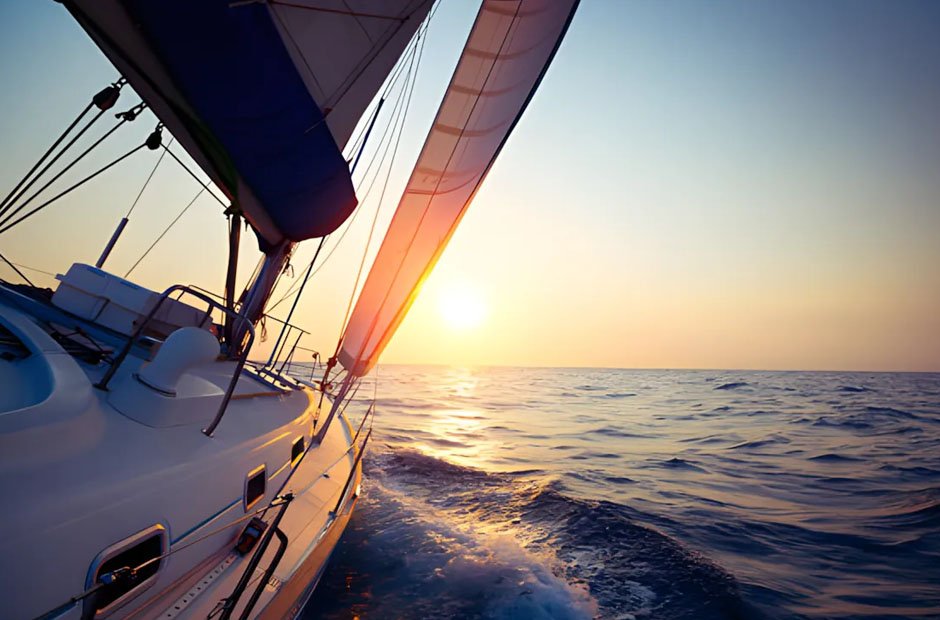
Maritime activities, from commercial shipping to recreational boating, demand a strong commitment to safety. The vastness of the sea, coupled with its unpredictable nature, requires thorough preparation and vigilance. Implementing key maritime safety measures ensures not only a smooth voyage but also the safety of all aboard. Here are essential tips for staying safe at sea. Read more: Universal Safety UK
Understanding Weather and Sea Conditions
Before setting sail, always check the weather forecast and sea conditions. Sudden changes in weather, such as high winds or storms, can pose significant risks. Familiarize yourself with local tides and currents, as they can drastically affect navigation. Modern tools like marine weather apps and GPS systems provide real-time updates, but carrying traditional navigational charts as a backup is essential.
Equipping Your Vessel for Safety
A well-equipped vessel is the foundation of maritime safety. Ensure your boat or ship has all necessary safety gear, including life jackets for every person on board, fire extinguishers, and a first-aid kit. For instance, keeping johnson pump marine solution is a key safety element to enjoy every ride safely. Emergency signaling devices such as flares, whistles, and an Emergency Position-Indicating Radio Beacon (EPIRB) can save lives in distress situations. Regularly inspect and maintain all equipment to ensure functionality when needed most.
Practicing Effective Communication
Reliable communication is vital during any maritime journey. Carry a VHF marine radio and know how to use it. Familiarize yourself with marine radio frequencies and distress signals, especially channel 16, which is reserved for emergencies. In areas with cellular service, keep a fully charged mobile phone as a secondary communication tool. Additionally, inform someone onshore about your travel plans, including departure times, routes, and expected return.
Ensuring Proper Training and Awareness
Everyone on board should have basic knowledge of maritime safety procedures. For larger vessels, the crew must undergo safety training that includes man-overboard drills, fire response, and proper use of life-saving equipment. Recreational boaters should take courses to understand navigation rules, knot-tying, and boat handling. Awareness of international maritime laws and local regulations also helps avoid accidents and legal issues.
Maintaining Vigilance on Deck
The open sea is inherently dynamic, making constant vigilance crucial. Keep watch for other vessels, floating debris, and marine life to prevent collisions. Adhere to the “rules of the road” for maritime traffic, such as giving way to larger vessels and maintaining a safe speed. At night, use proper lighting to increase visibility and ensure your vessel is easily identifiable.
Managing Fuel and Engine Preparedness
Running out of fuel or experiencing engine failure can leave you stranded. Before departure, check your fuel levels and ensure you have extra reserves. Conduct a thorough inspection of the engine, paying attention to oil levels, belts, and cooling systems. Routine maintenance, including replacing worn-out parts, helps prevent breakdowns.
Respecting Environmental Safety
Safe maritime practices extend to protecting the marine environment. Avoid discharging waste or hazardous materials into the sea, as this harms aquatic ecosystems and may lead to legal penalties. Be cautious when navigating shallow waters to prevent damaging coral reefs or disturbing marine habitats. Carry biodegradable products and use eco-friendly cleaning agents onboard.
Handling Emergencies with Preparedness
Emergencies at sea require quick thinking and well-rehearsed responses. If someone falls overboard, use the “man overboard” procedure, throwing a life ring and keeping visual contact while alerting the crew. In case of fire, cut the engine, use the fire extinguisher, and assess if abandoning the vessel is necessary. During severe weather, stay calm, reduce speed, and steer into the waves at an angle to minimize impact.
Understanding Fatigue and Its Impact
Fatigue poses significant risks in maritime environments, particularly for long voyages. Sleep deprivation and physical exhaustion can impair decision-making and reaction times. Ensure adequate rest for everyone on board, and implement watch rotations for continuous vigilance. Recognize the signs of fatigue, such as irritability and reduced focus, and take action to prevent accidents.
Preparing for Safe Navigation
Accurate navigation reduces the risk of running aground or getting lost. Use GPS systems, compasses, and radar to maintain course. Familiarize yourself with navigational aids like buoys, beacons, and charts. For coastal travel, stay within marked channels to avoid hazards such as submerged rocks or sandbars. Never rely solely on electronic systems, as they can fail unexpectedly.
Adopting a Safety-First Mindset
Safety at sea is a shared responsibility. Encourage open communication among crew and passengers about potential hazards. Regularly review and practice emergency procedures to ensure readiness. Prioritize the well-being of everyone on board by addressing concerns immediately and staying alert to changes in the environment.
By following these maritime safety tips, you can navigate the seas with confidence and minimize risks. Whether you’re a seasoned mariner or a recreational boater, adopting a proactive approach to safety ensures that every voyage is a successful one.