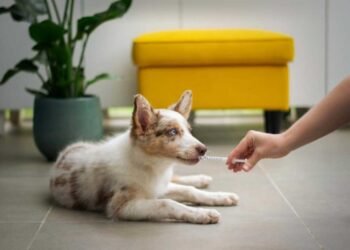
Living in an apartment or compact home doesn’t mean your energetic puppy has to miss out on essential physical activity and mental stimulation. Many dog owners face the challenge of raising a healthy, happy puppy in limited square footage, but here’s the good news: with creativity and proper planning, small spaces can actually become ideal environments for puppies to thrive. The key? Understanding that activity doesn’t always require vast outdoor areas. Mental enrichment can be just as tiring for puppies as physical exercise, sometimes even more so.
Understanding Your Puppy’s Exercise Needs
Different breeds and individual puppies have varying energy levels and exercise requirements that you’ll need to understand before designing an indoor activity plan. High-energy breeds like Border Collies, Jack Russell Terriers, and Australian Shepherds typically need more intensive activity sessions compared to their lower-energy cousins such as Bulldogs or Basset Hounds. There’s a helpful guideline that puppies generally require five minutes of exercise per month of age, twice daily, though you’ll want to adjust this based on breed characteristics and individual temperament. What’s crucial to recognize is that over-exercising young puppies can damage developing joints and bones, which makes controlled indoor activities particularly beneficial for growing dogs.
Indoor Games That Maximize Limited Space
Interactive games can transform small living areas into exciting playgrounds that challenge puppies both physically and mentally without requiring expansive rooms. Hide-and-seek games encourage natural hunting instincts while teaching recall commands, as puppies enthusiastically search for hidden family members or favorite toys throughout the apartment. Tug-of-war sessions in hallways or corners provide excellent physical workouts while reinforcing bite inhibition and impulse control, just make sure you’re practicing with proper rules and boundaries. Indoor fetch can be adapted for small spaces using soft toys or rolled-up socks in longer hallways or between rooms, providing cardiovascular exercise without the risk of damaging furniture or walls (your coffee table will thank you).
Mental Stimulation Through Training and Puzzles
Cognitive challenges often prove more exhausting for puppies than physical activities, which makes mental enrichment particularly valuable in space-constrained environments. Short, frequent training sessions throughout the day, teaching basic obedience commands, tricks, and proper household manners, provide excellent mental workouts while strengthening the human-animal bond in ways that surprise many first-time puppy parents. When working on behavioral development, owners who need to address specific challenges like jumping, nipping, or excessive barking can benefit from professional dog training tips that provide structured approaches to common puppy issues. Puzzle toys and treat-dispensing devices challenge puppies to think creatively and work persistently to access rewards, keeping them occupied for extended periods (sometimes long enough for you to actually finish that cup of coffee). Introducing new objects, textures, and safe household items for supervised exploration stimulates curiosity and builds confidence in young dogs navigating their environment. Scent work activities, such as teaching puppies to identify specific scents or locate hidden objects, tap into natural canine abilities while providing deep mental satisfaction that you can actually see in their expression. Food-stuffed toys like frozen treats in durable chew toys offer sustained engagement and help puppies associate alone time with positive experiences rather than anxiety-inducing separation. Regularly rotating toys and introducing novel challenges prevents habituation and maintains high interest levels in available activities.
Vertical Space Utilization and Creative Solutions
Maximizing vertical dimensions and underutilized areas expands activity possibilities far beyond what floor space measurements alone might suggest. Window perches and elevated observation spots satisfy puppies’ natural curiosity about outdoor activity while providing mental stimulation through environmental watching, it’s like television designed specifically for dogs. Stairs become valuable exercise tools when incorporated into controlled games and training exercises, offering cardiovascular challenges in minimal horizontal space that would otherwise go unused. Furniture can be temporarily arranged to create tunnels, barriers, and agility, style obstacles that encourage physical movement and spatial problem-solving in ways that keep puppies engaged.
Establishing Structured Routines and Rest Periods
Consistent daily schedules provide puppies with predictability and security while ensuring balanced activity and rest cycles essential for healthy development. Structured play sessions interspersed with calm-down periods teach puppies to regulate their energy levels and prevent overstimulation that can lead to problematic behaviors you’d rather avoid. Crate training creates designated rest areas where puppies learn to settle and sleep, preventing constant roaming and destructive exploration during quiet times when you need a moment of peace. Scheduled meal times, play periods, training sessions, and rest intervals establish circadian rhythms that promote better sleep patterns and overall behavioral stability, benefiting both puppies and their exhausted owners.
Socialization Opportunities beyond Your Home
Limited living space makes external socialization experiences even more critical for developing well, adjusted, confident adult dogs. Puppy socialization classes in controlled environments provide safe exposure to other dogs, people, and novel situations that simply cannot be replicated at home, no matter how creative you get. Regular brief outings to pet-friendly stores, outdoor cafes, and quiet parks expose puppies to diverse environments, sounds, and experiences essential for proper development and future confidence. Playdates with vaccinated, temperament-tested dogs in various locations offer crucial canine social interaction while burning significant energy through active play that’ll have your puppy sleeping soundly later.
Conclusion
Successfully raising an active, healthy puppy in a small living space requires creativity, consistency, and understanding of canine developmental needs, but it’s absolutely achievable. By combining physical games, mental challenges, structured routines, and external socialization opportunities, small-space dwellers can provide comprehensive enrichment that rivals what larger homes offer. The limitations of compact living actually encourage more intentional, quality interaction between owners and puppies, often resulting in stronger bonds and better-trained dogs than those who simply get tossed into big backyards. Remember that quality always surpasses quantity when it comes to puppy activities, and even the smallest apartment can become an ideal environment for raising a well-adjusted, happy dog.