The investment landscape is transforming at a pace that would’ve seemed impossible just a decade ago. Technological breakthroughs, shifting economic power structures, and entirely new market dynamics are rewriting the rulebook for traders everywhere. As 2026 approaches, sharp investors are already repositioning themselves to take advantage of several game-changing opportunities that are fundamentally reshaping how we think about financial markets. Getting ahead of these trends could mean the difference between leading the pack and playing catch-up. What’s particularly exciting is how artificial intelligence, blockchain innovation, and conventional financial tools are merging to create trading possibilities that simply didn’t exist before.
Artificial Intelligence-Powered Trading Systems
Machine learning has moved from experimental to essential in modern trading, and it’s revolutionizing how decisions get made. These algorithms can crunch through massive amounts of data faster than you can blink, spotting patterns and connections that would take human traders days or weeks to identify, if they caught them at all. What makes these systems particularly impressive is their ability to learn and adapt continuously, getting smarter with every trade they analyze, whether that trade succeeded or failed. The democratization of AI trading technology means retail traders can now access sophisticated tools that were once locked behind institutional walls.
Tokenized Real-World Assets
Blockchain’s maturation is bringing about something truly fascinating: the ability to convert traditional assets into digital tokens that trade with unprecedented flexibility. Real estate properties, precious metals, masterpiece paintings, and even patents are being transformed into tradeable tokens on specialized platforms. This isn’t just a technical novelty, it’s unlocking fractional ownership of assets that regular investors could never touch before. Imagine owning a slice of a Manhattan office building or a rare Picasso painting without needing millions in capital.
Sustainable and ESG-Focused Investments
Environmental, social, and governance factors have shifted from feel-good extras to core investment criteria that genuinely move markets. Companies demonstrating strong ESG practices aren’t just attracting positive headlines, they’re consistently outperforming competitors and drawing capital at accelerating rates. The rollout of standardized ESG reporting systems and ratings has made it considerably easier for traders to identify legitimate sustainability opportunities versus greenwashing. Carbon credit markets are exploding as both governments and corporations rush to meet ambitious net-zero commitments, creating entirely new tradeable asset classes with tremendous growth trajectories.
Decentralized Finance Platforms
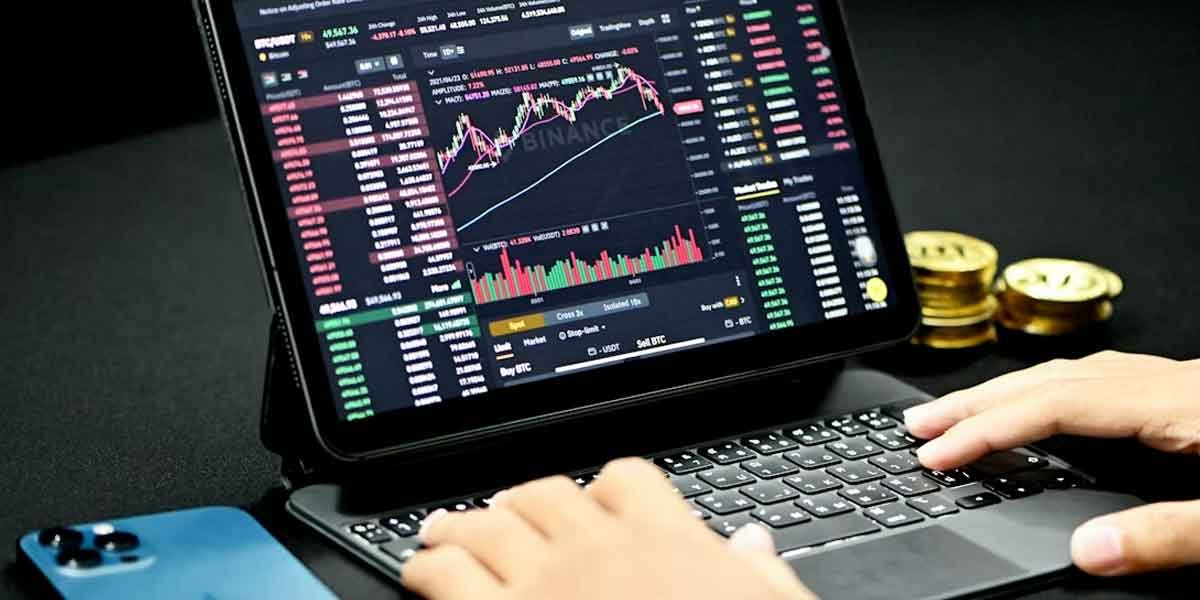
Decentralized finance has evolved considerably beyond its Wild West origins into a credible alternative to conventional banking and trading services. DeFi platforms today offer genuinely sophisticated options for trading, lending, and generating yield, all without traditional gatekeepers or geographic limitations. Liquidity pools let traders earn passive returns while simultaneously supporting critical market infrastructure, creating multiple income streams from a single position. Cross, chain bridges and interoperability protocols are breaking down the walls between different blockchain ecosystems, multiplying trading possibilities exponentially. You can now find complex derivatives, options contracts, and structured products on decentralized platforms that rival anything traditional finance offers. For traders who need to execute strategies across volatile digital asset markets, automated crypto trading bots provide continuous market monitoring and execution capabilities that manual trading cannot match. Flash loans enable capital-efficient approaches that conventional markets can’t even conceptualize, though they demand technical knowledge and careful risk assessment. The regulatory picture is gradually clearing up too, encouraging institutional players to dip their toes in more confidently. Anyone entering DeFi should prioritize security above all else, really understand smart contract risks, and maintain sensible diversification across different protocols and chains.
Quantum Computing and Computational Trading
Quantum computing is edging closer to practical financial applications, and when it fully arrives, it’ll fundamentally transform how trading strategies get developed and executed. These machines solve optimization puzzles and run simulations exponentially faster than traditional computers, opening analytical capabilities that seem almost science fiction. Forward-thinking institutions are already testing early quantum algorithms for portfolio optimization, risk modeling, and derivatives pricing. The competitive advantage quantum computing promises in areas like arbitrage detection and high-frequency trading could be absolutely massive for whoever gets there first.
Conclusion
The markets of 2026 are shaping up to look dramatically different from what we’re trading today, transformed by relentless technological progress and evolving market architectures. Thriving in this rapidly shifting environment demands continuous learning, technological flexibility, and genuine willingness to explore opportunities beyond conventional investment categories. These five areas stand out as particularly promising for traders willing to invest the time understanding their unique characteristics and risk profiles. Each opportunity certainly comes with its own challenges and pitfalls, but they also offer substantial return potential for disciplined, well, informed traders.