Cuts and scrapes are among the most common injuries animals experience, whether they’re caused by rough play, sharp objects, or everyday exploration. While many minor wounds are not life-threatening, they still require prompt and appropriate care to prevent infection, reduce discomfort, and support proper healing. Understanding how these injuries occur and how to respond calmly can make a significant difference in your animal’s recovery.
Animals often hide pain instinctively, which means even small injuries can go unnoticed until they worsen. Regular checks of paws, skin, ears, and underbelly areas are an important habit, especially for active animals or those that spend time outdoors.
First Steps After a Cut or Scrape
The first response to any visible wound should be gentle and controlled. Start by safely restraining the animal if needed, ensuring they remain calm and do not lick or bite the injured area. Cleaning your hands before touching the wound helps reduce the risk of introducing bacteria.
Rinse the area carefully to remove dirt, debris, or hair that may be trapped in the wound. Lukewarm water or a saline solution is usually sufficient for this initial cleaning. Avoid using harsh household antiseptics, as these can irritate tissue and slow healing. The goal at this stage is simply to create a clean surface so the body can begin repairing itself.
Choosing Appropriate Wound Care Solutions
Once the wound is clean, applying a suitable treatment is key. Products designed specifically for animals are formulated to be safe if licked and gentle on sensitive skin. Using solutions meant for humans can sometimes do more harm than good, especially if they contain alcohol or hydrogen peroxide in strong concentrations.
A targeted option, such as animal wound care, can be incorporated into a routine that supports healing while minimizing discomfort. Applying treatment as directed helps keep the wound clean, reduces the chance of infection, and encourages faster recovery without unnecessary stress for the animal.
Protecting the Wound During Healing
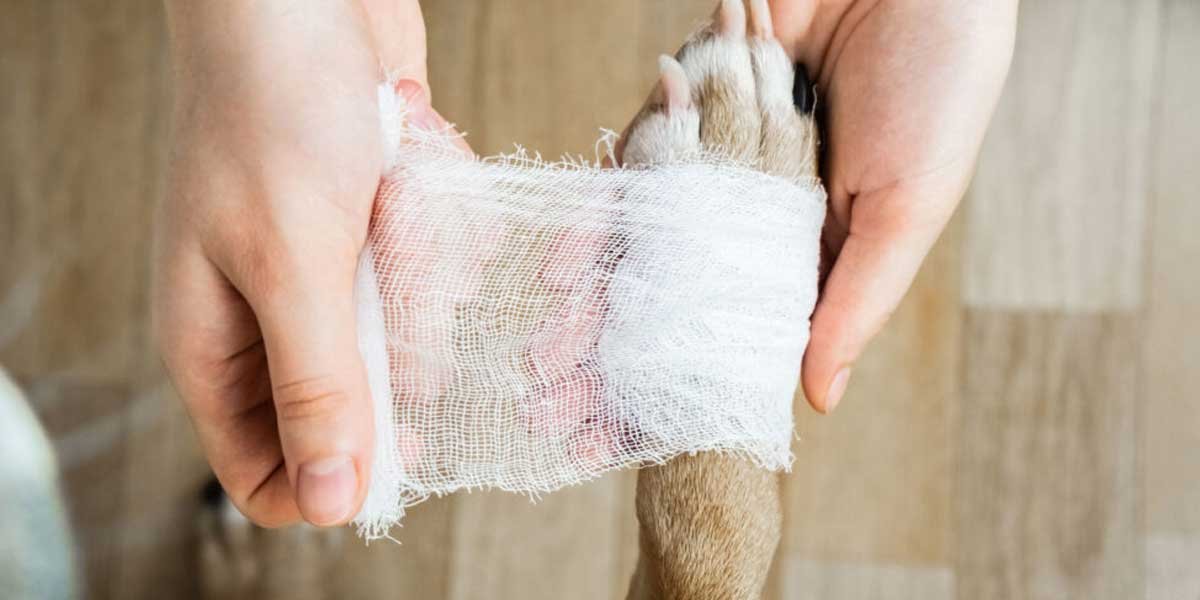
After treatment, protecting the injured area is often necessary, particularly if the wound is in a spot that rubs against the ground or other surfaces. Light bandaging may help in some cases, but it should never be too tight or left on for extended periods without checking. Poorly applied bandages can restrict circulation or trap moisture, leading to complications.
Preventing licking and scratching is also important. Animals instinctively groom themselves, but excessive licking can reopen wounds and introduce bacteria. Protective collars or supervised rest periods can help during the most sensitive stages of healing.
Monitoring for Signs of Infection
Even with good care, it’s important to watch for warning signs that indicate a wound is not healing properly. Redness spreading beyond the wound, swelling, heat, discharge, or a foul odor can all suggest infection. Changes in behavior, such as lethargy or reduced appetite, may also signal that something is wrong.
Daily inspection allows you to catch issues early. Minor wounds should show gradual improvement over a few days. If the injury appears to worsen or fails to improve, seeking veterinary advice is always the safest option.
When Professional Care Is Needed
Not all cuts and scrapes can be managed at home. Deep wounds, heavy bleeding, bite injuries, or wounds that expose underlying tissue require immediate veterinary attention. Delaying professional care in these cases can lead to serious complications and prolonged recovery.
Knowing your limits as a caregiver is part of responsible animal care. Home treatment is most effective when used for superficial injuries and combined with good judgment about when expert help is necessary.
Building a Simple Animal First Aid Routine
Having a basic wound care routine in place can save time and reduce stress when accidents happen. Keeping appropriate supplies on hand, performing regular health checks, and understanding safe treatment methods all contribute to better outcomes.
With practical knowledge and calm handling, treating cuts and scrapes becomes a manageable part of caring for animals. Consistent, gentle care not only supports physical healing but also builds trust, helping animals feel secure even when they’re hurt.