Key Takeaways
- AI technologies are revolutionizing dental reception tasks, enhancing efficiency and patient satisfaction.
- Implementing AI solutions can lead to significant cost savings and improved practice management.
- Understanding the benefits and challenges of AI integration is crucial for modern dental practices.
Table of Contents
- Introduction
- The Rise of AI in Dental Reception
- Key Benefits of AI Integration
- Implementing AI in Your Practice
- Overcoming Challenges
- Future Trends
- Conclusion
Introduction
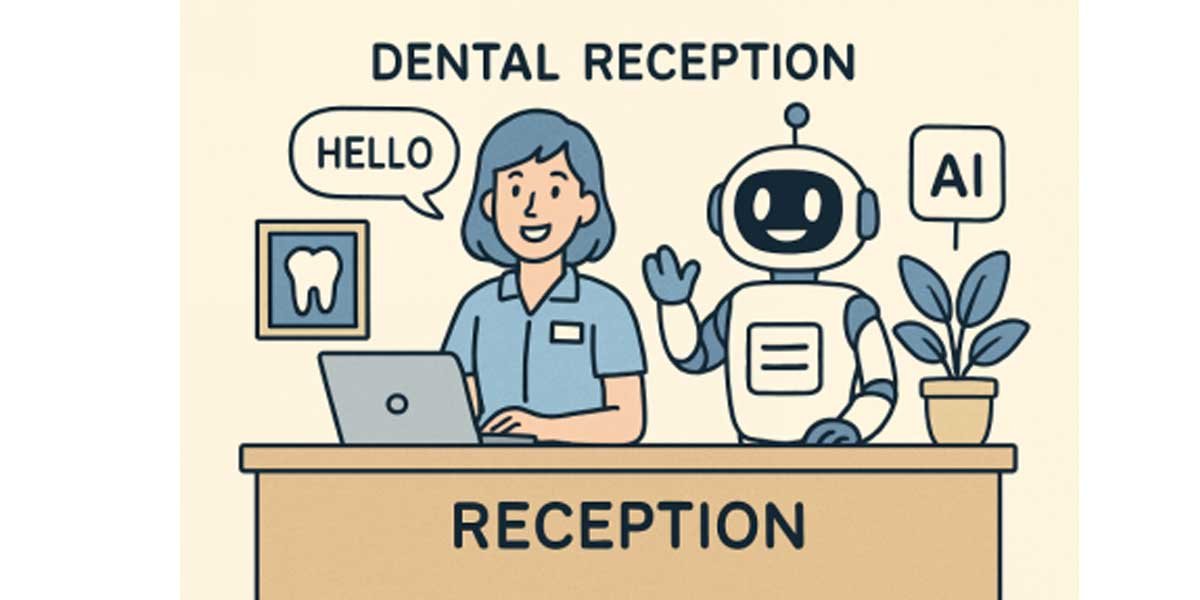
In the ever-evolving landscape of dental care, efficiency and patient satisfaction are paramount. Traditional reception tasks, such as appointment scheduling and patient communication, often consume significant time and resources. Enter artificial intelligence (AI): a transformative force reshaping dental practices, particularly at the front desk. One notable example is the AI dental receptionist developed by My Social Practice, a leading dental marketing company. My Social Practice developed Annie AI, an AI solution designed to handle various reception tasks, including managing missed calls, web chats, and recare, thereby enhancing practice efficiency and the patient experience. By automating routine administrative duties, practices can reduce human error and free staff to focus on direct patient care. AI receptionists like Annie provide 24/7 support, ensuring that no patient inquiries go unanswered. Ultimately, integrating AI at the front desk can lead to smoother operations, happier patients, and measurable growth for dental practices.
The Rise of AI in Dental Reception
Artificial intelligence (AI) is increasingly transforming industries, and dentistry is embracing its potential to improve efficiency and patient care. AI-powered systems can handle routine administrative tasks, freeing dental staff to devote more time to clinical responsibilities. For example, AI receptionists can now manage appointment scheduling, send automated reminders, and respond to frequently asked patient questions without human involvement. Beyond saving time, these technologies help minimize errors associated with manual processes, improve office workflow, and enhance the overall patient experience. By integrating AI tools, dental practices can operate more smoothly, reduce administrative burdens, and maintain higher levels of accuracy and professionalism.
Key Benefits of AI Integration
Integrating AI into dental reception offers numerous advantages:
- Enhanced Efficiency: AI systems can process tasks faster than humans, resulting in shorter response times and reduced wait times for patients.
- Cost Savings: Automating routine tasks can lead to significant reductions in labor costs.
- Improved Patient Experience: AI can provide personalized interactions based on patient history, leading to a more tailored and satisfying experience.
- 24/7 Availability: Unlike human staff, AI systems can operate around the clock, ensuring that patient inquiries are addressed promptly, regardless of the time.
Implementing AI in Your Practice
Adopting AI solutions requires careful planning. Here are steps to consider:
- Assess Your Needs: Identify which tasks can be effectively automated without compromising patient care.
- Choose the Right Solution: Research and select AI tools that align with your practice’s specific requirements.
- Train Your Staff: Ensure that your team is adequately trained to work alongside AI systems and can intervene when necessary.
- Monitor and Evaluate: Regularly assess AI tool performance and make adjustments as needed to optimize effectiveness.
Overcoming Challenges
While AI offers numerous benefits, its integration is not without challenges:
- Initial Costs: The upfront investment in AI technology can be substantial. However, the long-term savings often justify the expense.
- Data Privacy: Ensuring patient data is handled securely is paramount. Choose AI providers that comply with healthcare data protection regulations.
- Resistance to Change: Staff may be apprehensive about adopting new technologies. Providing comprehensive training and highlighting the benefits can ease this transition.
Future Trends
The future of AI in dental reception looks promising. Emerging trends include:
- Predictive Analytics: AI systems will increasingly use data to predict patient needs and optimize scheduling.
- Natural Language Processing: Enhanced AI capabilities will allow for more natural and engaging patient interactions.
- Integration with Other Systems: AI tools will become more integrated with electronic health records and other practice management software, creating a seamless workflow.
Conclusion
Integrating AI-driven solutions into dental reception workflows can transform how practices operate, delivering measurable improvements in efficiency, cost management, and patient experience. Automated appointment scheduling, intelligent patient reminders, and AI-assisted check-ins reduce administrative burdens, freeing staff to focus on higher-value tasks and direct patient care. Additionally, AI tools can analyze patient data to optimize scheduling, minimize wait times, and personalize interactions, contributing to higher satisfaction and loyalty. While implementation requires careful planning, staff training, and consideration of potential challenges, embracing these technologies positions dental practices at the cutting edge of healthcare delivery, enabling them to streamline operations, control costs, and provide a seamless, patient-centered experience.