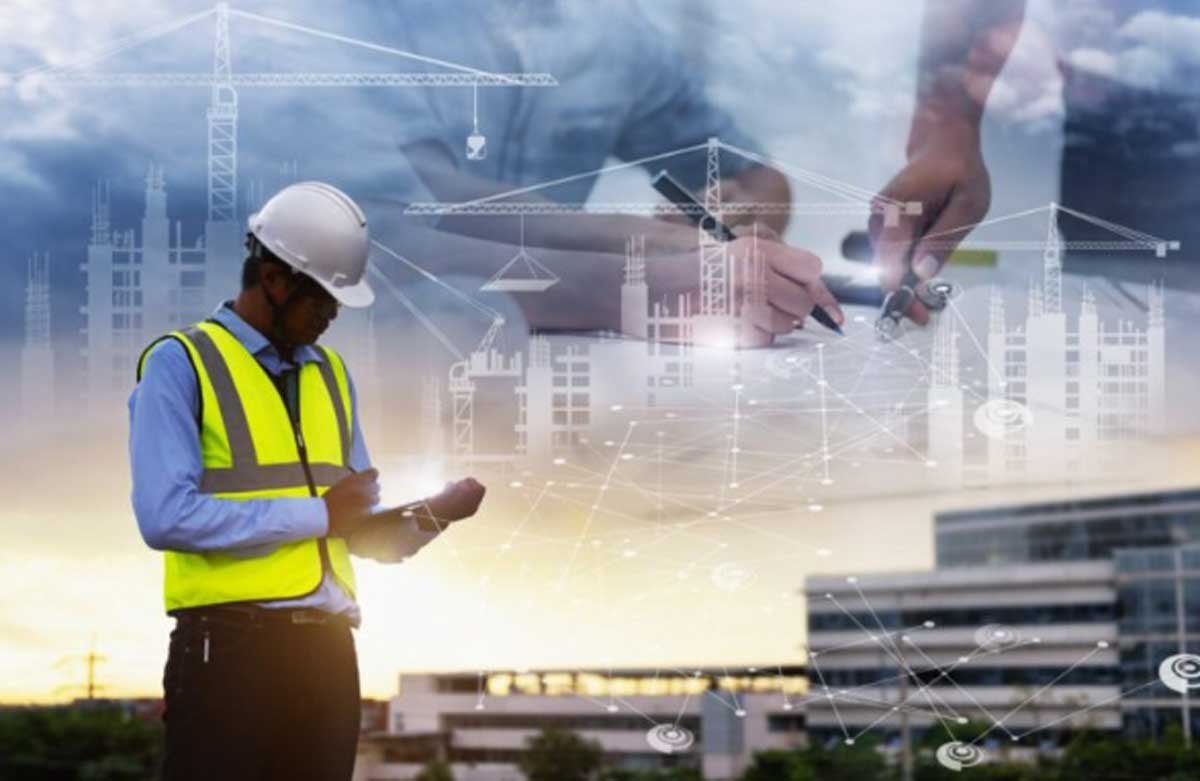
Building something new used to be about location, labor, and lumber. Today, it is just as much about bytes and data points. Developers are facing a landscape where the weather is more unpredictable, and regulations are stricter than ever. To keep up, many firms are turning to commercial real estate management software to centralize their operations and get ahead of potential disasters before they break ground. It is no longer enough to have a good gut feeling about a site; you need a digital roadmap that accounts for everything from rising sea levels to soil contamination.
The Shift From Reactive to Proactive Planning
In the past, environmental assessments were often treated as a box to be checked. You would hire a consultant, wait a few weeks for a PDF report, and hope there were no nasty surprises. If a flood risk had been identified halfway through construction, the costs would have been catastrophic. Data platforms have flipped this script by integrating real-time environmental layers directly into the planning phase.
By using geographic information systems and historical climate data, teams can visualize how a specific plot of land might look twenty years from now. This kind of foresight is a game-changer. It allows developers to adjust a building’s elevation or choose more resilient materials during the design phase, rather than scrambling to retrofit a finished structure.
Navigating the Maze of Green Regulations
Local and federal governments are not making things any easier for developers. New laws regarding carbon footprints and energy efficiency are popping up in every major city. Staying compliant is a full-time job, and doing it manually is a recipe for a lawsuit. Data platforms act as a single source of truth, tracking every permit and environmental impact study in one place.
When you have all your environmental data flowing into your commercial real estate management software, you can generate reports for investors or regulators with a few clicks. This transparency builds trust. It shows that the project is not just looking for a quick profit but is being built to last in a changing world.
Managing Physical Risks on Site
Environmental risk is not just a future concept; it is a daily reality during construction. Heavy rain can cause runoff, leading to massive fines. Extreme heat can delay work and endanger crews. Modern data tools connect with local weather sensors and satellite imagery to provide hyper-local alerts.
If a storm is brewing, the platform can automatically alert project managers to secure the site or pause specific tasks. This level of granular detail prevents small weather events from turning into massive budget overruns. It also helps in coordinating with insurance providers, who are increasingly demanding proof of risk mitigation strategies before they will even offer a quote.
Harnessing Predictive Analytics for Future Resilience
The real power of these platforms lies in their ability to look forward. We are moving past the era where we only look at what happened last year to guess what will happen next year. Predictive analytics use complex models to simulate various environmental scenarios, such as 100-year floods occurring every decade or the impact of prolonged heatwaves on a building’s HVAC requirements.
By running these simulations early, property teams can make structural decisions that save millions in future repairs. This data-driven approach allows for better allocation of resources. Instead of over-engineering every aspect of a building, developers can allocate their budget to the specific risks the data shows are most likely to affect that location. It makes the entire development process more surgical and less speculative.
Conclusion
The marriage of construction and data is the only way forward for a sustainable industry. As the stakes rise and the environment becomes more volatile, having a centralized information hub is a necessity rather than a luxury. Integrating your site data into a robust commercial real estate management software ensures that no detail is overlooked and every risk is accounted for. The future of development is not just about building taller or faster, but building smarter with the data we have at our fingertips.