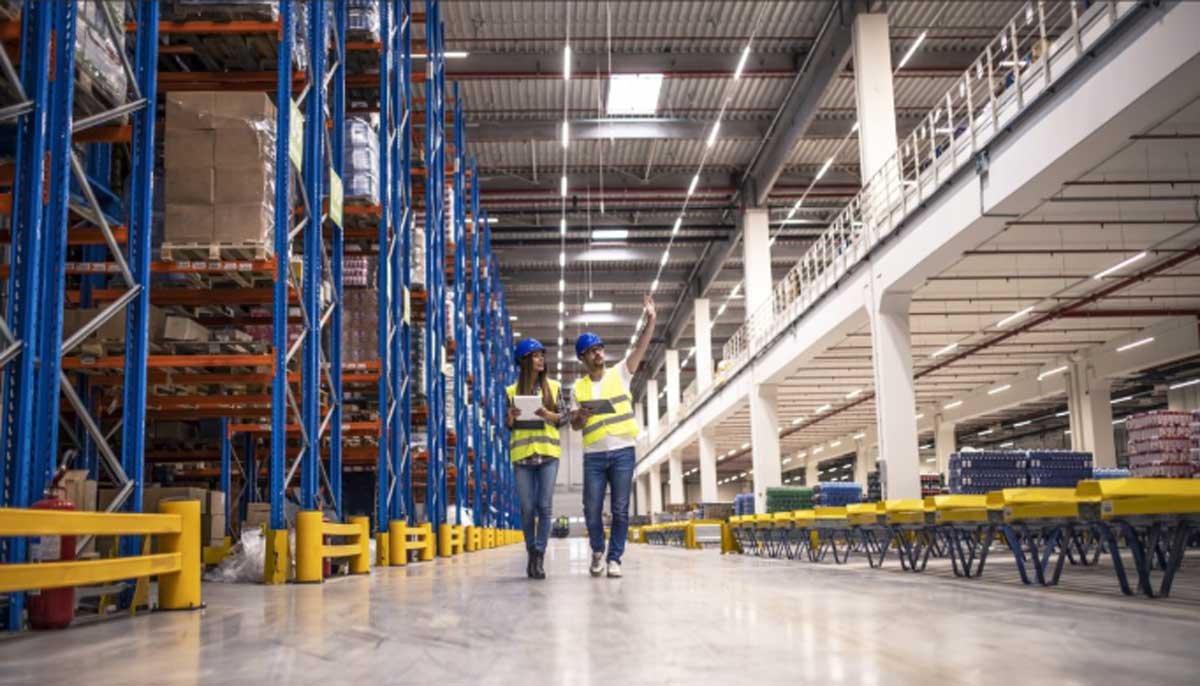
In the vast expanse of modern logistics, air movement is a critical pillar of operational success, dictating everything from employee retention to utility costs. When facility managers prioritize airflow optimization with large industrial fans, they are doing more than just spinning blades; they are re-engineering the thermodynamics of a high-ceiling environment to eliminate stagnant pockets and temperature spikes. This proactive approach to climate control ensures that the “occupied zone”—where your team actually works—remains temperate and breathable regardless of the season.
Analyzing the Invisible: Diagnostics and Data
Before a single bolt is tightened, a successful facility upgrade begins with a granular understanding of the building’s current atmospheric behavior. In huge warehouses, the heat pools at the ceiling while the crew on the floor freezes. It’s a massive waste that leaves everyone shivering all winter. According to research on indoor environmental quality from Lawrence Berkeley National Laboratory, stagnant air can lead to a significant buildup of CO2 and localized humidity, which degrades both focus and physical stamina. By using thermal imaging and anemometers to map air velocity, owners can pinpoint exactly where circulation fails. Identifying these “dead zones” behind tall racking systems allows for a surgical application of hardware rather than a guessing game that wastes energy.
Strategic Selection for Maximum Impact
Not all air-moving solutions are created equal, and the geometry of your floor plan should dictate your hardware choices. For expansive open areas, industrial ceiling fans with high-volume, low-speed (HVLS) technology are the gold standard, moving massive columns of air that create a natural cooling effect through evaporation. In cramped aisles or blocked-off docks, you need barrel fans or wall units to force air through the gaps. The trick is picking gear that fits the building’s layout rather than fighting it. High-reference data from the U.S. Department of Energy suggests that properly integrated circulation systems can significantly reduce the load on primary HVAC units, extending the lifespan of expensive rooftop compressors.
Overcoming Physical Barriers to Flow
A common mistake in warehouse management is ignoring the inventory’s “topography”. Tall pallets and mezzanines act as dams, breaking airflow and creating heat pockets. To solve this, owners should look at flow-path management—aligning fan placement with the direction of the longest aisles to minimize turbulence. If the air hits a wall of boxes at high speed, it simply bounces back, creating noise without comfort. Syncing blade pitch with exhaust louvers creates a “sweep” that pulls fresh air from the docks and shoves stale air out the roof. It’s a simple cycle that keeps the whole floor from getting stagnant or overheated.
Smart Controls and the Future of Comfort
The final piece of the puzzle lies in automation and sensory logic. Modern airflow optimization with large industrial fans no longer requires a manual “on/off” switch. Instead, variable-speed drives (VSDs) connected to ambient temperature sensors enable the system to think for itself. When the ceiling is warmer than the floor, these fans switch to a slow mode to push trapped heat back down. It’s a simple move that slashes heating bills and shrinks your carbon footprint. Smart setups like this keep the floor comfortable for the crew while protecting your margins.
Conclusion
To get a distribution center’s climate right, you have to look at more than just moving air from point A to point B. It’s about stacking small wins. Use real data to identify where the airflow stalls, place high-performance fans exactly in those dead zones, and let sensors handle the heavy lifting. When you nail those details, a massive, drafty warehouse actually starts feeling like a controlled workspace. In the end, better circulation isn’t just a perk; it’s how you keep your crew comfortable, save your gear from wear and tear, and finally stop bleeding money on utility bills.