Saturday, May 23, 2026
Mitmunk
  • Home Improvement
  • Finance
  • Lifestyle
  • Business
  • Seo Digital
  • Auto
  • Law
  • Health
  • Other
    • Travel
    • Outdoor
    • Fashion
    • Entertainment
    • Construction
    • Education
    • Tech
    • Pet
    • Real Estate
No Result
View All Result
  • Home Improvement
  • Finance
  • Lifestyle
  • Business
  • Seo Digital
  • Auto
  • Law
  • Health
  • Other
    • Travel
    • Outdoor
    • Fashion
    • Entertainment
    • Construction
    • Education
    • Tech
    • Pet
    • Real Estate
No Result
View All Result
MitMunk
No Result
View All Result
Home Business
beginner-farm-owners-protecting-harvests-from-unce-1

Beginner Farm Owners Protecting Harvests from Uncertainty

Share on FacebookShare on Twitter

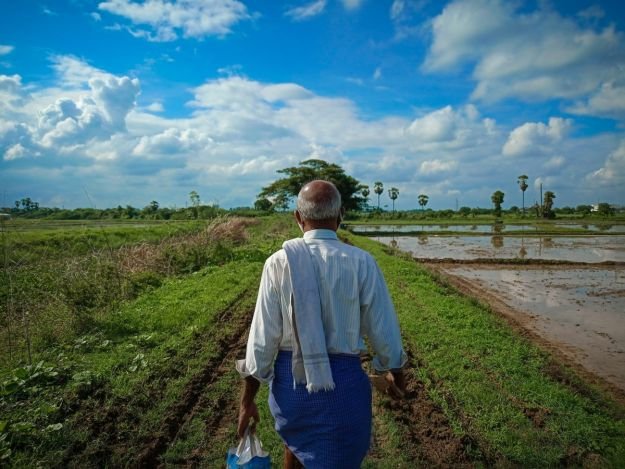
New farm owners entering agriculture today face a landscape dramatically different from what earlier generations experienced. Climate variability has increased, markets shift more rapidly, and operational challenges arise more frequently throughout the year. These pressures can be especially overwhelming for beginners who are still learning the rhythms of planting, harvesting, and managing the financial side of farming. The early years often involve balancing optimism with the realities of unpredictable conditions, making preparation essential. Protecting a harvest now requires not only knowledge of crops and soil but also a deeper understanding of risk, resource management, and long‑term planning. As new farmers work to establish their operations, they quickly discover that building resilience is just as important as producing strong yields.

Table of Contents

Toggle
  • Strengthening Farm Planning With Reliable Production Strategies
  • Using Technology to Improve Real Time Decision Making
  • Preparing Financial Protections That Support Long Term Stability
  • Building Relationships and Learning From the Farming Community
  • Conclusion

Strengthening Farm Planning With Reliable Production Strategies

A well‑structured farm plan is one of the most effective tools for addressing uncertainty. New farmers benefit from beginning with a thorough assessment of their land, including soil type, drainage, slope, microclimates, and water access. Understanding these characteristics allows them to choose the right crop varieties for their conditions. Drought‑tolerant seeds, disease‑resistant hybrids, and climate‑adapted cultivars can all help reduce risk when weather shifts unexpectedly. Many beginners adopt staggered planting schedules to spread the growing season across multiple timeframes, which reduces the impact of a single storm or unexpected cold spell.

Crop diversification is an additional strategy that strengthens resilience. By planting a mix of crop types that mature at different times and tolerate various conditions, farmers avoid depending on one harvest for their entire income. New farmers may also integrate small livestock or specialty products to complement their crop production. Each of these decisions contributes to a stronger foundation and protects the farm from seasonal variability. Thoughtful planning encourages flexibility, enabling beginners to pivot quickly when conditions change.

Using Technology to Improve Real Time Decision Making

Technology has become a powerful ally for beginner farm owners. Tools that were once available only to large operations are now accessible to smaller and newer farms. Mobile weather apps, digital forecasting platforms, and climate tracking tools help farmers anticipate changes that could affect planting or irrigation schedules. Soil moisture sensors, handheld nutrient testers, and small field cameras provide real time insight that supports timely decision making during the growing season.

Remote sensing tools such as drone imagery or satellite mapping allow farmers to monitor crop health from above. These technologies can identify early signs of plant stress, pest activity, or uneven watering before the issues become visible from the ground. Identifying problems early makes treatment more effective and prevents unnecessary loss. Digital farm management systems also assist beginner farmers by organizing field data, tracking expenses, and analyzing yield patterns across seasons. These insights support smarter decisions and create a more stable operational environment, especially during the unpredictable early years of establishing a farm.

Preparing Financial Protections That Support Long Term Stability

Financial strength is a core component of protecting a harvest. Beginner farmers often discover that even a well managed farm can face sudden disruptions that impact revenue. Unexpected storms, pest outbreaks, market closures, or equipment failures can create financial pressure quickly. Establishing clear budgets, tracking expenses regularly, and planning for cash flow gaps all help protect the operation during difficult periods.

Many new farm owners also explore risk management tools offered by crop insurance companies, which provide financial compensation when natural disasters or weather events significantly reduce yields. While insurance cannot prevent losses, it can soften the financial impact and help the farm recover more quickly. This support can be especially important for beginners who are still working to build savings and financial resilience. Emergency funds, low interest agricultural loans, and local assistance programs also contribute to stability during challenging seasons. By preparing financially, beginner farm owners gain confidence that they can withstand setbacks and continue building their operations year after year.

Building Relationships and Learning From the Farming Community

Strong community connections are one of the greatest advantages available to new farmers. Local grower groups, cooperative extensions, and agricultural mentors offer practical guidance that cannot always be found in books or online resources. Experienced farmers share insight about local conditions, pest pressures, reliable suppliers, and seasonal patterns that help beginners make informed decisions. Many communities host workshops or field days that introduce new farmers to best practices for soil health, irrigation, farm safety, and crop planning.

Networking also provides emotional support. Farming can be demanding, and uncertainty is easier to navigate when surrounded by people who understand the challenges firsthand. Collaboration creates opportunities for equipment sharing, cooperative marketing, and joint problem solving, reducing the individual burden on new farmers. These relationships encourage growth, build confidence, and offer a sense of belonging within the broader agricultural community.

Conclusion

Beginner farm owners who take proactive steps to protect their harvests are better positioned to thrive in an increasingly unpredictable agricultural landscape. Through thoughtful planning, smart use of technology, financial safeguards, and strong community networks, new farmers build resilience that supports both their productivity and their long term goals. When they invest in preparation as steadily as they invest in their crops, they create farms capable of sustaining growth even during periods of uncertainty.


Related Posts

why-material-innovation-is-quietly-reshaping-moder-1

Why Material Innovation Is Quietly Reshaping Modern Manufacturing

by Emily Stevens
May 23, 2026
0

Modern manufacturing is evolving at a remarkable pace. While automation, artificial intelligence, and robotics often dominate the conversation, another force...

Equipment Considerations for Competitive Pistol Shooters

Equipment Considerations for Competitive Pistol Shooters

by Emily Stevens
May 13, 2026
0

Competitive pistol shooting has a way of exposing what truly works under pressure. A setup that feels fine on a...

How Companies Safeguard Software Through Smart Agreements

How Companies Safeguard Software Through Smart Agreements

by Emily Stevens
April 29, 2026
0

Software has become one of the most valuable assets within modern organizations. From managing internal operations to delivering customer facing...

POPULAR NEWS

Delores Miller Clark

Delores Miller Clark: Learn More about John List’s Ex-Wife

September 27, 2022
Deserai Anderson Utley Personal Life, Career, & More

Deserai Anderson Utley Personal Life, Career, & More

September 30, 2022
Lisa Seal Frigon

Lisa Seal Frigon: All about Drug Lord Barry Seal’s Daughter

September 18, 2022
Linnell S. Nobori

Linnell S. Nobori: All there is to Know about Ted Bessell’s Wife

September 5, 2022
Gweneth Gonzales Thomas

What You May Not Know About Gweneth Gonzales Thomas, Richard Thomas’ Daughter

August 2, 2022

EDITOR'S PICK

Dr. Aaron Wohl

Why Was Dr. Aaron Wohl Arrested?

June 20, 2024
Invest In Your Community While Investing In Your Finances: Preschool Franchises

Invest In Your Community While Investing In Your Finances: Preschool Franchises

April 6, 2024
A sump pump is an appliance in your home’s plumbing system. Recognizing issues with this device allows you to get them addressed promptly. Whether it makes loud noises, runs continuously, or doesn’t power on, professional plumbers can diagnose and fix the problem. Here is more information about what a sump pump does and when to call your plumber for repair: The Purpose of a Sump Pump A sump pump collects and discharges excess foundational groundwater to a designated area. It prevents water from accumulating in your basement, safeguarding your home against floods and water damage. This appliance is located in a sump basin, a naturally constructed pit usually dug in the basement. During heavy rainfall, the soil around your home becomes oversaturated. Without proper drainage, this water will eventually funnel into your basement, leading to basement flooding. Excess groundwater flows towards the sump basin. The sump pump float switch detects this and alerts the pump as the water level gets high. This allows the pump to move water from the sump basin through the discharge pipe. The pipe discharges this water into a dry well, detention pond, or storm drain. Sump pumps can also be effective if the soil around your home is excessively damp due to broken underground pipes. By leading groundwater away into a designated area, a sump pump keeps your home dry. It protects your paint and home appliances while keeping your house intact. It also prevents moisture-related issues that may cause fungus, mildew, and mold growth. When To Call a Plumber for Repair Knowing when to call plumbers to repair your sump pump can prevent structural damage and other water-related issues. Here are the warning signs indicating it’s time to bring a professional to repair your sump pump: Runs Continuously Your sump pump should only run when needed. After pumping the water out, the float switch deactivates the pump. If the pump cycles constantly, there could be a problem with the switch or float arm mechanism. These devices can malfunction if your pump shifts in the basin. This issue can cause the switch to get stuck in the on position. It can also run nonstop if you have a blocked discharge pipe. A plumber will inspect and adjust the float switch within the basin if necessary. If the problem stems from a blocked discharge pipe, the plumber will unblock it to eliminate the clogs. Loud or Strange Noises The pump makes a soft humming sound when activated. Excessive or strange noises from your sump pump mean it’s time to call a plumber for repair. A defective motor could be the culprit if you notice clunking, grinding, or rattling sounds. Professional plumbers will inspect the components and repair or replace them. You may also notice that your pump vibrates when activated. Excessive vibration could result from a bent or damaged impeller. A plumbing team will repair or replace the bent impeller to prevent the pump from vibrating. Storm Drain Backups Backflow or storm drain backup is another sign that you need to call your plumber. A malfunctioning sump pump will increase the risk of flooding. A backflow can occur if there’s a blockage in the discharge pipe. Another possible cause of a backflow is an improperly installed or damaged check valve. Your plumber will unblock the discharge pipe or install the check valve properly to resolve this issue. Failure To Turn On A sump pump that won’t power on could indicate several issues. If the float switch is stuck in the off position, it won’t activate the pump when needed. Electrical failure, including a failed motor or tripped circuits, could also be to blame. Licensed plumbers will examine the sump pump system and the power source to determine the cause. They may repair or replace the motor if it’s the culprit. Call Professional Plumbers for Sump Pump Repair Maintaining the condition of your sump pump is a great way to safeguard your home’s structural integrity. Although your sump pump can last up to many years, it can malfunction prematurely and put your home at risk of water damage. This is where professional plumbers come in. A plumbing team will examine the sump pump system to locate and fix the problem. Contact your plumbing company today for expert sump pump repair.

The Purpose of a Sump Pump and When to Call a Plumber for Repair

March 28, 2024
Benefits of getting DevOps Certification

Benefits of getting DevOps Certification

March 12, 2023
Contact Us: Info@mitmunk.com

© 2022 Mitmunk Theme Copyright

No Result
View All Result
  • Homepages
    • Home Page 1
  • Business
  • Entertainment
  • Fashion
  • Health
  • Lifestyle
  • Tech
  • Travel

© 2022 Mitmunk Theme Copyright