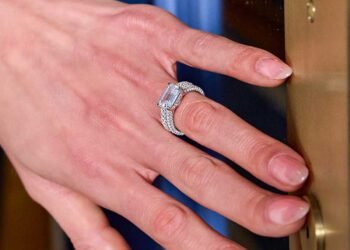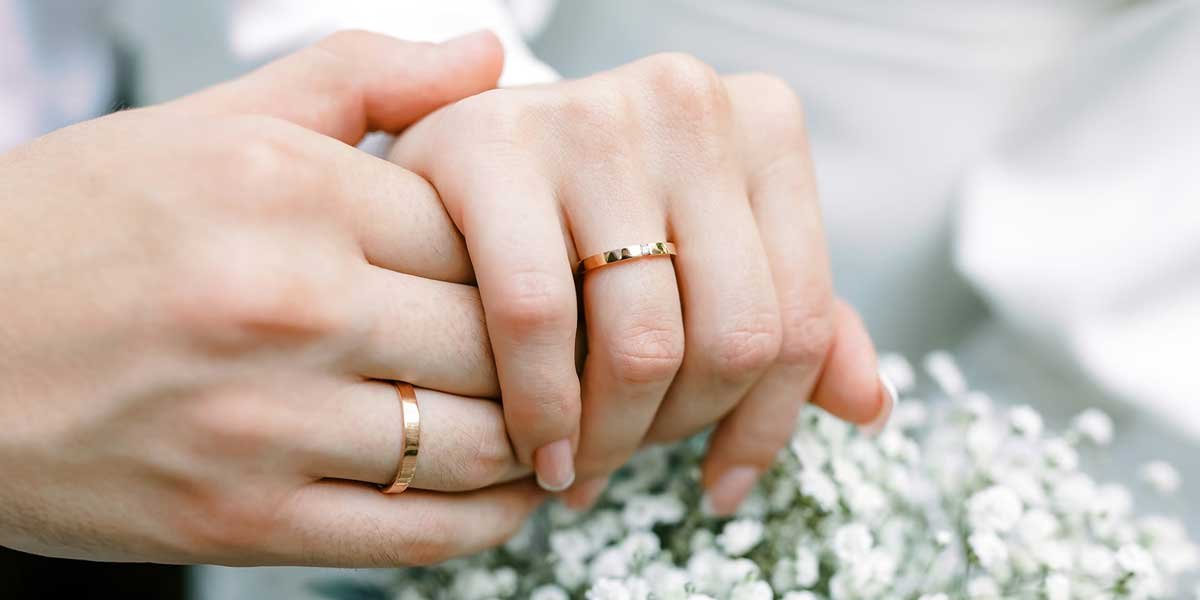
When buying a ring, choosing the right metal is crucial as it secures the gemstones and defines the piece’s overall look. Different metals, like gold, platinum, and silver, vary in durability, maintenance, and price. Selecting an unsuitable metal could result in extra repair costs or a style that doesn’t fit your daily life.
The Classic Appeal of Gold
Gold remains the most popular choice for fine jewelry worldwide. Pure gold (24 karat) is much too soft for everyday wear. Jewelers mix pure gold with alloy metals like copper, silver, or zinc to increase its strength. This alloying process creates different karat weights, such as 14k and 18k, and produces the three primary gold colors.
Yellow Gold
Yellow gold provides a warm, classic appearance. It is a mixture of pure gold, copper, and silver. This metal requires very little maintenance and does not lose its color over time. It is an excellent choice for vintage-inspired designs or traditional styles.
White Gold
White gold offers a modern, sleek look that resembles platinum but at a lower price point. Jewelers create white gold by mixing pure gold with white metals like nickel, silver, or palladium. The final piece is coated in rhodium to give it a brilliant, reflective finish. Over time, this rhodium plating wears off, revealing a faint yellow tint underneath. You will need to have your white gold rings replated by a jeweler every few years to maintain their bright white appearance.
Rose Gold
Rose gold features a romantic, pinkish hue. This color comes from a higher concentration of copper mixed with the pure gold. The added copper makes rose gold slightly more durable than yellow or white gold. It is a highly trendy option that complements a wide variety of gemstone colors.
Premium Durability: Platinum and Palladium
For rings worn constantly, durability is a massive factor. Two metals stand out for their incredible strength and longevity.
Platinum
Platinum is a naturally white metal that never requires replating. It is incredibly dense, making it much heavier than gold. When platinum is scratched, the metal is merely displaced rather than lost entirely. Over time, these tiny scratches create a frosted appearance known as a patina. Many people love this antiqued look, though a jeweler can quickly polish the ring to restore its original high shine. Furthermore, platinum is completely hypoallergenic, making it ideal for anyone with sensitive skin.
Palladium
Palladium belongs to the same family of metals as platinum. It shares many of the same incredible properties, including a naturally white finish and a hypoallergenic nature. However, palladium is less dense, making it noticeably lighter on the finger. It is slightly more affordable than platinum, offering a great middle ground for those wanting premium durability without the highest price tag.
The Affordability of Silver
Sterling silver is a beautiful, budget-friendly option for fine jewelry. It consists of 92.5% pure silver mixed with copper to add strength. Silver features a bright, grayish-white luster that looks stunning with almost any outfit.
However, silver is much softer than gold or platinum. It scratches and bends somewhat easily, making it less ideal for bands worn daily. Silver also tarnishes when exposed to air and moisture. You will need to clean and polish silver rings regularly to keep them looking their best. It serves as a fantastic choice for fashion jewelry or occasional wear.
Budgeting for Your Band
Your metal choice heavily influences the final cost of a ring. Understanding how these materials are priced can help you stick to your budget.
Platinum is the most expensive jewelry metal. Its high density means a platinum ring requires more physical material than a gold ring of the same size. Additionally, platinum is used in a very pure form (usually 95%), driving up the cost.
Gold offers a flexible middle ground. The price fluctuates based on the karat weight. An 18k gold ring contains more pure gold than a 14k ring, making it more expensive.
Silver sits at the lower end of the price spectrum. It allows you to purchase large, intricate designs without breaking the bank.
When budgeting, always factor in long-term maintenance. White gold requires occasional rhodium plating, which incurs a small fee. Platinum might need professional polishing. Factoring in these future costs ensures you make a fully informed financial decision.
Matching Metals to Skin Tones and Style
Personal style and skin complexion play a huge role in finding the right metal. You want a ring that flatters your hand and fits seamlessly into your wardrobe.
You can determine your skin tone by looking at the veins on the inside of your wrist. If your veins appear green, you have a warm skin tone. Warm complexions look fantastic with the earthy, rich hues of yellow and rose gold. If your veins appear blue or purple, you have a cool skin tone. Cool complexions shine against the icy brightness of white gold, platinum, and silver. If you have a mix of both, you possess a neutral skin tone and can easily wear any metal color.
Consider your wardrobe and other jewelry pieces. If you primarily wear silver watches and bracelets, a white gold or platinum ring will blend right in. Mixing metals is also highly fashionable, especially when creating unique engagement rings that intentionally stand out from the rest of your accessories.
Frequently Asked Questions
Which metal is best for sensitive skin?
Platinum and palladium are the best choices for sensitive skin. They are naturally hypoallergenic and do not contain nickel, which is a common cause of jewelry allergies.
Does 14k or 18k gold scratch easier?
An 18k gold ring contains a higher percentage of pure gold, making it softer and more prone to scratching. A 14k gold ring contains more alloy metals, giving it a harder, more scratch-resistant surface.
Conclusion
Choosing the right metal for your ring requires balancing budget, lifestyle, and visual preferences. Gold provides classic beauty with versatile color options. Platinum delivers unmatched durability and a low-maintenance white finish. Silver offers affordability for stunning fashion pieces.