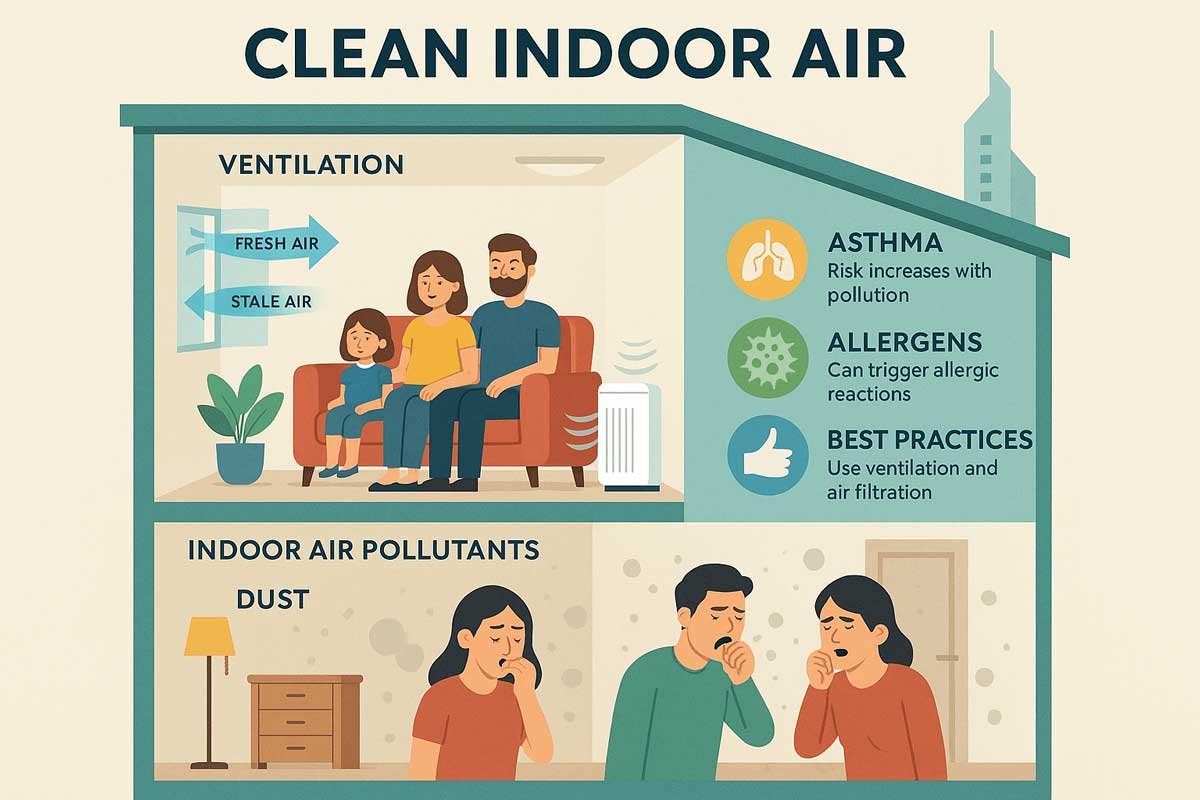
Most people spend the majority of their time indoors, where air quality can be significantly worse than outside due to trapped pollutants like dust, pet dander, and chemicals. Poor indoor air quality can cause lingering smells and headaches, potentially escalating to serious health issues and property damage.
Recognizing the Warning Signs of Poor Indoor Air
Unexplained Physical Symptoms
Your body is often the first to react to airborne contaminants. Frequent sneezing, coughing, watery eyes, and throat irritation are very common indicators. Pay close attention to when and where these symptoms occur. If you notice your allergies clear up when you leave the house and return shortly after you walk back through the front door, your indoor air is likely the culprit. Unexplained fatigue, dizziness, and frequent headaches can also point to elevated levels of volatile organic compounds (VOCs) or carbon monoxide.
Persistent and Unusual Odors
A clean, well-ventilated home should smell relatively neutral. Musty, damp, or stale odors usually point to excess moisture and potential fungal growth. Many homeowners try masking these smells with scented candles or chemical air fresheners. Unfortunately, this only hides the issue temporarily and can actually introduce more pollutants into the environment. You need to find the root cause of the odor to eliminate it permanently.
DIY Fixes vs. Professional Intervention
Many homeowners understandably try to tackle air quality problems themselves first. Upgrading your HVAC filters, using standalone air purifiers in bedrooms, and opening windows to increase cross-ventilation are excellent starting points. These simple do-it-yourself methods work quite well for basic ventilation needs and seasonal allergy relief.
However, DIY solutions have strict limits. A standard room air purifier cannot kill a deep-rooted fungal colony inside your basement drywall. If you have thoroughly cleaned your home, eliminated dust, and upgraded your air filters but still suffer from poor air, it is time to bring in an expert. Professionals use advanced testing equipment, such as thermal imaging and specialized air monitors, to pinpoint exactly what is floating in your air and where it is coming from.
The Hidden Dangers Lurking in Your Home
Unseen Mold Growth
Mold thrives in dark, damp environments with poor airflow. You might not see it, but it can grow aggressively inside wall cavities, under carpets, and throughout your HVAC ductwork. As the colony grows, spores travel through the air, triggering asthma attacks and severe allergic reactions. If you live in Utah and suspect a major moisture issue, looking into mold remediation services in Salt Lake City can prevent the infestation from spreading further and damaging your home’s structural integrity.
Structural and Moisture Issues
Poor air quality often ties directly to hidden building defects. Leaky plumbing pipes, compromised roof shingles, and poor basement sealing allow water to seep inside. Once water enters the building envelope, it degrades drywall and wood, creating a perfect breeding ground for airborne contaminants. Environmental professionals know how to trace bad air back to these structural failures.
The Value of Hiring an Environmental Professional
Protecting Your Health
Breathing clean air directly impacts your overall physical and mental well-being. By letting a professional handle severe indoor air issues, you protect your family from chronic respiratory problems. Experts know how to safely isolate and remove hazardous materials without cross-contaminating the rest of your living space. They utilize industrial-grade negative air machines and specialized protective gear to ensure the hazard is completely eradicated.
Long-Term Financial Benefits
Ignoring poor air quality usually leads to much bigger repair bills later. Biological growth rots wood framing and destroys drywall. Catching these problems early saves you from having to gut and replace entire rooms in your house. Furthermore, clean air systems and well-maintained ducts run much more efficiently. Resolving these airflow issues can significantly lower your monthly heating and cooling costs.
Frequently Asked Questions About Indoor Air Quality
How often should I have my home’s air tested?
It is generally a good idea to test your home’s air every few years. You should also schedule a test immediately after experiencing major water damage, before buying a new home, or if residents suddenly develop unexplained respiratory issues.
Can poor air quality affect my pets?
Yes. Animals often experience the same physical symptoms as humans, including coughing, lethargy, and skin irritation. Because they are smaller and breathe closer to the ground, pets can sometimes be even more sensitive to indoor pollutants than we are.
Conclusion
You deserve to feel entirely safe and comfortable in your own house. If you suspect an invisible threat is compromising your health, do not wait for the problem to worsen. Masking odors and upgrading basic filters will only take you so far.