Have you ever wondered how people react so quickly during a health crisis? Emergencies can happen anywhere and at any time without warning. Knowing what to do in those moments can make a life-saving difference.
Quick thinking and simple actions often matter more than complex knowledge. Many people feel unsure when faced with sudden health problems. Learning a few essential skills can build confidence and readiness.
This guide will show practical steps to stay calm and act fast when every second matters. Keep on reading!
Stay Calm Under Pressure
Staying calm allows clear thinking even when a situation feels overwhelming. Panic can slow reactions and lead to poor decisions in critical moments. Take a deep breath and focus on what needs to be done first.
Look around quickly and assess the environment for any immediate danger. This habit helps control fear and supports better action during emergencies when time is short and pressure rises.
Learn Basic First Aid
Basic first aid skills help treat injuries before professional help arrives. Simple steps like cleaning wounds or stopping bleeding can save lives. It is useful to learn proper techniques through training programs.
A strong foundation in first aid also supports confidence in emergencies. Many courses include practical lessons and demonstrations that are easy to follow and help people remember steps in stressful situations.
Practice Quick Decision Making
Fast decisions are important when dealing with injuries or sudden illness. Delays can increase risks and reduce the chance of recovery. Training the mind to choose simple actions quickly can improve outcomes.
Repeating common emergency steps helps build strong habits over time. These habits enable faster, unhesitant responses in real situations and make it easier to stay focused when facing unexpected, stressful, serious events.
Know When to Call for Help
Recognizing serious conditions is key to getting professional help on time. Some signs include difficulty breathing, chest pain, or loss of consciousness.
Calling emergency services quickly ensures trained responders can take over care. It is important to stay clear and provide accurate information during the call. Knowing these signs prevents delay and supports better outcomes for patients, especially in urgent cases needing immediate care.
Build Awareness of Surroundings
Being aware of the environment helps prevent accidents and supports faster action. Hazards like fire, sharp objects, or wet floors can increase danger.
Observing surroundings allows for quick changes to keep everyone safe. This skill also helps guide others away from risk during emergencies. Awareness combined with action can reduce harm and improve safety outcomes in crowded places or unfamiliar areas where danger may not be obvious.
Maintain Basic Life Support Skills
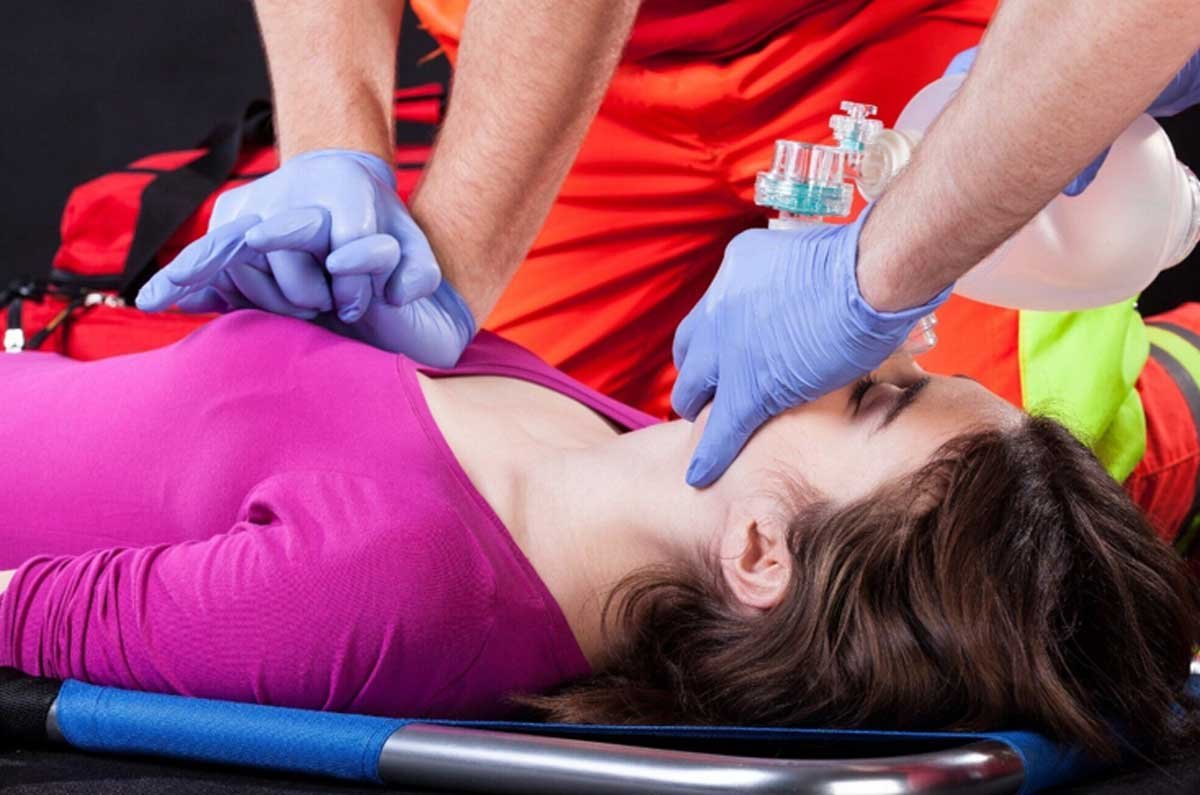
Basic life support techniques are critical during cardiac or breathing emergencies. These include chest compressions and rescue breathing performed correctly.
Training in BLS ensures readiness to act when someone stops breathing or loses a pulse. Regular practice helps maintain proper technique and confidence over time. These skills can keep a person alive until professional help arrives and increase chances of survival during serious critical situations.
Key Skills To Handle Health Emergencies Quickly
In an emergency, you need to be able to think calmly, act quickly, and know what to do. You can learn and get better at these skills by using them often and being aware of them.
Being ready lets you act faster and make better choices when seconds count. Simple things like giving first aid and being clear can make a big difference.
In the long run, these habits will help save lives. Keep learning new things and always be ready for the unexpected.
For more helpful tips, browse our blog regularly!