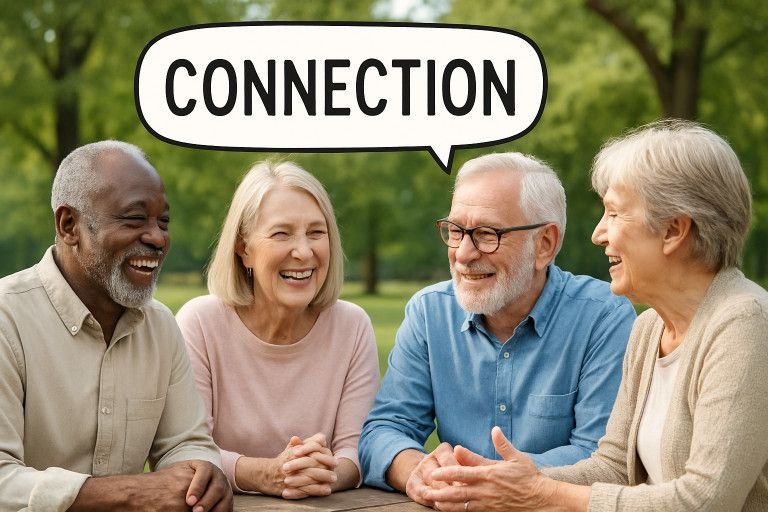
Social connection is fundamental to well-being, particularly as we grow older. Regular interaction with friends, family, and community members helps support positive mental health, encourages active living, and can even help protect against the onset of chronic illness. For those seeking community-based solutions, assisted living Westchester, NY, offer environments centered on social engagement and community support. Loneliness among older adults has become increasingly common, yet establishing and maintaining relationships remains a powerful antidote to the negative effects of social isolation. Research has shown that those who nurture social connections retain better cognitive abilities and often experience a higher quality of life in later years.
The Health Benefits of Social Engagement
Recent studies have underscored the profound link between social connectedness and health. Older adults with close social circles exhibit slower cellular aging and show fewer signs of chronic inflammation, both indicators of healthier aging. Maintaining robust social networks acts much like a health savings account, yielding benefits for both the body and mind through consistent investment over time. According to Harvard Health Publishing, having reliable friends and participating in group activities has been proven to improve mood and lower the risk for certain diseases.
Beyond the immediate emotional benefits, social engagement also encourages healthy routines. Socially active people tend to be more physically mobile, participate in group exercises, and are more likely to attend preventive health check-ups. Engaging in social interaction often leads to new hobbies and learning opportunities, exposing individuals to broader perspectives and new experiences, which can stimulate cognitive functions and support brain health. Just as importantly, laughter and shared experiences can be powerful stress reducers, helping lower blood pressure and support a healthier immune system.
Building relationships doesn’t require large circles; even small, close-knit groups or regular check-ins from neighbors and friends can serve to fortify mental resilience and help aging individuals feel valued. These frequent, positive interactions build a sense of purpose, which is vital for maintaining motivation and overall well-being.
Risks Associated with Social Isolation
Public health experts increasingly recognize the consequences of loneliness and social isolation. Research indicates that individuals who experience severe isolation are at heightened risk for depression, anxiety, cognitive decline, and even early mortality. A study from the University of New South Wales suggests that “social frailty” is a warning sign for dementia in later life, highlighting the importance of strong social relationships for neurological health.
Chronic social isolation doesn’t just impact mental and neurological health, as it is increasingly associated with a decline in physical health. Studies show a correlation between a lack of relationships and increased levels of inflammatory markers, impaired immunity, and greater susceptibility to infections. Furthermore, people experiencing isolation may delay or avoid seeking medical care, further intensifying health risks. The emotional toll of feeling disconnected can also manifest in unhealthy coping habits, such as poor diet or reduced physical activity, further compounding potential health issues.
Practical Strategies to Stay Connected
Even if you are not naturally extroverted, there are effective ways to develop and sustain social bonds as you age:
Join Community Groups: Local clubs, recreational centers, or faith-based organizations often host events that encourage bonding over shared interests.
Volunteer: Helping others through community service not only supports those in need but also fosters meaningful new connections.
Utilize Technology: Platforms for video calls and social media allow you to keep in touch with loved ones, even at a distance.
Attend Educational Classes: Continuing education through workshops or courses can lead to new friendships and rejuvenate existing interests.
Consider also joining interest-based clubs or issue-focused advocacy organizations, which can be fulfilling ways to make friends who share your values. Libraries and local parks sometimes offer free or low-cost activities, making social participation possible for seniors on a fixed income. Regularly scheduled events give routine and rhythm to daily life, providing something to look forward to each week and increasing the likelihood of ongoing involvement.
Overcoming Barriers to Social Engagement
Physical limitations, transportation challenges, and changes in life circumstances can interrupt social participation. However, these barriers are not insurmountable. Seek out community organizations that provide senior transportation services, or explore virtual meetups as alternatives to in-person gatherings. If you struggle with mobility, online classes, discussion forums, or book clubs can spark meaningful conversation from home.
Seek Local Resources: Many areas have transportation options specifically for seniors to help them attend social activities or medical appointments.
Explore Virtual Options: Many organizations now host online events, which make it easier than ever to connect with others regardless of physical location.
Communicate Needs: Family, friends, and neighbors can only provide support if they know your situation. Open communication is crucial.
It is also useful to look for programs or organizations that pair seniors as “phone pals” or pen pals, which can serve as a bridge to combat isolation. Local governments and non-profits sometimes have outreach programs specifically designed to check in on older adults and ensure their social needs are being met. Being proactive, by making the first call or suggesting an outing, can be empowering for seniors who feel isolated, while reminding family and friends that their presence is truly valued.
The Role of Family and Caregivers
Support networks, such as family and caregivers, are foundational to maintaining social health among seniors. These individuals encourage, help facilitate access to social opportunities, and offer companionship. Establishing a routine of open discussion about social preferences and needs ensures that older adults are involved in decision-making about their daily lives and activity choices.
In addition, family members should remember that facilitating social connections can take many forms, including helping loved ones use technology to connect virtually, encouraging participation in new activities, or even organizing multi-generational gatherings that bring together children, grandchildren, and peers. These connections not only support seniors but also strengthen the family unit as a whole, promoting a sense of continuity and shared memory.
Encouraging Participation
Families and caregivers should regularly look for new opportunities for social engagement, motivate their loved ones to participate, and help them overcome any practical obstacles. If transportation is challenging, arranging shared rides or finding accessible local events can increase participation.
It’s also helpful for caregivers to lead by example, demonstrating openness to new experiences, active listening, and patience as loved ones navigate new social settings or routines. Even small gestures, like maintaining regular phone calls or sending cards, go a long way in reinforcing a sense of connection and importance.
Conclusion
Being socially connected is a crucial ingredient for a healthier, happier life as we age. Whether through community involvement, creative use of technology, or supportive family structures, nurturing relationships directly lead to measurable improvements in mental and physical health. By emphasizing social connection, older adults can look forward to a more vibrant and fulfilling future. Creating a supportive social network takes time, patience, and sometimes creative thinking, but the long-term benefits are well worth the effort. With a little planning and a willingness to reach out, every older adult can lead a life rich in connection, purpose, and joy.