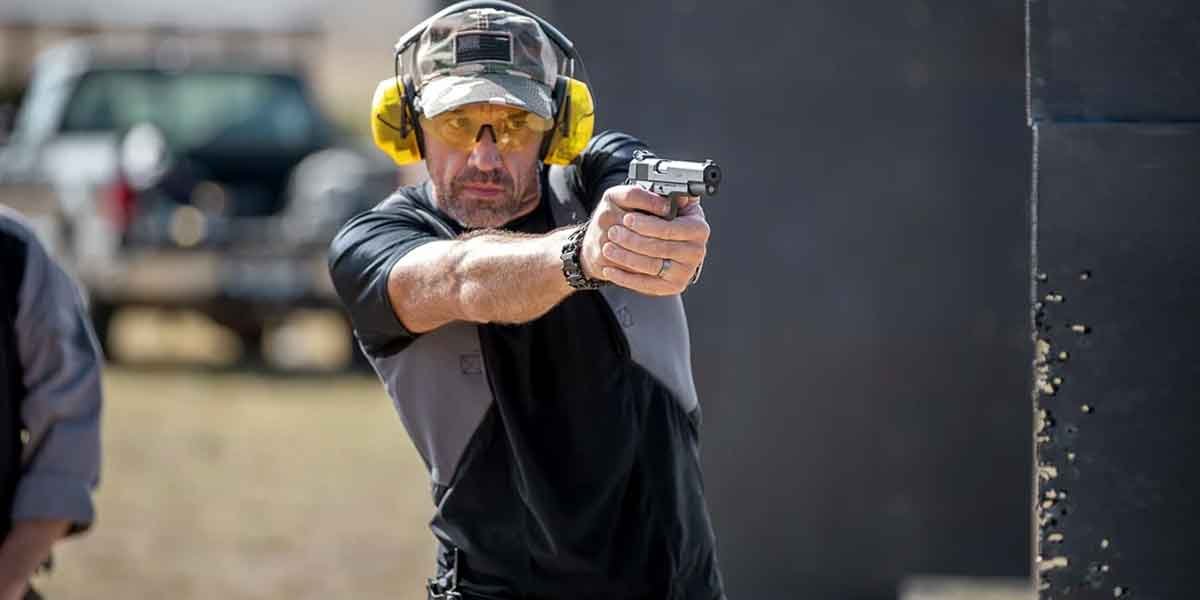
Competitive pistol shooting has a way of exposing what truly works under pressure. A setup that feels fine on a casual range day can start to show cracks when you are sprinting between positions, shooting on the move, and reloading in awkward angles. The best gear choices are not always the flashiest. They are the ones that keep your performance predictable, reduce distractions, and hold up through practice sessions and match weekends.
You also do not need an overly complex build to be competitive. In fact, many shooters improve faster when their equipment is simple, consistent, and easy to maintain. The goal is to choose gear that supports repeatable fundamentals: a clean draw, stable sighting, reliable feeding, and efficient reloads. Once those basics are covered, you can make small upgrades with clear purpose rather than chasing trends.
Build Around Consistency, Not Trends
It is easy to get pulled toward whatever seems popular at the moment, especially when match footage makes certain setups look effortless. A better long-term approach is to pick a reliable platform and keep variables to a minimum. When you stick with one grip shape, one trigger feel, and one recoil impulse, you spend more time building skill and less time adapting to changes.
Upgrades are most useful when they solve a real problem. If a change helps you track sights more clearly, manage recoil more consistently, or reduce malfunctions, it is worth evaluating. If it mainly adds complexity or requires you to re-learn your presentation, it can slow your progress. Match performance usually improves when your setup feels familiar and repeatable, even on days when your timing is not perfect.
Optics And Mounting Choices That Hold Up to Match Use
Red dots are common in many competitive divisions because they can speed up target transitions and provide a clear aiming reference. The optic matters, but the mounting method often determines whether the whole system stays dependable. Adapter plates are designed to match an optic footprint to a slide cut, and plate fit is a meaningful factor in whether an optic holds zero and stays consistent.
If you run a red dot in competition, the optic is only as dependable as the interface underneath it. Adapter plates exist to match an optic’s footprint to your slide cut, and that extra layer is where small fit issues can turn into shifting zero over time. A plate that is properly machined and made from a durable material helps reduce micro-movement under recoil, which is one reason many competitors pay as much attention to the plate as they do to the sight.
This becomes especially relevant when you choose an optic that uses a different footprint than your slide was cut for. For instance, if you are mounting a Vortex footprint optic that needs a DeltaPoint Pro style interface, a vortex adapter plate is the practical piece that bridges that mismatch and keeps the optic seated correctly. From there, the reliability comes down to basics: clean mating surfaces, the right screw length, and consistent torque with a proper tool rather than tightening by feel.
A final note for match use is maintenance rhythm. Any plate system adds screws and interfaces, which means it is smart to check hardware periodically, especially after a new install or a high-round-count weekend.
Holster, Belt, And Magazine Setup for Speed and Safety
Your belt and holster setup is a performance tool. A stable belt keeps your drawstroke consistent and prevents your holster or magazine pouches from shifting as you run stages. Look for a belt that stays rigid enough to support gear without sagging, and set it up so equipment lands in the same place every time you put it on.
Holster fit should be secure but smooth. You want enough retention to keep the pistol stable during movement, but not so much that the draw becomes inconsistent. Magazine pouches should allow clean indexing and predictable insertion without requiring a perfect angle. A good test is to run reloads at half speed. If the magazine catches, rocks, or needs extra force to seat, that friction usually gets worse under match stress.
Also consider your division’s rules and safety expectations. A holster that works for training may not be ideal for match movement, and an overly “universal” pouch setup often becomes the bottleneck when a stage demands unusual positions or rapid reloads.
Magazines, Base Pads, And Reliability Habits
If a match goes sideways, magazines are often the culprit. Springs wear, feed lips get bumped, and small problems show up at the worst time. For competition, it helps to label magazines and track performance. If one magazine causes repeated issues, pull it from match rotation and troubleshoot it at home.
Base pads and extensions can improve reload speed and, depending on division, increase capacity. The key is to treat any change as a reliability change. After installing base pads, test them with full magazines, partial magazines, and real drops onto the ground the way you will during a match. Confirm they still seat easily, feed reliably, and eject cleanly.
Maintenance does not need to be obsessive, but it should be consistent. Clean magazines periodically, replace springs when performance starts to fade, and keep a few spares ready for match weekends. If you already have a simple pre-match routine, adding a quick magazine check can prevent a lot of frustration.
Ammunition And Practice Tools That Support Repeatable Performance
Ammunition consistency supports confidence. Whether you shoot factory ammo or reload, prioritize reliability and repeatable point of impact over chasing maximum velocity. If your ammunition produces large variations in recoil feel or accuracy, it makes it harder to call shots and trust your sight picture.
Dry fire is one of the best “equipment multipliers” available because it builds the draw, the presentation to the dot or sights, and reload mechanics without burning ammunition. A shot timer, scaled targets, and a few structured drills can make practice more intentional, but the habit matters more than the gadget. Consistent reps, measured honestly, tend to deliver bigger gains than constantly changing gear.
Finally, keep a simple pre-match check that takes two minutes. Confirm your optic mount is stable, verify magazines are functional, and do a few draws and reloads in your match gear. Small checks reduce the chance that a preventable issue steals attention during a stage.
Conclusion
Competitive pistol shooting rewards consistency. The most useful equipment choices are the ones that reduce variables and hold up through real use: stable optic mounting, a belt and holster setup that supports a repeatable draw, magazines you trust, and ammunition that runs cleanly. When your gear does its job quietly, you can focus on the things that actually win matches: seeing what you need to see, executing clean fundamentals, and sticking to your stage plan.