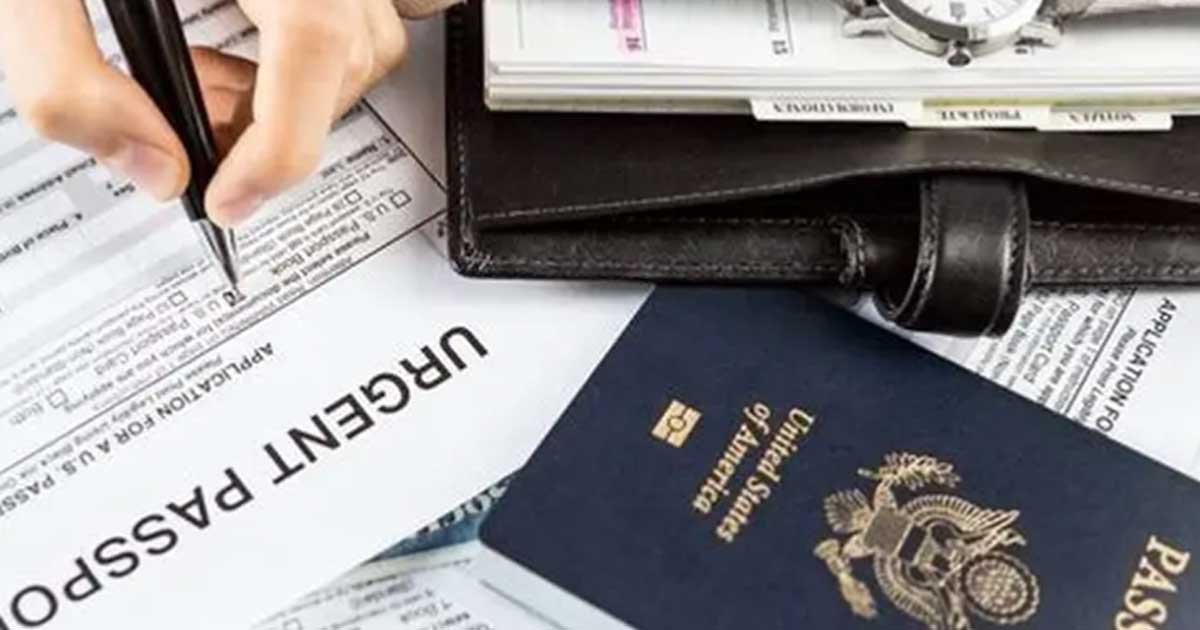
The global landscape of human displacement presents one of the most pressing legal and moral challenges of our time. Every year, millions of individuals are forced to flee their home countries due to escalating conflict, severe persecution, or systemic human rights violations. For these vulnerable populations, securing permanent safety is not just a matter of physical relocation but a highly complex legal journey. Understanding how humanitarian visas and asylum claims operate requires navigating a dense web of international treaties, domestic laws, and procedural requirements. It is a process that demands both resilience from the applicant and precision from their advocates.
The International Foundation of Asylum
At the heart of modern asylum law is a set of universally recognised principles designed to protect those who can no longer rely on their own governments for safety. The global framework for asylum is rooted in the 1951 Refugee Convention, which establishes the foundational definition of a refugee and the core principle of non-refoulement. According to this cornerstone treaty, a refugee is defined as someone who is unable or unwilling to return to their country of origin owing to a well-founded fear of being persecuted for reasons of race, religion, nationality, membership of a particular social group, or political opinion.
This convention ensures that signatory nations cannot legally return individuals to territories where their lives or freedoms would be threatened. It serves as the moral and legal baseline for international human rights, guiding how modern democracies respond to global crises and mass displacement events. By establishing these ground rules, the international community has created a vital safety net for the world’s most vulnerable people.
Translating International Law into Domestic Policy
While international treaties set the baseline, individual nations are responsible for implementing these principles through their own domestic legal systems. This translation from broad international mandates to specific national legislation often results in highly technical and stringent processes. Applicants must carefully map their personal circumstances to the specific criteria outlined in a host country’s immigration laws, which can vary wildly from one jurisdiction to another.
For instance, applicants seeking refuge must demonstrate that they meet specific statutory definitions to qualify for state protection. The process involves submitting comprehensive evidence and undergoing thorough government scrutiny. Individuals applying for a visa protection in Australia pathway must navigate rigorous documentation requirements to prove their claims of persecution. Failing to meet the exact evidentiary standards of domestic tribunals can result in swift application refusals, highlighting the severe consequences of procedural errors in domestic systems.
Common Challenges in Establishing Asylum Claims
Securing humanitarian protection is rarely straightforward. Even when an individual has a genuine and compelling case, the administrative and legal hurdles can be overwhelming. Some of the most significant challenges applicants face include:
- Evidentiary burdens: Applicants must provide concrete proof of their persecution. This is often incredibly difficult for those who had to flee their homes suddenly without gathering official documents or personal records.
- Credibility assessments: Immigration officials conduct intensive interviews to test the consistency and reliability of an applicant’s story. Trauma, memory fragmentation, or cultural differences in communication can sometimes be misinterpreted as deception.
- Language and cultural barriers: Navigating a foreign legal system in a secondary language increases the risk of critical misunderstandings during initial interviews and tribunal hearings.
- Shifting political landscapes: Domestic immigration policies are subject to frequent changes based on the political climate. A legal pathway or humanitarian programme that was viable one year might become highly restricted the next.
These obstacles underscore the reality that merely having a legitimate fear of persecution is rarely enough to guarantee safety. The burden of proof rests entirely on the applicant, who must build a comprehensive and legally sound argument while dealing with the psychological aftermath of displacement.
The Role of Professional Legal Advocacy
Given the high stakes involved in humanitarian applications, professional guidance is not just a procedural advantage. It is a fundamental necessity for ensuring due process. Immigration law is notoriously complex and constantly evolving, making it nearly impossible for unrepresented individuals to navigate successfully on their own.
Dedicated legal advocates understand how to compile compelling evidence, prepare applicants for rigorous cross-examination, and ensure that decision-makers apply the law correctly. In fact, securing expert counsel ensures fair treatment and is critical when navigating legal and humanitarian access for immigrant families seeking representation. Without such representation, genuine refugees risk being denied safety simply because they failed to understand a procedural technicality.
Furthermore, legal professionals act as a crucial buffer between traumatised applicants and the often intimidating machinery of state bureaucracy. They provide not only strategic advice but also a sense of stability and reassurance during a highly uncertain time.
Moving Towards a More Equitable System
Ultimately, the legal framework surrounding humanitarian visas serves a vital purpose in protecting human life and dignity. However, the gap between international ideals and domestic bureaucratic realities remains significant. Bridging this gap requires both a comprehensive understanding of the law and access to skilled legal professionals who can champion the rights of those seeking refuge.
As global displacement continues to rise, it is imperative that domestic legal systems evolve to become more accessible and transparent. Ensuring that asylum seekers have fair and unimpeded access to legal representation is a critical step in upholding the international commitments made decades ago. Only through sustained advocacy and legal diligence can we ensure that humanitarian pathways remain a beacon of hope for those who need them most.