Australians know firsthand just how brutal the summer sun can be. Whether you are commuting to work, running daily errands around town, or heading out on a long weekend drive, the heat inside a vehicle can quickly become uncomfortable. However, temperature is only one part of the problem. Ultraviolet radiation poses a significant, often invisible threat to both the longevity of your vehicle’s cabin and the well-being of anyone travelling inside. Taking proactive steps to block out these harsh rays will keep your upholstery looking new while ensuring everyone stays comfortable and safe on the road
Understanding the Hidden Risks of UV Exposure in Vehicles
Many drivers assume that being inside a closed vehicle provides complete protection from the sun. While it is true that modern laminated windscreens are highly effective at blocking ultraviolet rays, the same cannot be said for the rest of the automotive glass. In fact, research from health experts highlights a concerning gap in passenger protection. Their data shows that standard plain and tempered side and rear windows provide surprisingly low protection, as the Australian Radiation Protection and Nuclear Safety Agency (ARPANSA) notes regarding UV exposure risks and transmission through different types of automotive glass.
This prolonged exposure can lead to rapid fading, severe cracking, and peeling of expensive leather or vinyl seats. More importantly, it leaves backseat passengers highly vulnerable to cumulative skin damage during long trips. Because UVA rays penetrate deeply into the skin without necessarily causing an immediate sunburn, the cellular damage can easily go unnoticed until it is too late. Children and infants, whose skin is particularly sensitive, are at an even greater risk when sitting by unprotected side windows for extended periods.
Practical Upgrades for Cabin Comfort and Protection
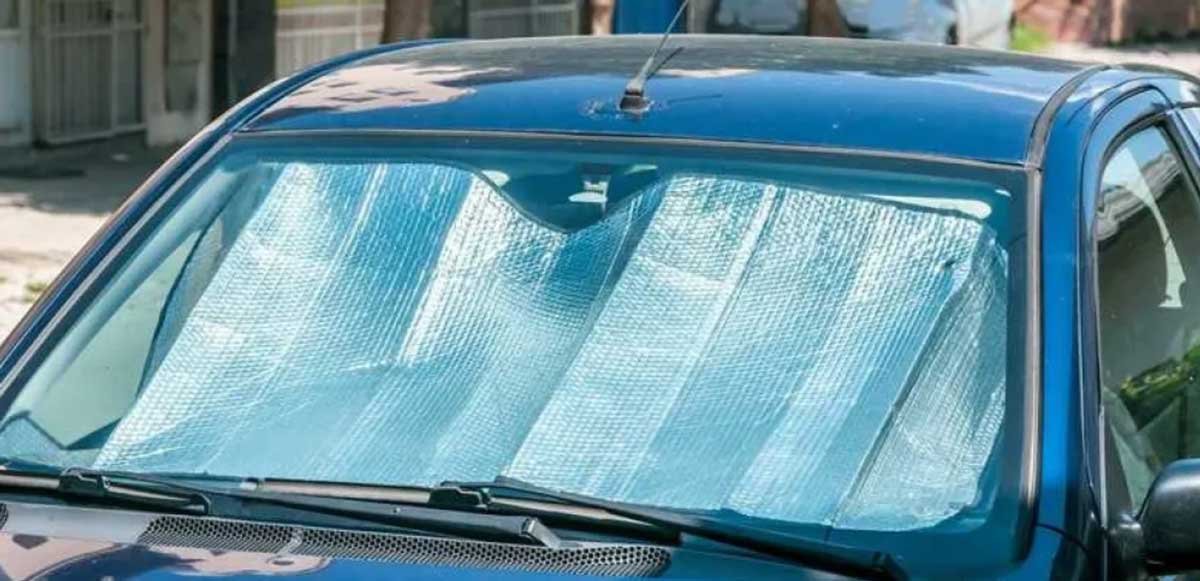
Addressing this vulnerability does not have to involve expensive factory upgrades or permanent, dark window tinting modifications to your vehicle. One of the most effective methods for instantly reducing glare and blocking UV rays is installing high-quality car sun shades that are custom-fitted to your specific make and model.
Unlike generic suction-cup alternatives that often fall off in the heat or leave large gaps around the window edges, magnetic, custom-fit options provide complete window coverage. They create a reliable, breathable barrier that significantly lowers the ambient cabin temperature and stops harmful radiation from reaching the back seat. This simple addition makes a dramatic difference in overall comfort, particularly on bright summer days when the harsh glare can be overwhelming for young children or pets riding in the back. Furthermore, because these screens are removable, you maintain full control over your visibility and cabin lighting during night driving.
Creating a Sun-Safe Environment for Family Travel
When planning for long holiday drives along the coast or through the Outback, passenger comfort becomes a top priority. Families often spend considerable time researching and investing in vehicles that offer maximum room, practical storage solutions, and premium safety features. If you have already taken the time to choose one of the best interior cars for families, optimising that spacious cabin with reliable UV protection is the next logical step.
A roomy interior is only truly enjoyable if the climate is well-regulated and passengers are shielded from blinding sunlight. By combining a well-designed family vehicle with targeted sun protection strategies, you can transform stressful, hot car rides into genuinely pleasant journeys. This ensures that children can sleep peacefully in the back without waking up overheated, sunburnt, or irritable. It also takes the strain off your vehicle’s air conditioning system, potentially improving fuel efficiency on long stretches of highway.
Key Strategies to Minimise Sun Damage
Beyond physical barriers on your windows, there are several everyday habits that can further protect your vehicle and its occupants from the harsh Australian climate. Implementing a few thoughtful routines will extend the lifespan of your interior and keep your family secure.
- Park strategically: Whenever possible, seek out covered parking in garages or position your vehicle so that the rear faces the sun. Using a thick, reflective windscreen visor when parked will also drastically reduce the amount of heat trapped inside the cabin.
- Maintain your upholstery: Apply a high-quality UV-protectant conditioner to leather and vinyl surfaces every few months. This routine maintenance replenishes essential oils and creates a protective seal against fading and cracking over time.
- Dress for the drive: On particularly long road trips, ensure that passengers wear comfortable, loose-fitting, and long-sleeved clothing. Applying a broad-spectrum sunscreen to exposed skin before getting into the car provides a crucial secondary layer of defence against any UV rays that manage to make it through the glass.
- Ventilate before driving: Roll down all the windows for a minute or two before turning on the air conditioning. Pushing the trapped, stagnant hot air out of the cabin allows your climate control system to work much more efficiently and cool the space down faster.
Protecting your vehicle from UV damage is an investment in both its long-term resale value and your family’s health. By understanding exactly how sunlight penetrates your car and implementing a few smart, non-permanent upgrades, you can confidently navigate the roads all summer long. A cool, well-protected cabin ensures that every journey is as enjoyable and safe as the destination itself.