Residents and managers must follow specific regulations to maintain a safe and functional environment. Tenants are responsible for understanding these requirements to ensure the property remains clean plus to prevent the housing provider from incurring costs because of incorrect disposal. Property managers provide these guidelines to individuals during the rental application process. Clear organization is beneficial because it allows all occupants to live more comfortably. Knowledge of the procedures is essential for the effective maintenance of the facility.
Waste Sorting Systems
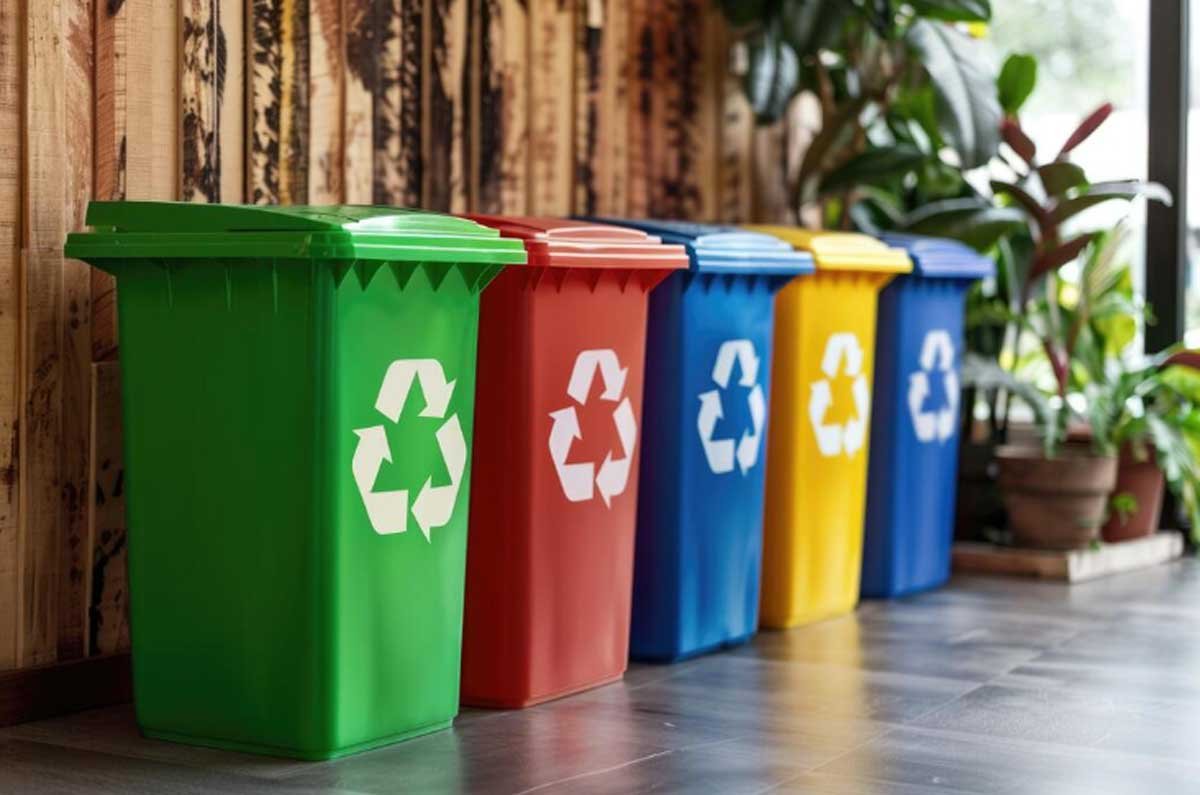
Organizing a waste sorting system within an apartment building can help recycle valuable resources while reducing the costs associated with garbage disposal. In order to sort waste, bins with appropriate labels must be available for every resident. If a bin’s content does not match its label, it can lead to significant expenses for the building management. On the other hand, having signs that identify the content of each bin makes waste disposal easier for the tenants.
In addition to having bins with appropriate labels, it is important that they are easily accessible in order to ensure that the rules of waste management are followed. If possible, trash cans should be located a short distance away from every apartment. In addition, having bins that can hold large volumes of waste will reduce the frequency of their emptying. On the other hand, if they are located too far away, or if their size is too small, the residents may get frustrated, thus becoming less likely to sort their waste according to the rules.
Collection Schedules and Building Rules
It is also important to set up a regular schedule for garbage collection. For example, if an apartment complex has multiple buildings, trash and recycling should be picked up from each one on a regular schedule. This ensures that there is enough space for garbage storage within the building. It also minimizes the time that food waste, as well as other organic waste, spends in garbage bins. This, in turn, reduces the risk of foul smell emanating from them, thus keeping the building clean and safe.
In addition, it is necessary for property managers to establish the rules for proper waste disposal. They should decide if bags should be tied, or if any specific items should or should not be placed in a particular bin. In addition, they should remind residents of these rules and punish those who fail to follow them. It is also important that all of the building’s management staff are on the same page when it comes to enforcing these rules, in order to ensure proper discipline among the tenants. This is especially important in highly competitive housing markets, such as, for example, the situation with rent in Calgary.
Resident Participation and Education
It is also crucial to educate residents about the rules of waste management within the apartment building, as their active participation is required in order to maintain a clean and safe environment. If possible, they should be informed about the rules when they become tenants, as it will take them less time to adjust to the new conditions. Some apartment buildings have informational booklets about waste management that can be found in every apartment, which ensures that all of the residents under rental application know about them. In addition, if everyone is aware of the rules and their consequences, they will be much more likely to avoid any problems in the future. Moreover, if the residents know that recycling and garbage disposal help the environment, as well as the apartment building itself, they will be much more motivated to participate in waste management practices.
Conclusion
Successful waste and recycling processes in apartment buildings are more than the presence of bins plus collection services. Property managers and residents are responsible for constant coordination to keep systems organized but also simple. Residents are more likely to participate in these programs when managers provide clear expectations and the building design is functional – these actions are helpful because they lower the presence of incorrect materials in recycling, limit extra expenses as well as ensure the shared areas are tidy.