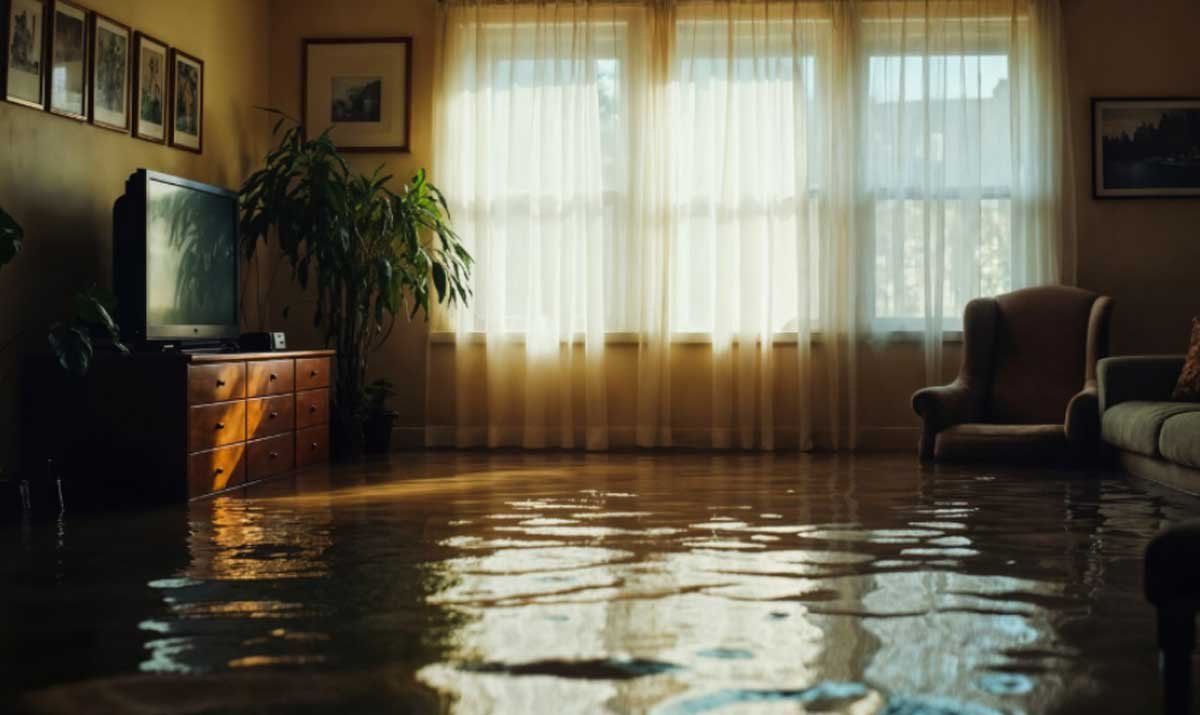
Water does not wait for you to feel ready. A burst pipe, a wild storm, or a slow leakage found too late can turn a calm home into a soaked, stressed mess in a short time. How bad this damage gets depends on what you do in the first few hours. Here are some emergency water removal tips to help you out. Move through these steps in firm, quick order to deal with a scary flood.
1.Stop the Source
Before you touch a mop or a pump, find the root cause and shut it down. If a pipe has burst, run to your main valve and turn it off. If the flow is due to a heavy storm, you cannot stop the rain, but you can block the gaps by putting sandbags at a door, a plug in a floor drain, or a tarp on a roof leak. Keep in mind that these emergency water removal tips will only work well once the flow has stopped. If you are unable to stop the source, you’ll face more damage and more costly losses.
2.Remove Standing Water
Once the source is dry, turn to the standing water on the floor. A vacuum, a mop, or a pump can pull most of it out fast, but do not stop when the space is mostly dry. The humidity can lead to many more problems. So, you must get the water out with a firm plan.
In case you deal with water damage often, it may be worth a real solution, not just a quick fix. You should look for sustainable plumbing to ensure safety. Moreover, install new pipes and a smart shut-off valve to save yourself from this same fight during the next storm season.
3.Ensure Safety
When there is water damage, you need to take some immediate steps. But do not rush blindly. Flood water can hide many risks that do not show up until it is too late. That’s why safety must be your first priority. Otherwise, things will get worse, and you have to deal with many more problems.
First, you must turn off the main power source, but only if you can reach it with dry, safe feet. Never step into a flooded room to do this. Moreover, you must wear boots, gloves, and a mask because the water may hold more risks than it shows.
4.Protect Your Furniture
Wood, cloth, and stuffed goods soak up water fast and get damaged. So you need to take some essential steps to protect your furniture. Move it to a dry place as soon as possible. Moreover, here are some other valuable tips to protect your furniture from water.
- Place aluminum foil squares under the legs of wooden furniture to protect them from wet floors.
- Pull out drawers to help wood dry from all sides.
- Place wet rugs in direct sunlight to dry.
- Discard items that cannot be thoroughly cleaned and dried to prevent mold growth.
5.Ensure Proper Airflow
Trapped, damp air lets mold set in fast. Therefore, you should open each door and window you can, and turn on all the fans to push air through the whole room. This is where a dehumidifier can also help and do the real work. So you should turn on both the fans and dehumidifier round the clock for the first few days after water damage, since that early push does more than a slow, weak effort spread out over weeks.
6.Prevent Mold Growth
Mold does not wait long. As the CEO of Dual Restoration says, “Addressing hidden moisture early can prevent costly repairs and protect the safety of building occupants.”
You must wipe down each hard surface with a mold-safe cleaning solution. Moreover, look out for the signs of mold on carpet and drywall. They retain moisture for the longest time, leading to more problems.
7.Sanitize All Surfaces
Once you have dried everything after the water damage, do not skip the cleaning process. Flood water can carry germs, mud, and waste. Even if the water looked clear at first, it can still contain a lot of pathogens. As the American Cleaning Institute notes, this is why proper clean-up “requires disinfecting, not just cleaning.”
You must wash each hard surface with hot water first, and then use an EPA-listed cleaning solution. Also, check soft goods that are soaked with flood water and cannot be washed in hot water. No washing method can now make them fully safe, so it is wise to discard them.