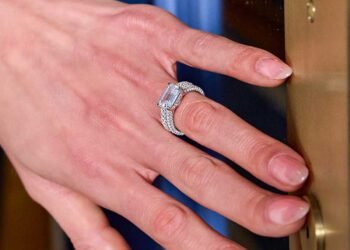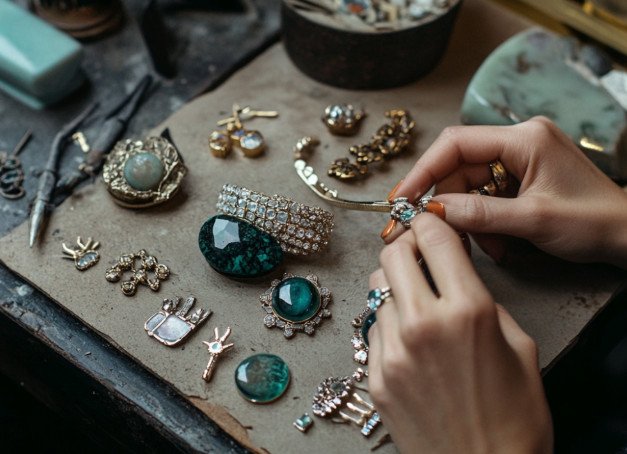
Jewelry is moving beyond traditional trends because consumers are redefining what jewelry is for. It is becoming an everyday form of self-expression, a personal reflection of identity, a self-purchased reward, and a product judged through sustainability and sourcing concerns. Traditional symbolism has not disappeared. It now exists alongside individuality, ethical awareness, gender-inclusive styling, and demand for pieces that fit modern life.
Jewelry Is Becoming a Form of Self-Expression
For decades, jewelry purchases were closely linked to milestones such as weddings, anniversaries, birthdays, and other major celebrations. That pattern is changing.
BoF-McKinsey State of Fashion 2026 report found that 71% of consumers say jewelry is how they express their personality. The same research found that 75% prefer jewelry designs that are creative or unique. Another 75% say they enjoy treating themselves to jewelry.
That transition gives shoppers more freedom to buy pieces simply because they like them.
→ A sculptural ring can become part of an everyday outfit.
→ Layered necklaces can reflect different moods or interests.
→ A charm bracelet can collect personal memories over time.
→ An unusual pair of earrings can say more about personal taste than a traditional jewelry set.
This helps explain why contemporary jewelry can look very different from classic fine jewelry.
According to the JD Institute of Fashion Technology:
“Designers are combining metals, gemstones, enamel, and unconventional materials to create standout pieces.”
These trends show that jewelry is becoming a key form of personal expression. Consumers want designs that stand out and reflect their personality.
Personalization Is Changing What Jewelry Means
Personalization gives this transition another layer. A piece can carry a name, date, birthstone, symbol, charm, or design detail that connects it to one person.
McKinsey found that 58% of higher-income consumers and 43% of lower-income consumers surveyed were willing to pay more for personalized products.
For jewelry, that demand can translate into:
- Customizable rings and bracelets
- Engraved pendants
- Birthstone jewelry
- Modular charms
- Interchangeable components
- Pieces built around an individual’s identity
U.S. consumer research points in the same direction. A 2024 survey of 1,010 adults found that 51% of Gen Z and 46% of Millennials were more likely to buy or give a personalized gift than during the previous holiday season.
Online jewelry stores such as Minx Accents reflect this shift through personalized jewelry that gives shoppers room to select details that hold individual meaning.
Sustainability Is Becoming Part of the Purchase
Shoppers are paying closer attention to what jewelry is made from and where those materials come from. Ethical sourcing, recycled metals, lab-grown diamonds, and more transparent production are key developments shaping the jewelry industry.
This changes the buying conversation. A shopper may now ask:
Where did the materials come from?
How was the piece produced?
Can I wear it for years?
Does the design reflect my values?
Sustainability is no longer separate from design. It can influence material selection, production methods, packaging, and the story behind a piece.
Traditional and Contemporary Jewelry Can Coexist
The move beyond traditional trends doesn’t mean classic jewelry has lost its place. Instead, shoppers have more ways to choose jewelry based on personal meaning, style, price, and occasion.
Contemporary jewelry expands that choice through unconventional materials, mixed finishes, asymmetrical designs, and wearable forms. For example, instead of opting for a traditional wristwatch, people can now wear a Classic Digital Quartz Finger Ring Watch.
This category is built around new materials, original design choices, and a different approach to value. Brand president Keicia Caffie said, “Customers today really value genuine, real connections.” That connection can come from a traditional diamond ring, a personalized pendant, a bold cocktail ring, or a simple piece chosen as a personal reward.
Where Jewelry Goes Next
Jewelry is moving beyond fixed rules about who wears it, why they buy it, and when they should wear it. Personal identity, customization, sustainability, inclusive styling, and everyday wear are giving shoppers more reasons to build a collection.
The result is a jewelry market where tradition remains relevant, but it no longer sets every rule. For consumers, that means more freedom to choose pieces that reflect who they are, what they value, and how they want to express themselves.