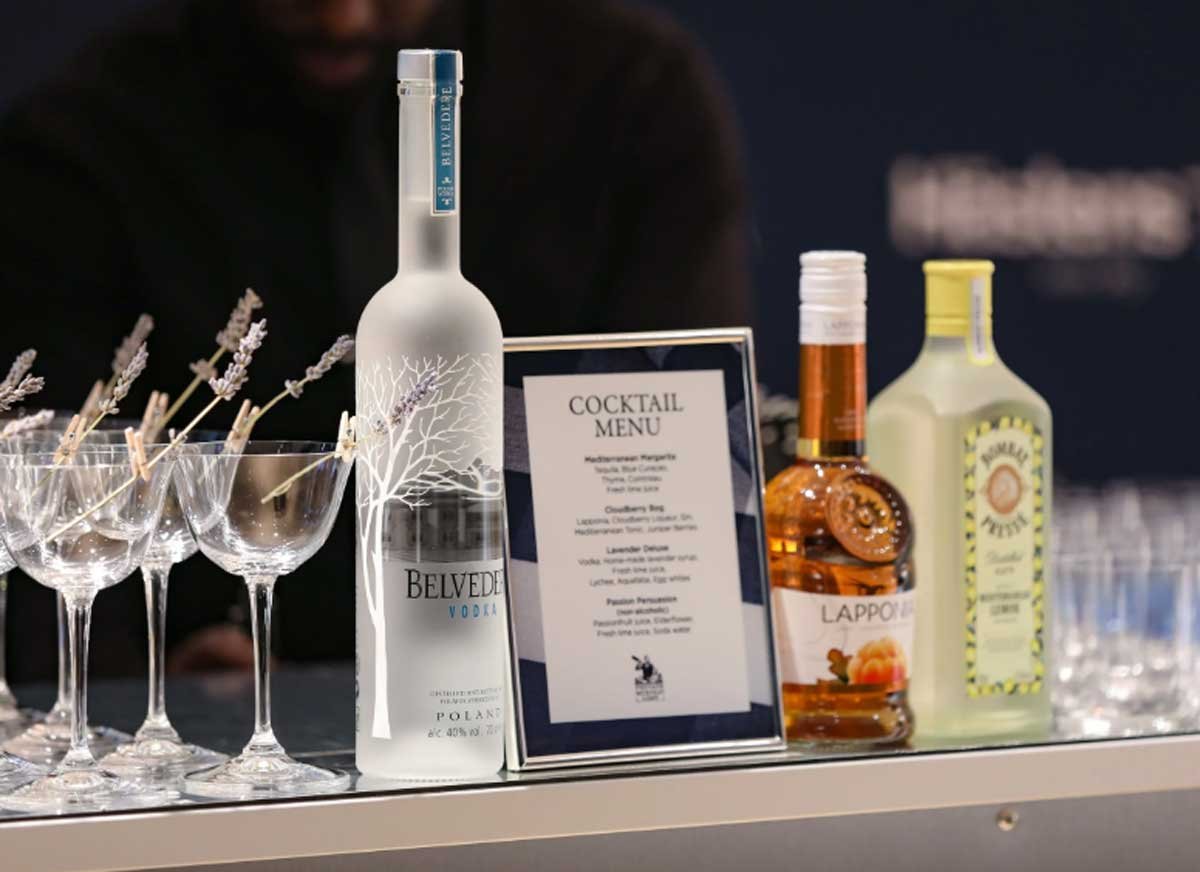
Every few weeks, it seems, a new gin or vodka appears on bottle shop shelves. Some are created by experienced distillers. Others come from bartenders, hospitality groups, entrepreneurs, sports stars or friends who simply had a great idea over a few drinks. Launching your own spirits brand has become far more achievable than it used to be, and the Australian craft spirits scene is full of success stories.
You don’t necessarily need to build a distillery to get started. Many new brands begin by working with established producers who supply quality base spirit or handle production on their behalf. Partnering with an Australian bulk spirits supplier can give founders access to consistent, high-quality spirit while they focus on recipe development, branding and getting their product to market.
Start with a clear concept
The spirits market is crowded, so your brand needs a clear reason to exist. What makes your gin or vodka different? It might be a unique flavour profile, native Australian botanicals, a connection to a particular place, a sustainability focus or a strong story behind the brand.
Think about your target audience. Are you creating a premium spirit for cocktail bars, an approachable everyday option or a gift-worthy bottle for special occasions? Your concept will shape everything from recipe and packaging to pricing and marketing.
Research the competition carefully. Look at what’s already available, how it’s priced and how it’s positioned. Finding a gap in the market can give your brand a stronger start.
Develop the liquid
The product itself still matters most. Great branding might sell the first bottle, but taste is what brings customers back.
For gin, recipe development involves selecting and balancing botanicals. Juniper must be the dominant flavour, but there’s enormous scope for creativity with citrus, spices, herbs, flowers and native ingredients such as lemon myrtle, finger lime, pepperberry or wattleseed.
Vodka is often defined by its smoothness, purity and mouthfeel. The base ingredient, water source, filtration and production methods all influence the final character.
Working with experienced distillers or producers can help refine recipes and ensure consistency from batch to batch.
Choose a production model
There are several ways to bring a spirit to market. Some founders build their own distillery, which offers full control but requires significant investment, licences, equipment and expertise.
Others use contract distilling, where an existing distillery produces the spirit to their recipe. Another option is sourcing bulk spirit from a supplier and finishing, flavouring or bottling it under their own brand.
Each model has advantages and trade-offs in terms of cost, control, speed to market and scalability. Many brands start with contract production or bulk spirit and move to their own facility once demand grows.
Understand licensing, excise and compliance
Alcohol is a heavily regulated industry. In Australia, businesses involved in producing or selling spirits must meet excise obligations administered by the Australian Taxation Office. Excise is a significant cost and needs to be factored into pricing.
Liquor licensing requirements vary between states and territories and depend on how and where you plan to sell. Labelling must comply with food standards and alcohol-specific requirements, including alcohol content, standard drinks information and allergen declarations where relevant.
Seek professional advice early to make sure you understand your obligations and avoid costly mistakes.
Build a brand people remember
Packaging plays a huge role in the spirits industry. The bottle, label and closure often influence purchasing decisions, especially for customers browsing shelves or buying gifts. Invest in design that reflects your brand story and stands out.
Marketing should focus on telling your story authentically. Social media, tastings, events, collaborations with bartenders and partnerships with restaurants and bars can help build awareness. Getting your spirit into well-regarded venues can create credibility and word-of-mouth momentum.
Plan for distribution and growth
Decide how you’ll reach customers. Options include direct-to-consumer online sales, cellar door sales, independent bottle shops, distributors and hospitality venues. Each channel has different margins, requirements and logistics.
Start with a manageable plan and grow steadily. Many successful brands begin locally, build a loyal following and expand into new markets over time.
Launching a gin or vodka brand takes creativity, persistence and careful planning, but it’s more achievable than many people think. With a strong concept, quality spirit, sound compliance and compelling branding, your idea could become the next bottle people reach for.