Homes, like people, have lifespans. With proper care and maintenance, they remain healthy and comfortable for generations. One crucial part of a home that often goes unnoticed until it fails is the plumbing system. Pipes buried behind walls and beneath floors quietly deliver water throughout the house every day. Over time, these pipes wear down, corrode, or become inefficient, leading homeowners to a point where simple repairs are no longer enough. That is when residential repiping becomes a smart and lasting solution.
This article explains what repiping is, why aging homes often need it, and how it benefits homeowners both now and in the long term.
What Is Residential Repiping?
Repiping is the process of removing old, deteriorating water pipes and replacing them with new, modern piping materials. The job can involve replacing the main water service line, all interior pipes, or just sections that are problematic. The goal is to restore the full plumbing system to reliable performance.
Why Aging Homes Often Need Repiping
Homes built several decades ago often used pipe materials that were standard for their time but do not hold up well over many years of service. Common problems with older plumbing include:
- Corrosion and Rust
Metal pipes like galvanized steel naturally corrode over time. As rust builds up inside the pipe walls, the interior diameter shrinks and reduces water pressure. Corroded pipes are also more likely to leak or break.
- Mineral Buildup
Hard water minerals like calcium and magnesium can accumulate inside pipes, restricting water flow and affecting appliance performance.
- Weaknesses in Pipe Joints
Older plumbing systems were often joined with materials and techniques that do not meet modern standards. These joints may loosen over time, leading to microscopic leaks that eventually become larger issues.
These conditions make older plumbing systems less efficient, more prone to leaks, and more likely to require frequent repairs.
Signs Your Home May Need Repiping
Aging homes may give homeowners subtle clues before major failures occur. Some common indicators include:
- Low water pressure that persists despite other fixes.
- Discolored water with a brown, reddish, or rusty hue.
- Frequent leaks in different areas of the home.
- Strange odors coming from faucets.
- Aged or outdated pipe materials identified during plumbing inspections.
If your home is more than 30 years old and still has its original plumbing, repiping should be part of your long-term maintenance conversation.
What Happens During a Repiping Project
Repiping is a significant project, but when handled by experienced professionals, it is methodical and predictable. Here’s what homeowners can typically expect:
- Inspection and Planning
A licensed plumber assesses the current plumbing system, identifying pipe materials, areas of concern, and the scope of work required. They create a repiping plan that fits your home’s layout and budget.
- Water Shutoff and Preparation
At the start of the project, the water supply is temporarily turned off. Plumbers take steps to protect your home’s interior during work.
- Removing and Replacing Pipes
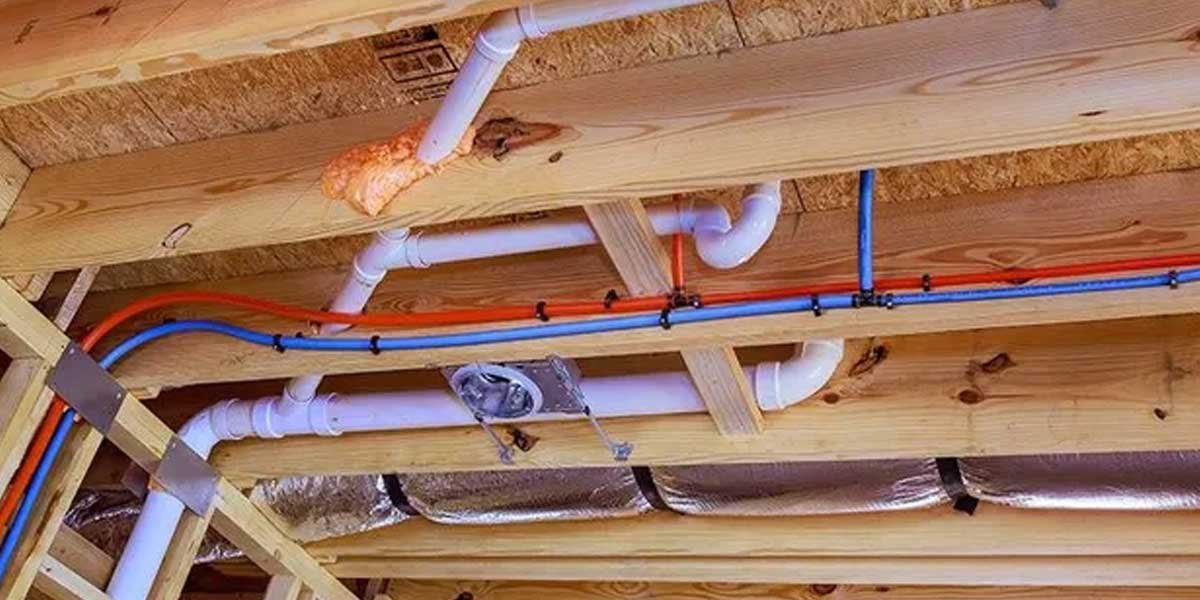
Outdated pipes are carefully removed. New piping is installed, usually using modern materials like PEX or copper, which are more durable and resistant to corrosion.
- Testing and Final Checks
Once the new pipes are in place, the system is pressure tested, and all connections are verified. Water is restored, and plumbers check for leaks, proper flow, and performance.
Benefits of Repiping
Investing in repiping can transform your home’s plumbing performance and offer long-term advantages:
- Reliable Water Flow
New pipes remove the blockages and corrosion that slow water movement, restoring strong and consistent pressure.
- Fewer Repairs
An aging system that leaks frequently becomes a cycle of patchwork fixes. Repiping ends that cycle and reduces the need for ongoing repair costs.
- Improved Water Quality
New plumbing means cleaner water with less rust and sediment, making it safer and more pleasant for daily use.
- Increased Home Value
A recently repiped home can be more attractive to buyers because it removes a major concern that often affects older houses.
Choosing the Right Professionals
Residential repiping is not a DIY project. Expert skill, knowledge of building codes, and careful installation are essential for lasting results. Trusted repiping services ensure that the work is done the right way, with high quality materials and attention to detail.
In Summary
Residential repiping gives aging homes a fresh start by replacing outdated plumbing with modern, reliable infrastructure. It improves performance, protects water quality, and eliminates recurring issues caused by worn pipes. While the project requires planning and professional execution, the long-term peace of mind and functional upgrades make it a wise investment for homeowners preparing for the future.
Understanding when and why repiping is needed helps homeowners make proactive choices that protect both their comfort and the value of their property. With professional support, a plumbing system that may have outlived its usefulness can become a dependable foundation for years to come.