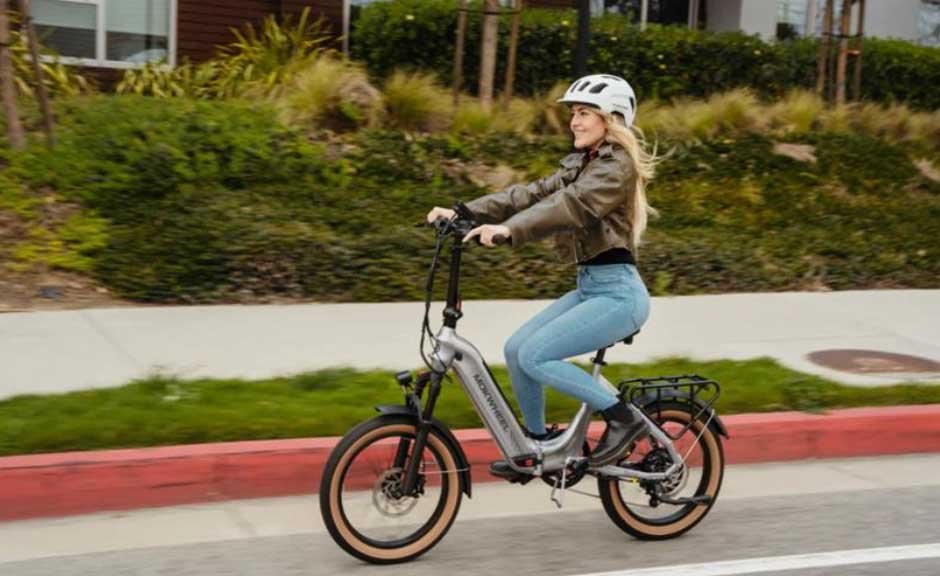
As city transportation systems rapidly evolve, more and more urban residents face the same question: How can we find a more flexible and efficient way to travel amid congestion and rising commuting costs? In recent years, a new type of transportation—folding Electric bikes—has quickly become a favorite among city commuters. Their growing popularity is not only the result of technological progress, but also a reflection of shifting urban lifestyles.
Commuting Challenges Demand More Flexible Transportation
City dwellers are all too familiar with daily commuting frustrations: packed buses, unpredictable subway delays, rising parking fees, and persistent traffic jams. Traditional transportation methods can no longer balance efficiency and convenience. This is where folding Electric bikes stand out—offering a highly targeted solution to the notorious “last mile” gap in urban mobility.
They combine the freedom of traditional bicycles with the reduced physical effort of electric assist. Long-distance commuting becomes easier, and the folding mechanism adds mobility that enables seamless integration with public transportation.
How Does a Folding Design Make Urban Travel More Flexible?
The folding feature is the most defining advantage of this type of Electric bike. Unlike regular bicycles that take up large amounts of space and are hard to store, a folding Electric bike can be collapsed in seconds, shrinking to a size that fits in a suitcase, under a desk, or in a corner of a small apartment.
For city residents—especially those living in small apartments or working in tight office environments—this compact footprint is invaluable. It also allows riders to bring their bike onto subways, buses, or even long-distance trains, making true multi-modal commuting possible.
MOKWHEEL Folding Electric Bike: A Smart Choice Combining Technology and Portability
Among the many folding Electric bike brands, MOKWHEEL has gained significant attention in recent years. What sets the brand apart is its balance between portability and performance.
Its folding series features a fast, single-handed folding mechanism and is equipped with high-efficiency motors and long-range batteries. Riders enjoy the convenience of a lightweight frame without compromising on power or stability.
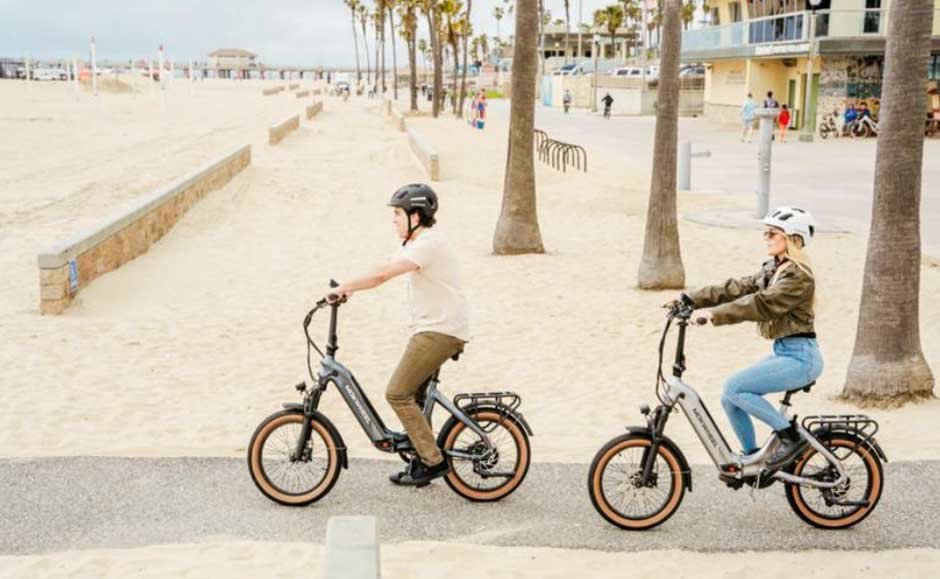
Many users choose MOKWHEEL because the bikes work well for daily commuting, weekend city rides, or short sightseeing trips. The compact folded size also makes it easy to bring into the office, carry onto the subway, or place in a car trunk.
For commuters seeking both quality and portability, MOKWHEEL is definitely a brand worth noting in the folding Electric bike market.
How Does Electric Assist Improve Commuting Efficiency and Make Riding Easier?
In urban commuting, the electric assist system is a critical factor that directly influences riding comfort. It automatically provides power support while riding, helping users handle hills, headwinds, and longer distances without excessive effort.
Electric assist not only increases riding speed but also reduces fatigue, allowing commuters to maintain a steady and relaxed pace. For those with long commutes, lower physical fitness, or cross-district travel needs, the benefits of electric assist are especially significant.
Environmental and Economic Benefits: Driving Sustainable Urban Mobility
As environmental awareness grows and car-related expenses rise, folding Electric bikes have become increasingly relevant. Compared to fuel-powered vehicles, they produce virtually zero emissions, and electricity costs are extremely low—just a small amount can power dozens of miles.
There are no fuel expenses, parking fees, or road tolls, and maintenance is minimal. While cars can cost thousands annually in maintenance, a folding Electric bike requires only a fraction of that. Some cities even offer purchase subsidies, making them even more cost-effective.
Multi-Scenario Use: Not Just for Commuting, but a Lifestyle Upgrade
Folding Electric bikes aren’t limited to daily commuting. They’re great for weekend outings, short leisure rides, grocery shopping, or exploring the city. Thanks to their portability, riders can place them in the trunk during road trips and explore destinations by bike once they arrive.
Whether for students, office workers, or outdoor enthusiasts, folding Electric bikes support multiple lifestyles—combining practicality with improved quality of life.
Why Are Folding Electric Bikes Becoming a New Trend?
Their popularity is driven by a combination of strong advantages:
- High efficiency: Faster, easier commuting with electric assist
- Versatility: Suitable for both commuting and leisure
- Space-saving: Ideal for compact city living
- Low cost: Significantly cheaper to use than cars
- Eco-friendly: Supports future green transportation goals
Folding Electric bikes are becoming the first choice for urban residents seeking efficient, flexible, and sustainable travel—and they represent a lighter, freer approach to modern urban living.
Frequently Asked Questions
Are folding Electric bikes suitable for daily commuting?
Yes. They are designed for city commuting—compact, powerful, and easy to maneuver in traffic. They work especially well for 3–12 mile (5–20 km) commutes.
Are they heavy after folding? Can women carry them?
Most folding Electric bikes weigh between 40–60 lbs (18–28 kg). Many women can lift them onto stairs or into car trunks. Those wanting a lighter option can choose aluminum frames or smaller batteries.
How long is the typical electric-assist range?
Most models offer 30–45 miles (50–70 km) per charge depending on battery size. Commuters riding 6–9 miles (10–15 km) per day usually only need to charge once or twice a week.
Is the folding mechanism durable? Will it loosen over time?
Reputable brands use secure locks and multi-point reinforcement. As long as users check the latch occasionally, it will not loosen. Brands like MOKWHEEL also include anti-accidental-open designs for extra safety.
Can folding Electric bikes be brought onto subways or buses?
Most cities allow folded Electric bikes to be brought onboard as carry-on items as long as they’re powered off and within size limits.
Can the battery be removed? Is charging convenient?
Yes. Most models use removable batteries, allowing riders to bring the battery indoors for easy charging at home or at work.
Are they hard to maintain? Do they require frequent servicing?
Maintenance is simple—much easier than cars or motorcycles. You only need to:
- Check tire pressure
- Lubricate the chain
- Ensure the folding latch is secure
- Perform a deep battery charge every 2–3 months
Most users can handle this on their own.