With high-quality products and tools, such as an ionised straightening brush, available on the market, you would think that hair care is simple and easy. But you might be guilty of bad habits that are hurting your hair. But because your hair smells good and feels smooth, you may think everything is okay. But is it?
Overwashing or Underwashing
Does it make you feel fresh and good when you wash your hair? Doing it too often or rarely, however, may have a negative effect.
- Frequently washing your hair and scrubbing your scalp can lead to irritation. When this happens, your scalp will protect itself by producing excess sebum. This will lead to greasy hair, which will prompt you to wash again.
- If your hair rarely gets greasy or it feels clean for days at a time, you don’t need to wash daily.
- If your hair gets greasy quickly because you have an extremely oily hair type, not washing daily is bad news. It’s the best way to get rid of excess oil and keep your scalp feeling comfortable.
- Suffering from dandruff or an itchy scalp? Regular washing with medicated shampoo can definitely help.
How often you wash your hair will depend on specific circumstances. Identify your hair’s condition and wash accordingly.
Using the Wrong Shampoo
Just like any beauty and skin care products, there are items designed for specific hair types. Make sure you’re using the correct shampoo.
- Avoid hydrating and moisturising shampoo if you have an oily scalp. Use strengthening and volumising products instead.
- Use a moisturising shampoo if you have a dry scalp, and avoid anything labelled volumising and strengthening.
- If your scalp is only slightly dry, use a shampoo that promotes hydration and moisture.
- Identify whether you have fine, thick, straight, wavy, curly, or coloured hair and use the correct shampoo.
Hair Care Routine Is All Over the Place
You may be using treatments to help regain healthier hair. But unless you follow the recommended application and schedule, you may not receive optimum results.
- Consistency and regularity are key in enhancing and maintaining your hair quality and health.
- Make sure to include using a hair mask once every three months in your routine. This can help reverse damage to your strands.
- Choose products suitable for your specific hair type and identify products you can combine or use at the same time. You may need a cleanser, balm, and oil.
Not Handling Wet Hair with Care
- Wet hair is brittle and gets easily damaged when brushed or combed. Wait until after you’ve gently towel-dried your hair or until it’s mostly dry.
- Don’t use hair ties with wet hair or pull it back into a tight ponytail or bun, as this can result in breakage.
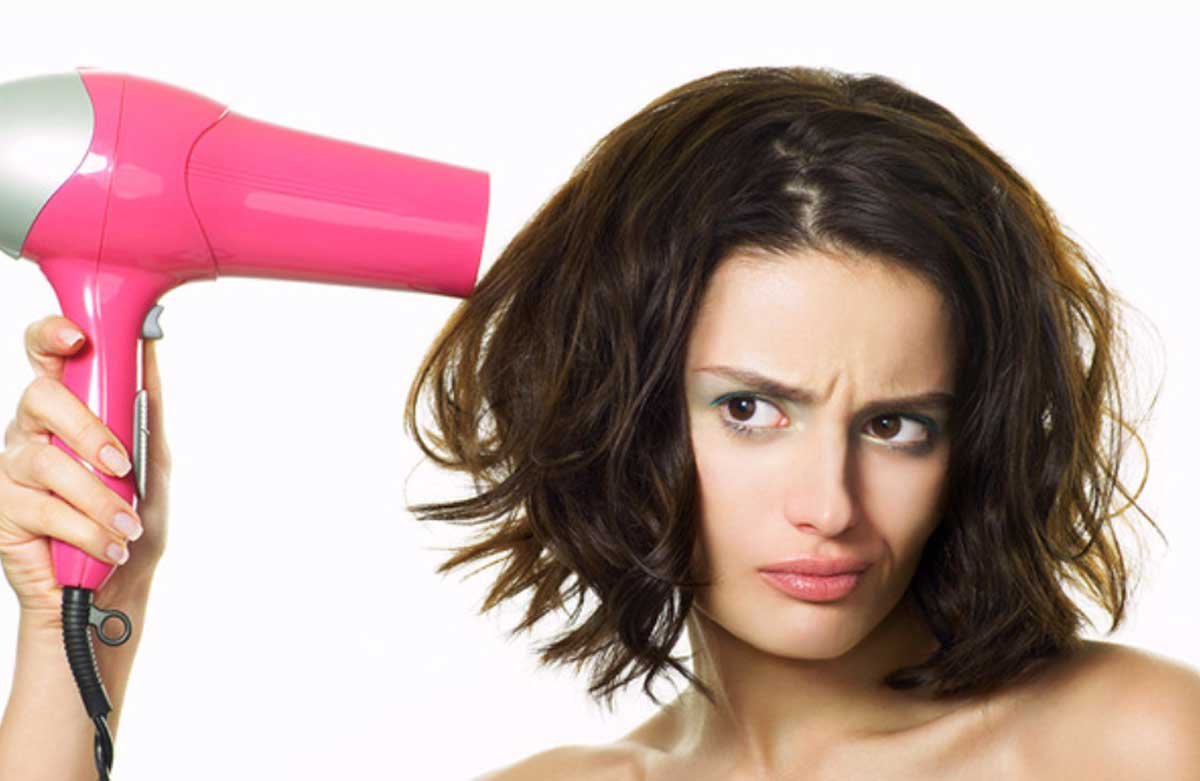
- Avoid blow-drying on high heat. Air drying is best, but if you’re in a hurry, start with a low setting.
- When your mother told you not to sleep with wet hair, you should listen. Doing so will cause serious damage due to the friction between your strands and your pillow.
Maintaining healthy hair is easy if you know the common mistakes to avoid. From adjusting washing frequency according to hair needs to properly handling wet hair, you can keep your hair problem-free from scalp to ends. Do you need quality hair care tools and products to add to your routine? Check out what Tns Hair offers.