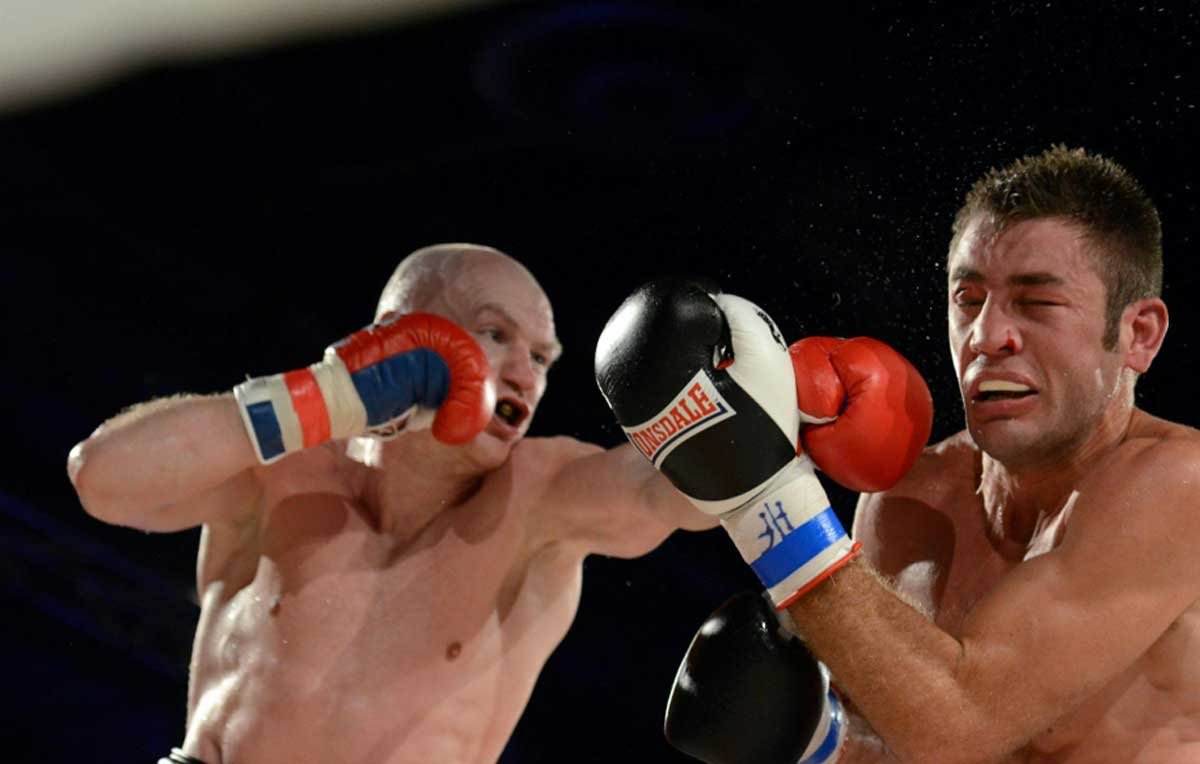
In competitive sport, injuries are usually associated with muscles, joints, or ligaments. Dental trauma rarely receives the same attention, even though it occurs more often than many athletes expect.
Researchers studying sports medicine have documented a surprising number of common dental injuries in sports. Knowing how these injuries occur and how they can be prevented is an important step for athletes who want to maintain both performance and overall health.
Why Dental Injuries Occur During Sports
Sports environments often involve speed, contact and sudden changes in movement. These conditions increase the likelihood of accidental collisions, falls, or impacts to the face. Activities such as football, basketball, hockey, martial arts, and cycling may expose athletes to situations where the mouth and jaw are vulnerable.
Even sports that appear less aggressive can present risk. A simple fall during running or cycling may cause direct trauma to the teeth or lips. Because teeth are rigid structures surrounded by delicate tissues, even a moderate impact can lead to dental injury. Dental injuries are not always dramatic, but they can disrupt training routines and require immediate medical attention.
The Most Common Dental Injuries In Sports
Sports-related dental injuries generally fall into a few common categories.
- Chipped or fractured teeth are among the most frequent injuries. A blow to the mouth may break a portion of the tooth surface, creating sharp edges or exposing deeper layers of the tooth.
- Knocked-out teeth are another serious injury. In these cases, the entire tooth becomes dislodged from the socket after impact.
- Soft tissue injuries may also occur. Cuts or bruises to the lips, cheeks, or gums often accompany dental trauma.
- Jaw injuries can occur when the force of impact affects the surrounding bones or joints. These injuries may interfere with speaking, chewing and breathing comfortably.
Although these injuries differ in severity, each of them highlights the importance of preventive measures during sports participation.
Why Prevention Matters For Athletes
Dental trauma may appear unrelated to athletic performance at first glance. However, untreated oral injuries can affect an athlete’s performance in several ways.
Pain or discomfort can make it harder to focus during training. It may also become difficult to eat properly, which can affect an athlete’s nutrition and recovery. If damaged teeth are not treated in time, they can sometimes lead to infections.
Research on elite athletes has also shown that oral health problems are surprisingly common in professional sport. Studies examining elite competitors have reported high levels of untreated dental disease, suggesting that oral care often receives less attention than other aspects of athlete health.
Recognising these risks helps athletes understand why preventive strategies deserve a place in sports preparation.
Practical Ways To Prevent Dental Injuries
Preventing dental injuries requires a combination of protective equipment and good habits.
- Mouthguards are one of the most effective protective tools in sports. These devices cushion impacts and distribute force across the teeth and jaw.
- Helmets and facial protection can also reduce the chance of direct trauma to the mouth in high-risk activities such as cycling or contact sports.
- Maintaining good oral health is another important factor. Brushing twice in a day using anti-germ toothpaste like Colgate Total can keep teeth strong. Strong teeth and healthy gums are better able to withstand physical stress during accidental impacts.
- Athletes should also remain aware of their surroundings during training sessions and competitions. Many injuries occur during unexpected collisions or falls.
Wrapping Up
Sports participation always carries some risk of injury. However, with the right awareness and simple precautions, many of these injuries can be avoided.
Using protective gear like mouthguards, maintaining good oral hygiene and staying alert during training can make a big difference. These small steps not only protect your teeth but also help you stay consistent in your training without unexpected setbacks.
Disclaimers:
#Colgate Total promotes good oral health, which is part of overall well-being. Athletic performance depends on multiple physical and training factors and is not directly enhanced by the use of this product.##Germs refers to germs in the mouth.