Heavy-duty diesel engines are the backbone of critical industries, powering trucks, heavy machinery, and vital agricultural equipment. While these engines are designed for durability, even proven platforms like the Cummins ISX engine can encounter problems stemming from wear, environmental conditions, and maintenance practices. Addressing these common issues quickly and using the latest diagnostic and maintenance techniques is essential for minimizing downtime and maximizing productivity.
For operators and fleet managers, engine problems can lead to costly repairs and operational losses. Preventative strategies not only reduce these risks but also extend engine life. By staying proactive about regular maintenance and understanding key warning signs, you can keep heavy-duty diesel engines running efficiently and reliably. Modern diagnostic technologies and data-driven maintenance schedules are transforming how industries approach diesel engine maintenance. With a focus on real-world problems such as poor lubrication, overheating, or component wear, this guide will help you identify, prevent, and solve the most common issues affecting today’s powerful diesel engines. Understanding and resolving these challenges ensures better performance, lower total cost of ownership, and improved compliance with evolving emissions standards. From fuel system failures to monitoring exhaust aftertreatment, adopting best practices can prevent major engine damage, avoid hefty regulatory fines, and contribute to safer operation.
Poor Lubrication
Poor lubrication remains a significant factor in premature diesel engine failure. Insufficient oil levels, degraded lubricants, or contamination with coolant, soot, or debris can dramatically increase friction, setting the stage for overheating and component wear. Establishing a routine to check oil levels, using the proper grade of oil, and keeping up with oil changes are foundational. Oil analysis during scheduled maintenance provides early warnings of contamination and excessive wear, helping identify problems before they become catastrophic. The EPA discusses the importance of proper engine lubrication strategies for emission compliance and longevity.
Overheating
Overheating threatens the structural integrity of vital engine components. Faulty thermostats, blocked radiators, or leaks in the cooling system can all cause critical spikes in engine temperature. If left unchecked, continuous overheating may warp cylinder heads and damage gaskets, resulting in costly repairs. Regularly pressure-testing the cooling system, flushing old coolant per manufacturer recommendations, and replacing worn parts such as thermostats and radiator caps are all key preventive steps. Monitoring engine temperature with the electronic control module (ECM) enables operators to respond to heat issues early, reducing the risk of breakdown.
Fuel System Failures
Inefficiencies in the fuel system are a common source of hard starts, rough operation, and performance loss. Water, dirt, or microbial growth in diesel fuel can clog filters and cause injector failures. Routine replacement of fuel filters, frequent draining of water separators, and the use of high-quality diesel fuel will help protect sensitive components. Fuel additives may be necessary in environments with known fuel quality issues. Comprehensive injector testing as part of preventive maintenance helps detect faults before they lead to poor combustion, higher emissions, or engine knocking.
Exhaust Gas Recirculation (EGR) System Issues
The EGR system is crucial for reducing nitrogen oxide emissions. Over time, carbon build-up can cause EGR valves or coolers to fail, impairing engine power and increasing emissions. Maintenance routines should include inspecting and cleaning the EGR valve, and, as needed, replacing faulty components. Addressing EGR malfunctions quickly supports compliance with environmental regulations and maintains optimal engine performance.
Diesel Particulate Filter (DPF) Clogging
Modern engines rely on DPFs to remove soot from exhaust gases. However, DPFs can become clogged, leading to excessive backpressure and reduced power. Key prevention strategies include scheduled forced regenerations, periodic DPF cleaning, and keeping ash content low with specified engine oils. Continuous monitoring through the engine’s control systems allows for early intervention before the DPF reaches dangerous blockage levels.
Camshaft Wear
Wear and damage to the camshaft can severely affect engine timing and overall efficiency. Most camshaft wear is attributed to lubrication breakdown or poor oil quality. Keeping to prescribed oil-change intervals and using high-grade lubricants helps preserve camshaft health. If abnormal noise, performance issues, or diagnostic codes point to camshaft wear, timely replacement of the camshaft and related parts is necessary for continued reliable operation.
Fuel Injector Failures
Proper fuel atomization is key to clean, efficient combustion. Contaminated or worn injectors can cause misfires, increase fuel consumption, and lead to higher emissions. Diesel engine operators should regularly test and clean injectors, replace failing units promptly, and avoid fuel sources with questionable cleanliness. The application of advanced diagnostic tools further minimizes unexpected injector failures and related issues.
Cooling System Leaks
Leaks from hoses, gaskets, or the radiator can cause a critical coolant loss, increasing the risk of overheating. Scheduled inspections should target common leak points. Prompt replacement of degraded hoses or seals and ensuring coolant is always at manufacturer-recommended levels are fundamental practices to keep engines safe and operational.
Excessive Oil Consumption
High oil consumption can be a symptom of worn piston rings, damaged valve seals, or turbocharger issues. Disproportionate oil consumption requires swift examination and repair to prevent engine damage and oil contamination of emissions components. Proactive monitoring and regular engine check-ups keep oil use within safe parameters, supporting better engine health and lower emissions.
Modern Technologies in Diesel Engine Maintenance
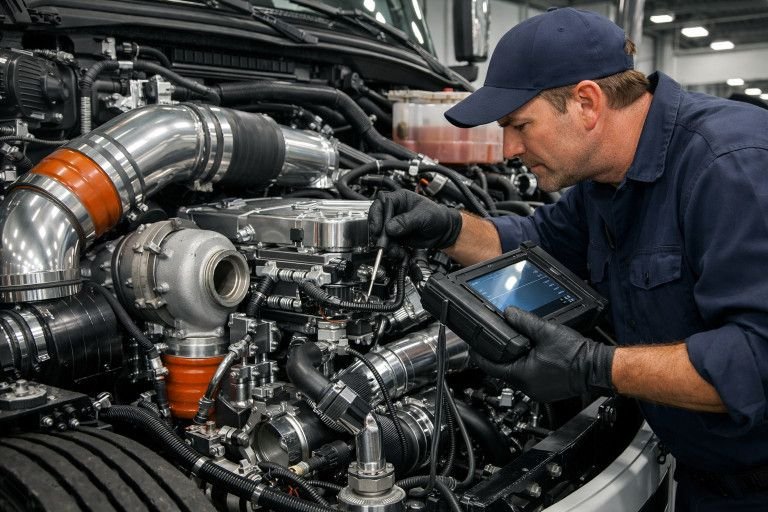
Machine learning and IoT-connected diagnostic sensors are revolutionizing preventive maintenance in diesel engines. These systems analyze real-time and historical data to predict failures before they occur, enabling planned interventions rather than crisis repairs. Online resources offer insights on using telematics and analytics for smarter engine care. Adopting these technologies can drastically reduce downtime, lower costs, and enhance overall fleet reliability. By understanding and addressing these common diesel engine challenges, operators and mechanics can ensure longer-lasting, more efficient, and more environmentally responsible engines for years to come.
Conclusion
Maintaining the reliability and performance of heavy-duty diesel engines requires a proactive approach that combines routine maintenance, timely repairs, and modern diagnostic technologies. Common issues such as poor lubrication, overheating, fuel system failures, and emissions-related component problems can often be prevented through regular inspections and adherence to manufacturer-recommended service schedules. By addressing warning signs early and leveraging advanced monitoring tools, operators can reduce downtime, extend engine life, and improve overall efficiency. Investing in preventive maintenance not only lowers repair costs but also helps ensure compliance with emissions regulations, allowing diesel-powered equipment to operate safely, productively, and reliably for years to come.