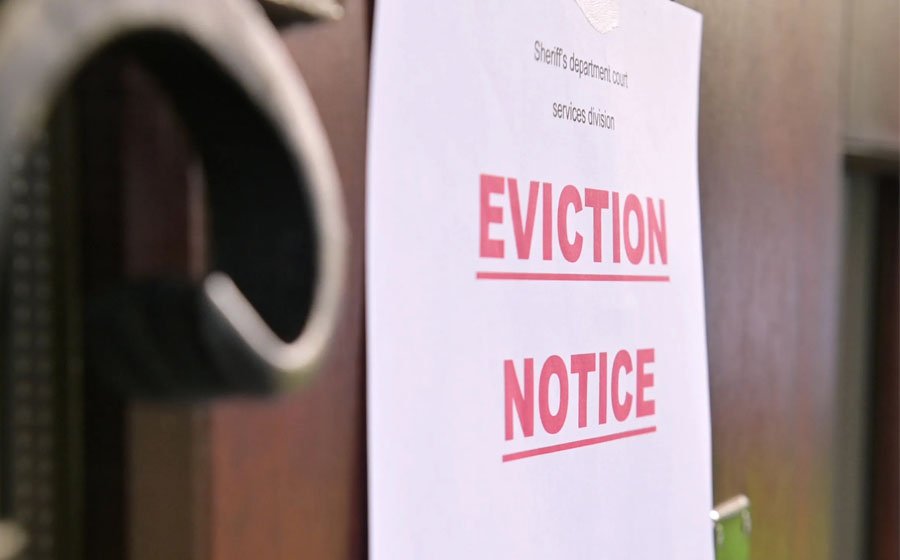
California law requires a landlord seeking to evict a tenant to begin the process with a three-day notice of intent to evict. East Bay a property management in Milpitas, CA explains there are several different notices, depending on the facts of your situation. However, all of them must tell you what the landlord wants you to do to move out. This article will look closely at each notice and what you need to do when you receive one.
Three-Day Notice to Pay or Quit
This notice is served when you are behind on your rent. The notice gives you three days to pay your back rent in full or move out (that is, quit). This notice must be in writing and include:
- Tenant’s full name and address of the rental unit
- Exact total of back rent owed
- A statement that all rent must be paid in three days or you must move out
- Contact information for the party to whom the rent is owed
- When and how you can make payment, specifically for in-person and mailed payments.
A landlord can’t use this notice for late fees, bounced check fees, utilities, or other debts. If the notice asks for something it can’t or more than what is owed, it is invalid, and the landlord has to start over. Count your days starting with the first day after you received the notice, and don’t include Saturdays, Sundays, or days when the courts are closed.
Three-Day Notice to Perform Covenants or Quit
The notice to perform tells you, in essence, to do what you need to do or get out. Your landlord uses this form when you are, in the landlord’s view, not performing one or more of your obligations under your lease. This notice will include:
- Tenant’s full name and address of the rental unit
- An exact description of the alleged violation of the lease terms
- A statement that the tenant has three days to fix it or move out.
Once again, you count your days, starting with the first day after you receive the notice. Don’t include Saturdays, Sundays, or days when the courts are closed. If you don’t fix the problem in three days, the landlord can follow up with a 3-Day Notice to Quit (next section) without any option to repair. If you want to learn more about the eviction process, you can check out this page discussing the florida eviction process.
Three-Day Notice to Quit
This notice says, in polite, legal language, get out of my unit. It is used in the case of severe violations of the lease terms and does not offer an option for curing the violation. Conditions that might cause a landlord to send a notice to quit include:
- Maintaining a nuisance on the property. Legally, a nuisance interferes with the rights of others: your vicious dog, for example, interferes with my right to walk in the hallway.
- Engaging in illegal activity in the unit. Cooking meth can get you a three-day notice to quit, which is probably the least of your problems at that point.
- Negatively affecting the lives of others in the building. Cooking meth produces fumes that can kill your neighbors as fast as the drug.
- Committing major damage to the property. You can’t tear down walls or smash the ceilings of a rental unit.
- Subleasing or adding a roommate without permission. The landlord rents to you and your family members, if any. Adding people or subletting your unit changes the landlord’s risk and is likely prohibited in your lease.
The Notice to Quit, which generally follows a Notice to Perform, must include:
- Tenant’s name and address of the rental unit
- The cause underlying the notice, including specific details
- A clear statement that the tenant has to move within three days (counted as above).
30-day or 60-day, or 90-Day Notice to Quit
This longer notice is used when the landlord wants to end your rental but may not have cause. The 30-day notice is used for a tenant on a month-to-month rental agreement if the tenant has been living in the unit for less than a year. The 60-day notice is used for a month-to-month rental where the tenant has been renting the unit for a year or more.
In most cases, the landlord does need cause to end the agreement under the Tenant Protection Act. However, there are exceptions:
- Occupying space for less than a year
- If landlord lives in the home (rental is an in-law suite)
- If landlord lives in the other half of a duplex
- Housing has been built within the last 15 years
If you get a 30 or 60-day notice, it must be in writing and include:
- Tenant’s name and rental address
- The timing of ending the tenancy
- Directions for retrieving property left behind
If the unit is subject to the Tenant Protection Act, the notice must also include the cause for termination, the right to relocation assistance if applicable, or the right to use the security deposit for last month’s rent.
The 90-Day Notice applies only to Section 8 housing.