When people start planning a long-distance move, the car conversation usually goes something like this: “We’ll just drive it.” Makes sense on the surface. You already own the car, gas is cheaper than a shipping quote, and how hard can a road trip really be?
Harder than it looks – and more expensive too.
Here’s what the math actually looks like when you account for everything.
The Real Cost of Driving Isn’t Just Gas
Take a route like California to New York. That’s roughly 2,800 miles. If your car gets 30 miles per gallon, you’re looking at fuel costs that depend on prices along the way. That part people calculate. What they don’t calculate is:
You’re not doing that drive in one day. Realistically, it’s three to four days on the road, which means two or three nights in hotels. Even budget options add up to $150–$300. Then there’s food – you’re not packing a cooler for 2,800 miles. Daily meals at highway exits, coffee stops, the random fast food because you’re tired and it’s easy. Another $100–$200, I guess.
And none of that accounts for what the drive does to your vehicle. Nearly 3,000 miles of highway puts real wear on tires, brakes, and engine components. For a newer car or anything with actual value, that’s not a small thing.
By the time you add it all up honestly, you’re often looking at $900–$1,200 in real out-of-pocket costs. Sometimes more.
So What Does Shipping Actually Cost?
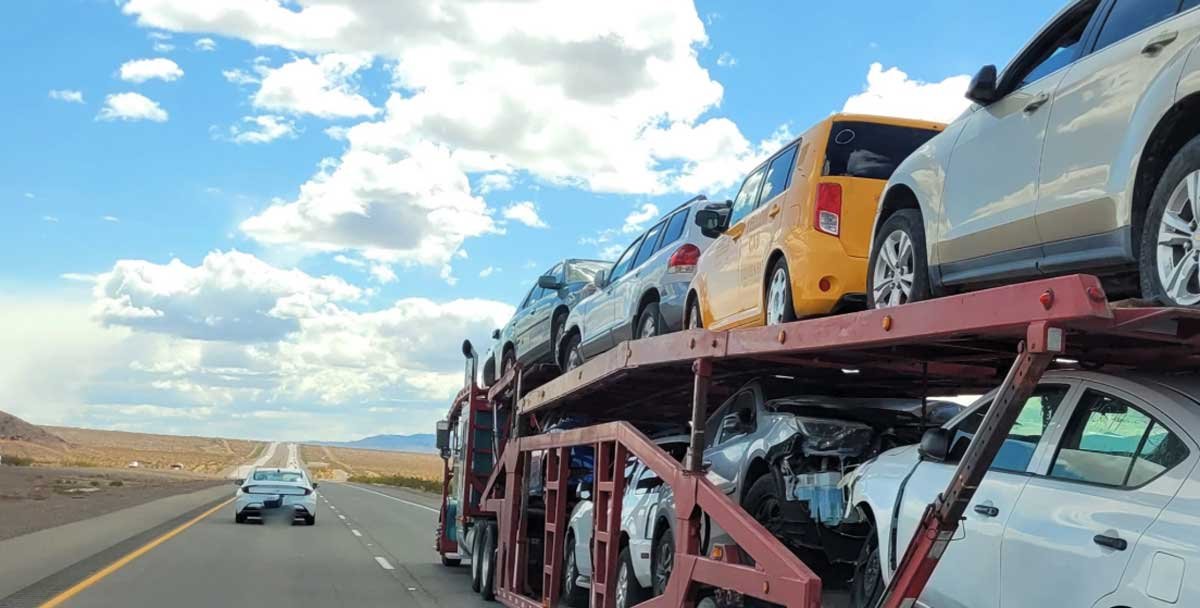
For a coast-to-coast route, standard open transport typically runs somewhere between $900 and $1,400 depending on the time of year, your vehicle size, and how flexible you are on pickup dates. Enclosed transport – for vehicles that need extra protection – costs more, but it’s a different conversation for a different type of car.
The point is: when you compare the full cost of driving to the cost of shipping, the gap is usually much smaller than people expect. And that’s before you factor in what you get back – your time, your energy, and three or four days you don’t spend behind the wheel eating gas station sandwiches.
Getting a quote takes five minutes. A good professional car shipping service like Mile Auto Transport will give you a transparent number upfront so you can actually compare your options instead of guessing.
When Driving Still Makes Sense
To be fair – there are situations where driving is the right call. If the distance is under 500 miles, it’s often a one-day trip and shipping doesn’t make financial sense. If you’re moving things in your car that you can’t transport any other way, driving serves a double purpose. And if the car is older and not worth much, the calculation changes.
Short moves – Chicago to Indianapolis, Los Angeles to Las Vegas, Dallas to Houston – driving is fine. Nobody’s arguing otherwise.
When Shipping Is the Smarter Move
The longer the distance, the faster the math tips toward shipping. Past about 1,000 miles, the driving costs stack up fast enough that the numbers start to look very different.
A few situations where shipping almost always wins:
Relocating with kids. A four-day cross-country drive with young children is a logistical ordeal. Most families who’ve done it once ship the car and fly the second time around. It’s not even close.
High-value or classic vehicles. Putting 3,000 miles of highway wear on a car worth $60,000 or more rarely makes sense when you can have it transported enclosed and fully protected. There’s a reason luxury car shipping exists as a separate service – the math and the risk profile are completely different for these vehicles.
Snowbird moves. Plenty of retirees make the Florida-to-north run twice a year. Driving that route every single time gets old fast, and the wear adds up over multiple seasons. Shipping solves that.
Military relocations. PCS orders come with tight timelines and zero flexibility. Driving isn’t always an option, and professional transport removes one major variable from an already complicated process.
The Part Nobody Talks About
There’s something that doesn’t show up in any cost comparison but matters a lot: arriving in good shape.
When you drive cross-country, you show up at your destination tired, stiff, and usually already behind on everything you need to do. When you fly or travel separately and your car is already there waiting – or arrives shortly after – the move feels completely different. You have energy for the first week. You can actually focus on getting settled instead of recovering from the road.
It sounds like a soft reason. But anyone who’s done a long-distance move both ways will tell you it makes a real difference.
Bottom Line
Don’t assume driving is cheaper without running the actual numbers. For most long-distance moves, when you account for hotels, food, time, and wear on your vehicle, the cost difference between driving and shipping is smaller than it looks – and sometimes shipping is the better deal. At minimum, it’s worth getting a quote before you decide.