Understanding Mold Exposure in Arizona
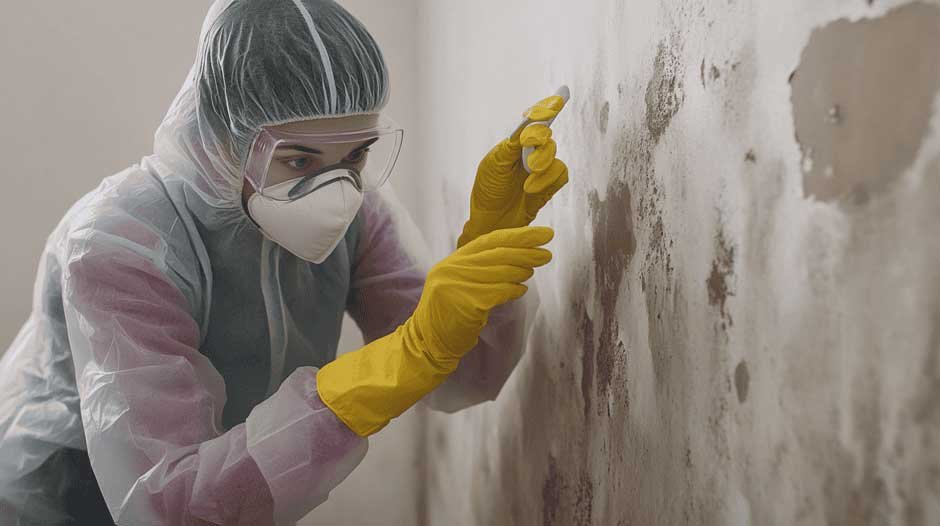
Arizona’s climate, characterized by extreme heat and monsoon seasons, creates conditions conducive to mold growth. Factors such as evaporative coolers, sudden flooding, and air conditioning condensation contribute to this issue. The monsoon season from July through September brings heavy rains that can lead to water intrusion and subsequent mold proliferation in homes and commercial properties.
For individuals facing mold-related health issues or property damage, seeking legal assistance is an important step. An Arizona mold injury attorney at Conduit Law can provide guidance and representation to help affected parties pursue the compensation they deserve.
Health Risks Associated with Mold
Mold exposure can result in various health problems, including respiratory issues such as chronic coughing, wheezing, and shortness of breath; allergic reactions, including sneezing, runny nose, and skin rashes; neurological symptoms, such as headaches and difficulty concentrating; and chronic fatigue and immune system suppression. According to the Centers for Disease Control and Prevention, mold exposure can cause allergic reactions and respiratory symptoms, with immunocompromised individuals and those with chronic lung disease facing heightened risks. [1] Individuals with pre-existing health conditions such as asthma or immune system disorders may be especially susceptible to these effects and complications.
Legal Framework for Mold Injury Claims in Arizona
Arizona’s Residential Landlord and Tenant Act requires landlords to maintain safe and habitable living conditions. Under A.R.S. § 33-1324, property owners are required to keep common areas in a safe condition and carry out necessary repairs when issues arise. [2] When problems like mold are ignored or left unresolved, landlords may face potential legal liability for resulting harm.
Arizona also applies a pure comparative negligence rule, meaning injured parties can still recover damages even if they share some responsibility, though their percentage of fault reduces their compensation. The statute of limitations for personal injury claims in Arizona is two years from the date the injury is discovered, which is particularly relevant for mold cases where health effects may develop gradually over time.
Role of Mold Injury Attorneys
Mold injury attorneys play a pivotal role in assisting victims by evaluating the extent of exposure and associated damages, gathering evidence, including medical records and property assessments, negotiating with landlords, property managers, or insurance companies, and filing lawsuits to seek compensation for medical expenses, lost wages, and pain and suffering.
An experienced attorney helps victims navigate the complexities of the legal system with greater confidence. Legal professionals in mold litigation often work with environmental specialists and medical experts to strengthen claims, ensuring that each case is supported by professional assessments and clear documentation.
Steps to Take If You Suspect Mold Exposure
If you suspect mold exposure, consider the following steps. Consult a healthcare professional to document health issues. Document visible mold and water damage through photographs. Notify your landlord or property manager in writing about the issue. Obtain a professional mold inspection to assess the extent of contamination. Preserve all related evidence, including medical records and correspondence. Seek legal counsel to understand your rights and options.
Compensation Available for Mold Injury Victims
Victims of mold exposure may be entitled to various forms of compensation, including medical expenses for treatment and ongoing care, lost wages due to illness-related absences, pain and suffering resulting from health complications, relocation costs if the property is uninhabitable, and property damage to belongings affected by mold. [1]
Settlement amounts can differ significantly depending on the extent of exposure and the seriousness of the resulting health conditions. Having experienced legal guidance helps ensure each case is evaluated thoroughly and that fair compensation is pursued based on the specific circumstances.
Frequently Asked Questions
What is the statute of limitations for mold injury claims in Arizona? In Arizona, a plaintiff generally has two years from the date of discovery of the injury to file a mold injury lawsuit.
Can I still recover damages if I am partially at fault for the mold exposure? Yes, under Arizona’s pure comparative negligence rule, you can recover damages reduced by your percentage of fault.
What evidence is essential for a mold injury claim? Key evidence includes medical records, photographs of mold, professional inspection reports, and documented communication with property owners.
Are landlords always liable for mold issues in rental properties? Landlords are liable if they fail to maintain habitable conditions as required by law. However, tenant negligence, such as failing to report leaks or blocking ventilation, can also impact liability.
References
[1] Centers for Disease Control and Prevention (CDC). Mold: Health Effects of Exposure. https://www.cdc.gov/mold-health/about/index.html
[2] Arizona State Legislature. Arizona Residential Landlord and Tenant Act, A.R.S. § 33-1324. https://www.azleg.gov/ars/33/01324.htm