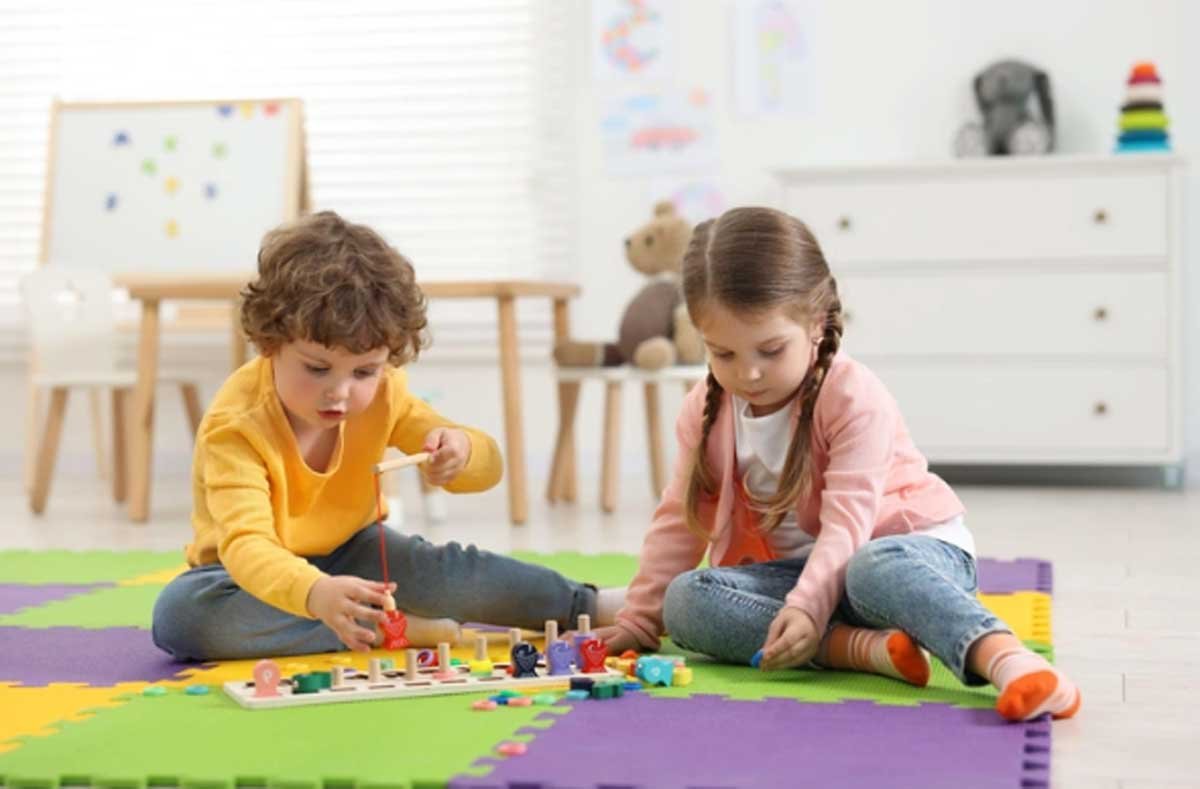
When we think about early childhood education, our minds often jump to the basics of counting, learning the alphabet, and recognising colours. However, modern child development research tells a much deeper and more complex story. The true magic of the early years lies in the rapid development of emotional intelligence. For toddlers and young children, learning how to navigate big feelings, share with others, and develop resilience is far more critical than early academic memorisation. Finding an environment that supports this vital growth is a top priority for families. For instance, when parents tour a preschool in Ryde location, they are typically looking for an atmosphere that feels like a nurturing extension of their own home. They want a space where early academic foundations are perfectly balanced with deep social and emotional support.
The Mechanics of Play-Based Learning
Play-based learning is a highly intentional educational approach. It deliberately moves away from rigid rote learning and instead uses a child’s natural curiosity as the primary driver for their education. Skilled educators observe children as they play, carefully guiding and scaffolding their experiences to introduce new concepts organically. Whether they are engaging in messy sensory play outdoors or negotiating roles in a make-believe kitchen, children are actively problem-solving and regulating their emotions in real time. They learn how to take turns, how to cope with disappointment when a tall block tower accidentally falls over, and how to express their personal needs verbally. These small, daily interactions are the fundamental building blocks of robust emotional intelligence. Over time, these guided experiences allow children to manage their own reactions and interact more harmoniously with their peers, creating a positive feedback loop of learning and emotional regulation.
Measurable Cognitive and Academic Benefits
There is a frequent misconception among some parents that focusing heavily on play and emotional wellbeing somehow takes valuable time away from real academic progress. In reality, the two areas of development are deeply and permanently connected. Strong emotional intelligence acts as a cognitive anchor that allows children to focus, process new information, and engage with their peers effectively. Research from Evidence for Learning demonstrates that social and emotional learning frameworks do much more than just build good character. In fact, these targeted interventions can lead to an average of four months of additional academic progress over a single school year by improving how children interact and self-regulate. When children are not overwhelmed by unchecked emotions, their brains are far more receptive to absorbing complex academic concepts, setting a strong foundation for their formal schooling years.
Fostering a Lifelong Love of Discovery
A play-based emergent curriculum gives children a strong, vital sense of autonomy. When educators allow children to lead their own play, they validate the child’s unique interests and feelings. This validation builds immense confidence and a profound sense of self-worth from a very young age. When early childhood educators build upon the foundational emotional support established at home, they help foster an innate curiosity that can be instrumental in preventing student apathy and reigniting a passion for learning as children progress through their later schooling years. Children who feel safe, heard, and emotionally secure are far more likely to take creative risks. They become inquisitive learners who actively seek out new challenges, ask questions, and stay fully engaged in their lifelong educational journey, rather than shrinking back from difficult tasks.
Practical Examples of Emotional Growth Through Play
To understand how this philosophy looks in a practical daily setting, we can observe the specific types of play children engage in at their early learning centres. Different activities nurture distinct and highly valuable emotional skills:
- Collaborative Block Building: Constructing a shared project with peers requires patience, ongoing negotiation, and compromise. Children learn to communicate their architectural ideas clearly and handle the inevitable frustration if their peers have entirely different plans.
- Role-Playing and Dress-Ups: When children pretend to be doctors, parents, or shopkeepers, they are actively stepping into another person’s shoes. This practice is the very foundation of empathy, allowing them to view the world from completely different perspectives.
- Sensory and Art Stations: Finger painting, playing with clay, or sorting water beads allows children to express complex and overwhelming emotions non-verbally. These tactile activities serve as a remarkably soothing outlet for typical childhood stress or separation anxiety.
Ultimately, play is the most serious work a young child can undertake. By prioritising emotional intelligence through structured and play-based frameworks, educators and parents are doing much more than simply keeping children entertained during the day. They are actively equipping the next generation with the resilience, empathy, and essential social skills required to thrive in an increasingly complex world. When families choose a nurturing and professionally guided early childhood environment, they are giving their children the absolute best possible start, ensuring they are not only prepared for the academic demands of school, but also for the social realities of everyday life.