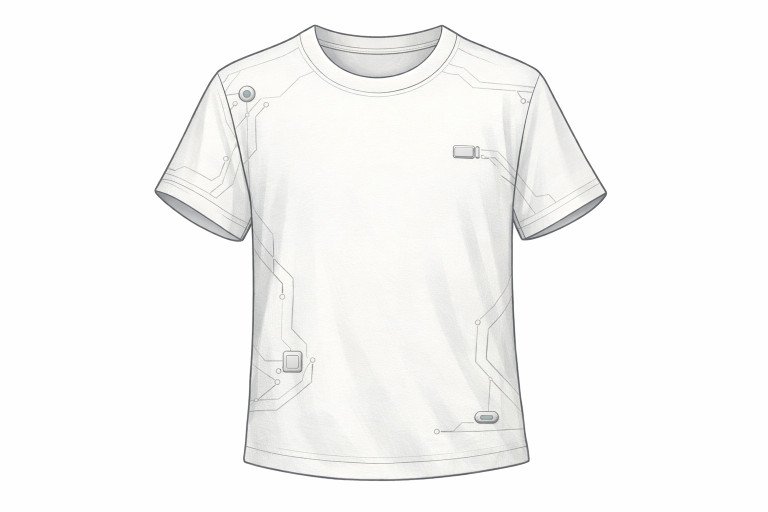
Smart textiles are reshaping our daily lives, blending traditional fabrics with technology to create garments that do much more than keep us comfortable. By incorporating tiny electronic components, these innovative fabrics can monitor health, track fitness metrics, and even respond to environmental changes, offering unprecedented opportunities for personal well-being and convenience. The growing field of wearable technology demonstrates how seamlessly clothing and electronics are merging, making smart fabrics a central element in new consumer and industry trends.
The potential of smart textiles goes far beyond novelty. They are already being utilized across healthcare, sports, environmental monitoring, and even fashion, showing that textiles can do more than protect us from the elements or represent our style. These next-generation materials enhance the capabilities of what we wear and bring digital interaction to the fabric level, propelling societies toward a smarter, healthier future.
Healthcare Applications
Smart textiles are transforming healthcare by enabling early warnings and continuous monitoring. For instance, sensor-embedded bedsheets from Georgia Tech alert staff to potential bedsores, reducing complications and improving outcomes in hospitals and care homes. These advances boost patient comfort, lower treatment costs, and enhance recovery. Beyond physical health, smart textiles are also used in mental health management. Researchers develop fabrics that monitor stress by detecting sweat or skin changes, sending notifications via wearable devices, prompting relaxation or support. Integration with telemedicine allows real-time data sharing, providing more holistic, preventive care.
Sports and Fitness
In athletics and fitness, smart textiles are gaining popularity as they can track movement, posture, and biometrics. Cornell researchers created T-shirts with flexible conductive threads to analyze workouts and monitor posture in real time. Using AI, these garments provide targeted feedback, help prevent injuries, and support users in reaching goals. This adaptability and instant feedback make smart apparel essential for athletes and everyday users. Data from these garments can wirelessly be sent to apps or cloud services for detailed performance analysis. Coaches and therapists use this tech for personalized training and safer rehab, and the trend will likely grow as wearables become more precise and accepted in sports.
Fashion and Aesthetics
Smart textiles are not solely limited to function; they are also pushing the boundaries of fashion. Designers are using electronic threads and responsive dyes to create garments that can change color, display words, or even adapt to outdoor temperatures with a touch of style. These interactive capabilities are capturing the imaginations of consumers craving customizable experiences, with several brands now offering attire that blends technological novelty and personal expression. This intersection of technology and design is widely discussed in publications such as Vogue, which explores how leading designers are integrating interactivity into their latest collections.
Smart fashion is also paving the way for environmentally responsive garments that automatically adjust insulation or ventilation levels in response to changing weather. In addition to practical applications, smart textiles allow fashion houses to create visually stunning runway pieces that can be transformed on demand, redefining what it means to make a fashion statement. The possibility for collaboration between technologists and designers continues to fuel new forms of wearable art and expression.
Environmental Monitoring
Smart textiles are promising for environmental monitoring and disaster response. Fabrics with sensors can alert workers to hazards like pollutants and temperature extremes, protecting them and aiding scientific research. Deployable smart blankets or tarps can monitor air quality and locate survivors in emergencies. These innovations expand smart textiles’ applications in industry and humanitarian efforts.
Challenges and Future Directions
Despite excitement around smart textiles, challenges such as durability, washability, cost, and component size persist. Researchers develop new polymer blends and nanotech to enhance durability and lower costs. As these obstacles are tackled, smart textiles will integrate more with digital fields. Experts predict that improved manufacturing will expand the use of smart fabrics in healthcare, sports, and fashion. Collaboration among scientists, designers, and manufacturers drives progress, blurring lines between clothing and functionality. Smart textiles are not just changing what we wear but how we live. As technology and materials science converge, our clothing will become as connected and intelligent as our daily devices.
Conclusion
Smart textiles are redefining the relationship between technology and everyday life, extending far beyond traditional clothing applications. From enhancing patient care and athletic performance to enabling interactive fashion and environmental monitoring, these innovative fabrics are creating new possibilities across multiple industries. While challenges related to durability, cost, and scalability remain, ongoing advancements in materials science and wearable technology continue to drive progress. As smart textiles become more accessible and sophisticated, they are poised to play an increasingly important role in improving safety, health, comfort, and connectivity in the years ahead.