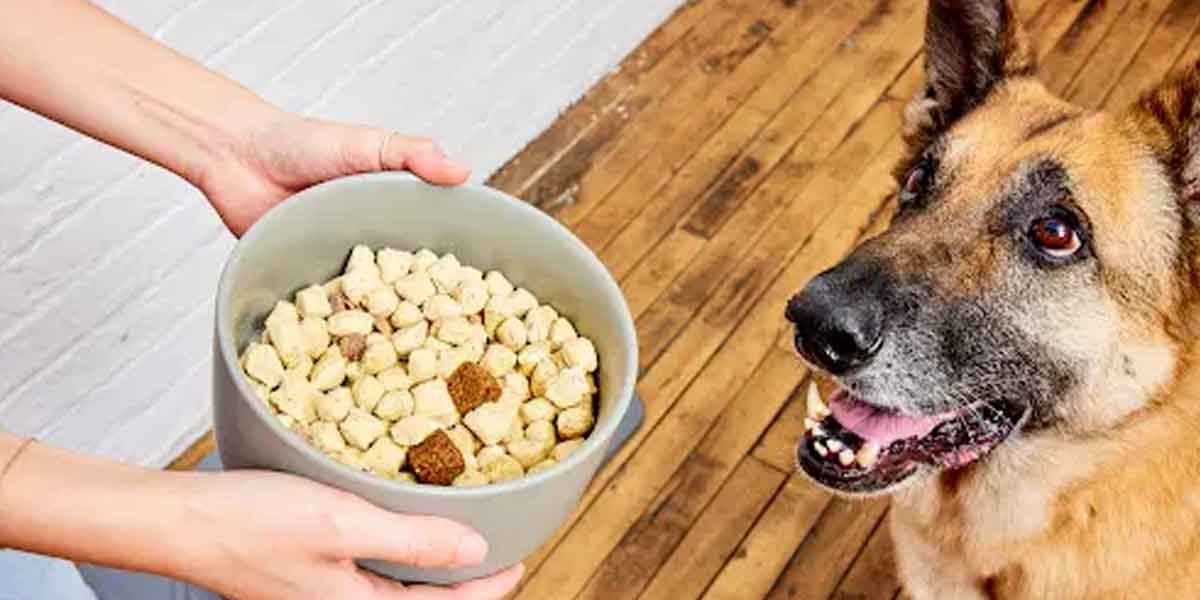
Your dog’s gut health plays a crucial role in their overall well-being—from digestion and immunity to energy levels and even skin health. That’s where dog probiotics come in. These beneficial bacteria help maintain a balanced gut microbiome, ensuring your furry friend stays happy and healthy.
But with so many options available, choosing the best dog probiotics can feel overwhelming. This guide will help you understand what to look for when selecting the right probiotics for your dog.
Why Probiotics Matter for Dogs
Probiotics are live microorganisms that support digestive health by balancing good and bad bacteria in the gut. Dogs can experience gut imbalances due to:
- Poor diet
- Stress or anxiety
- Antibiotic use
- Environmental changes
When the gut flora is disrupted, your dog may experience symptoms like diarrhea, bloating, or reduced appetite. High-quality probiotics for dog health can help restore this balance naturally.
Key Benefits of Dog Probiotics
Choosing the right probiotics can offer several health benefits:
- Improved digestion:Helps break down food and absorb nutrients efficiently
- Relief from diarrhea:Effective probiotics for diarrhea can stabilize your dog’s digestive system
- Boosted immunity:A healthy gut supports a stronger immune system
- Reduced allergies:Helps manage skin issues and food sensitivities
- Better stool quality:Firmer, more regular bowel movements
What to Look for in the Best Dog Probiotics
1. Multiple Strains of Beneficial Bacteria
Not all probiotics are created equal. Look for products that contain multiple strains such as:
- Lactobacillus
- Bifidobacterium
- Enterococcus
These strains work together to improve gut health and digestion. The best dog probiotics typically include a diverse blend for maximum effectiveness.
2. High CFU Count
CFU (Colony Forming Units) indicates the number of live bacteria in a probiotic. A higher CFU count generally means better effectiveness.
- Small dogs: 1–5 billion CFU
- Medium to large dogs: 5–10 billion CFU
However, more isn’t always better—choose a dosage appropriate for your dog’s size and needs.
3. Targeted Formulas for Specific Issues
If your dog is dealing with digestive upset, choose probiotics specifically designed for that condition.
For example:
- Probiotics for diarrheaoften include fast-acting strains
- Some formulas target gas, bloating, or food sensitivities
Matching the product to your dog’s issue ensures better results.
4. Added Prebiotics
Prebiotics are fibers that feed good bacteria. When combined with probiotics, they create a synbiotic effect that enhances gut health.
Look for ingredients like:
- Inulin
- Chicory root
- FOS (Fructooligosaccharides)
These help probiotics thrive in your dog’s digestive system.
5. Quality and Safety Standards
Always choose products that are:
- Vet-recommended
- Made in certified facilities
- Free from artificial additives
- Clearly labeled with ingredients and CFU count
This ensures your dog gets safe and effective dog probiotics.
6. Easy-to-Administer Form
Probiotics come in various forms:
- Chews or treats
- Powders
- Capsules
- Liquids
If your dog is picky, flavored chews or powders that mix with food are often the easiest options.
When Should You Give Your Dog Probiotics?
You can introduce probiotics for dog health in several situations:
- During or after antibiotic treatment
- When experiencing diarrhea or digestive issues
- During dietary changes
- In stressful situations (travel, boarding)
- As a daily supplement for overall health
For ongoing benefits, consistency is key.
Signs Your Dog Needs Probiotics
Not sure if your dog needs probiotics? Look out for these signs:
- Frequent diarrhea or loose stools
- Excessive gas
- Poor appetite
- Dull coat or itchy skin
- Low energy levels
In such cases, the best dog probiotics can make a noticeable difference within a few weeks.
Tips for Choosing the Right Product
- Start with a lower dose and gradually increase
- Monitor your dog’s response over time
- Consult your vet for chronic issues
- Avoid human probiotics unless approved by a vet
Every dog is different, so finding the right product may take some trial and observation.
Final Thoughts
Choosing the right dog probiotics doesn’t have to be complicated. Focus on quality ingredients, multiple bacterial strains, and formulas tailored to your dog’s needs. Whether you’re dealing with digestive issues or simply want to support overall health, the right probiotics for dog can be a game-changer.
If your pet struggles with digestive problems, especially loose stools, investing in probiotics for diarrhea can provide fast and effective relief. Ultimately, the best dog probiotics are those that suit your dog’s unique health needs and lifestyle.
A healthy gut means a happier dog—and that’s something every pet owner wants.