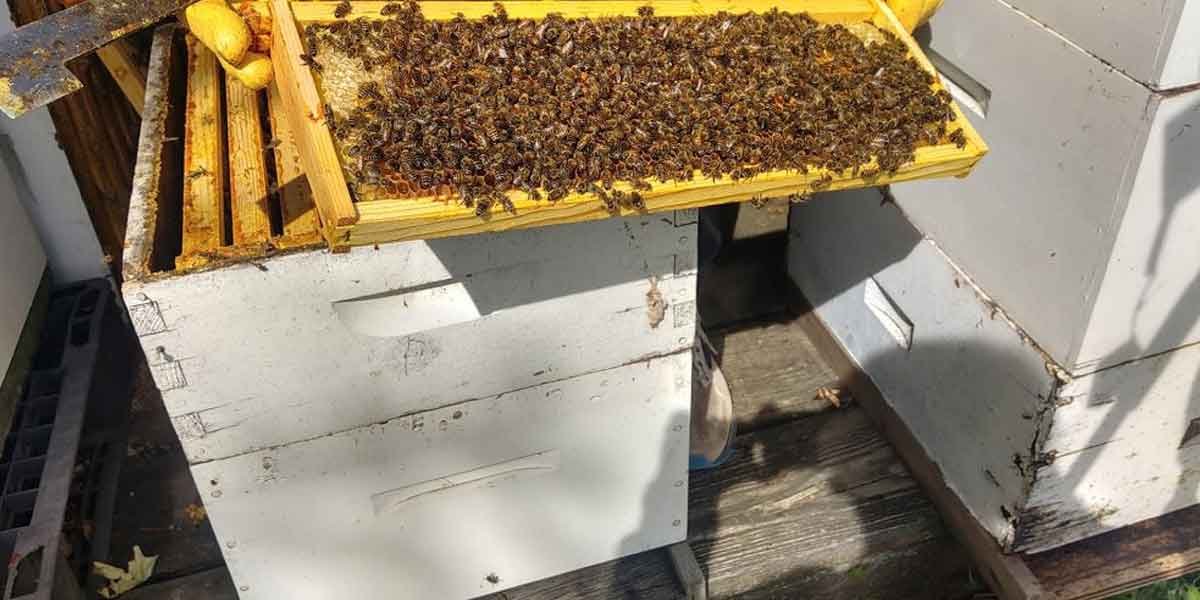
A calm inspection protects both you and your bees. It preserves brood temperature, prevents unnecessary alarm, and lets you gather accurate information about the colony’s health. While every apiary and climate is different, the fundamentals are the same. Prepare before you open the box, move deliberately, and keep your time in the hive as short as is practical. The result is better data, fewer stings, and a more productive season.
Choose the Right Window and Arrive Prepared
Inspections run best when the weather is kind and foragers are out. Aim for a mild, dry day with light wind and temperatures warm enough for steady flight. Midday is ideal because many workers are in the field, which reduces congestion on the combs. Avoid opening colonies right before storms or during strong nectar dearths, since bees are naturally more defensive when resources are uncertain.
Preparation is the second half of timing. Lay out your kit so you will not step away once the lid is off. Check that your smoker lights easily and produces cool, steady smoke. Bring spare fuel, a lighter, a clean hive tool, a soft bee brush, a notebook or phone for records, and a small first aid pouch. Set everything within reach and out of the main flight path. Good staging prevents fumbling, which is a common trigger for agitation.
Dress for Confidence and Calm
Your mindset shapes the inspection. Comfortable, protective clothing helps you move slowly and with intention, which the bees will mirror. Wear a breathable suit or jacket with an integrated veil that zips securely and does not snag when you turn your head. Footwear should be closed toe with traction for uneven ground. Many beekeepers prefer light colored fabric because it shows bees before you sit or lean.
Hand protection should balance feel and security. A snug pair of beekeeping gloves that still allow you to grip frame ears and gently separate propolized surfaces can make the difference between graceful handling and clumsy overcorrections. Keep gloves clean between colonies to avoid carrying alarm scent from one hive to another. When you feel protected and cool, you avoid sudden movements, and that composure sets the tone for the entire visit.
Set the Mood with the Entrance and the Smoker
Before you lift anything, read the entrance. Are bees returning with pollen. Are guards relaxed. Do you see frantic side to side movement that could indicate robbing. A few seconds of observation informs your next steps. If activity looks normal, approach from the side, not the front, so you are not blocking flight lines.
Use smoke as a gentle communication tool, not a fog. One or two small puffs at the entrance and under the cover will move bees downward and distract guards long enough for you to begin. Wait half a minute so the colony can process the signal. Keep the smoker handy but avoid repeated blasts. Excess smoke drives bees into the brood nest and can stir anxiety, which is the opposite of what you want.
Open the Hive with Minimal Disruption
Think of opening the hive as slowly lifting a blanket from a sleeping child. Break the propolis seal around the outer and inner covers a little at a time. Lift the inner cover with a hinge motion so light and fresh air enter gradually. Rest it beside the box with the wet side down to keep curious bees off the rim.
To create working space, remove the outermost frame first. It often contains honey or empty comb and fewer bees. Place it gently on a clean surface or in a frame holder, then shift the remaining frames to widen your inspection lane. When you pry frames, place the hive tool and apply pressure in small increments. Set frames back with a soft touch so you do not crush workers or roll the queen. Angling frames slightly toward the sun helps you see eggs and young larvae without shaking bees repeatedly.
Handle Frames Like They Are Full of Warm Water
Gentle handling lowers risk and speeds your work. Keep frames over the open box so any bees that fall return to warmth immediately. When you need bees to clear, use a short, firm shake over the box or a soft brush stroke, starting near the bottom bar and moving upward. Avoid aggressive brushing that can injure wings or legs.
Scan for a calm, consistent brood pattern, adequate stores, and signs of disease or pests. Look for eggs at the bottom of cells to confirm recent laying. Evaluate whether nectar is backfilling the brood nest, which can signal the need for space. Note the colony’s demeanor. A steady hum indicates acceptance. A rising pitch suggests you should pause, add a light puff of smoke, and check your movements.
Keep It Brief, Organized, and Recorded
A good inspection is purposeful and efficient. Arrive with two or three questions you intend to answer, such as queen status, brood quality, and store levels. If you find a problem, address it with the least intrusive action that buys time, like adding a frame of open brood to anchor a queenless hive or sliding in a feeder during a lean patch. Save major manipulations for the warmest part of the day and only when necessary.
Record what you see as soon as you close the lid. Jot quick notes or snap a few photos to capture brood density, mite counts, super weight, or temperament. These records turn isolated impressions into trends you can trust and help you choose the right day for the next visit. A few minutes of documentation now prevents guesswork later.
Close the Colony the Way You Found It
Your last act is to restore the microclimate. Gently compress frames to reestablish bee space and align comb faces. Replace the removed frame, snug but not tight, so propolis can reseal gaps. Set the inner cover and outer cover down slowly, again with a hinge motion, to avoid sudden darkness and pressure changes. Remove tools and smoker from the flight path, then step back and watch the entrance for a minute. Normal traffic should resume quickly. If you see disorganized milling or fanning, you may have a crushed bee near the entrance or a small syrup spill to tidy.
Conclusion
Inspections that do not stress the colony are the product of timing, preparation, and smooth technique. Choose a kind weather window, arrive with a clear plan, and stage your tools before the lid comes off. Use smoke sparingly and move frames as if they are fragile and alive, because they are. Keep the session focused and brief, then restore bee space and covers so the hive can reseal quickly. With practice, your presence becomes routine, your notes become reliable, and your bees reward you with steady growth and consistent work throughout the season.