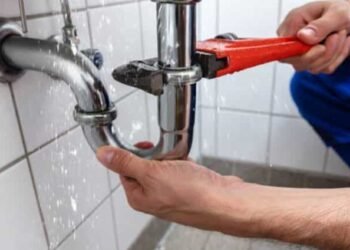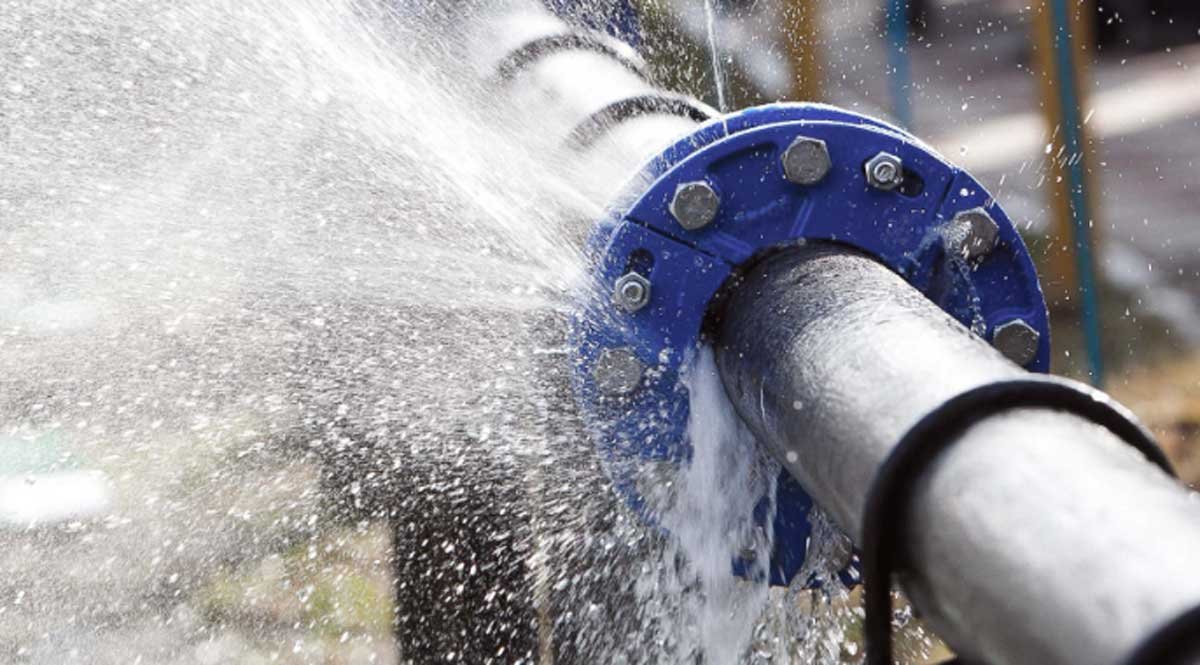
A burst pipe is one of those home problems that can go from bad to worse really fast. One minute, everything seems fine, and the next, you’re dealing with water spreading across floors, soaking into walls, and possibly dripping through ceilings.
And honestly, the longer the water sits there, the bigger the problem becomes. If moisture stays trapped inside your home, mold can start growing before you even realize it.
The good news? Acting quickly can make a huge difference. By removing water fast and drying the affected areas properly, you can limit the damage and keep mold from taking hold. Let’s walk through what you should do.
Why Burst Pipes Cause Serious Water Damage
When a pipe bursts, water doesn’t just stay in one spot. It spreads fast and can reach parts of the house you wouldn’t expect.
Rapid Water Spread
Water moves quickly through a home. It can soak into flooring, run along walls, and even drip down into rooms below.
For example, a pipe that bursts upstairs might leak into the ceiling below and eventually spread into nearby rooms. Before you know it, several areas of the house are already affected.
Hidden Moisture
One of the trickiest parts of water damage is that moisture often hides where you can’t see it. Water can get behind drywall, under flooring, and into insulation. Even if the surface looks dry, there may still be moisture trapped inside the materials. That hidden moisture is often what causes problems later on.
Mold Growth Risk
Mold loves damp environments. When surfaces stay wet for too long, mold can begin growing in as little as 24 to 48 hours. And once mold starts spreading, it becomes much harder to deal with. That’s why it’s so important to handle water damage as soon as possible.
First Steps to Take After a Pipe Bursts
If a pipe bursts in your home, the first thing you want to do is stop the water and prevent more damage.
Shut Off the Water Supply
Start by turning off the main water valve in your home. This stops more water from flowing through the broken pipe.
Most homes have a main shutoff valve near the water meter, basement, or outside wall. Knowing where it is ahead of time can save you a lot of stress during an emergency.
Turn Off Electricity in Affected Areas
If water is close to outlets, appliances, or electrical wiring, it’s safer to turn off the electricity in that area.
Water and electricity are obviously not a good mix. If the area is heavily flooded, it’s best to stay out and let a professional handle it.
Remove Standing Water
Next, start removing as much water as you can.
You can use things like:
- Towels or mops
- Buckets
- A wet/dry vacuum
The sooner you get rid of standing water, the less it will soak into floors and walls.
Call for Emergency Pipe Repair
Once the water is under control, the damaged pipe needs to be repaired. A professional can locate the break and repair a burst water pipe properly. This step is important because you don’t want the problem to happen again.
How to Dry Your Home After a Burst Pipe
After the pipe is repaired, the next step is drying everything out. Drying might sound simple, but it’s actually one of the most important parts of preventing mold.
Increase Air Circulation
Good airflow helps moisture evaporate faster. If the weather allows it, open windows and doors to bring in fresh air. You can also place fans around the room to move air across wet surfaces.
This helps speed up the drying process.
Use Dehumidifiers
Dehumidifiers help remove moisture from the air. Running one in the affected area can lower humidity and help materials dry faster. Sometimes it takes a few days for everything to fully dry out.
Remove Wet Materials
Some materials absorb a lot of water and don’t dry easily.
These may include:
- Carpet and padding
- Insulation
- Soaked drywall
If these materials stay wet for too long, they can start growing mold.
Dry Hidden Areas
Water often spreads into places you can’t see, like behind walls or under floors. In situations like this, special drying equipment may be needed to remove trapped moisture. That’s why many homeowners choose to call water damage restoration professionals after a major leak.
How to Prevent Mold Growth After Water Damage
Stopping mold is really about one thing, removing moisture as quickly as possible.
Act Within the First 24–48 Hours
The first two days after water damage are critical. If the area dries quickly, mold usually doesn’t get the chance to grow. But if moisture stays around longer than that, mold can start forming.
Clean and Disinfect Surfaces
After drying the area, it’s a good idea to clean surfaces that were exposed to water. Use a household cleaner or disinfectant to wipe down floors, baseboards, and walls. This helps remove dirt and reduce the chance of mold spores spreading.
Monitor Humidity Levels
Humidity inside the home should stay below 50 percent whenever possible. If the air stays too humid, moisture will stick around longer. Using fans and dehumidifiers can help keep humidity under control.
Inspect for Hidden Moisture
Even after cleanup, take a little time to check areas where water might have traveled. Look inside closets, under cabinets, and along baseboards. If something still feels damp, it probably needs more drying.
Signs Mold May Be Developing
After water damage, it’s smart to keep an eye on things for a while. Sometimes mold doesn’t show up right away.
Musty Odors
A strong, musty smell is often the first sign that mold might be growing somewhere. That smell usually comes from damp areas where moisture is trapped.
Dark Spots or Discoloration
Mold often appears as small spots on walls or ceilings. It can look black, green, or even brown. If you start noticing new spots appearing after water damage, it’s worth investigating.
Persistent Dampness
If an area of your home still feels damp days after cleanup, there may still be hidden moisture.
And unfortunately, that’s exactly the type of environment where mold grows.
When to Call Water Damage Restoration Professionals
Sometimes water damage is simply too large to handle alone.
You may want professional help if:
- Large parts of the home were flooded
- Water soaked into walls or flooring
- The leak went unnoticed for a long time
- Mold has already started appearing
A trusted water damage restoration company uses equipment designed specifically for drying homes. This includes high-powered air movers, large dehumidifiers, and moisture detection tools. These tools help remove moisture from areas you might not even realize are wet.
Tips to Prevent Future Burst Pipes
Of course, the best way to avoid water damage is to prevent pipes from bursting in the first place.
Insulate Exposed Pipes
Pipes located in basements, attics, or crawl spaces are more likely to freeze during cold weather. Adding insulation helps protect them from freezing temperatures.
Keep Your Home Warm in Winter
During colder months, keep your home heated even if you’re away. When indoor temperatures drop too low, pipes are more likely to freeze and eventually burst.
Seal Cracks and Drafts
Cold air can enter through small gaps around windows, doors, or foundation walls. Sealing those openings helps keep pipes warmer and reduces the risk of freezing.
Schedule Plumbing Inspections
Regular plumbing inspections can help catch weak or aging pipes before they fail. A professional plumber can spot early signs of corrosion, leaks, or loose connections.
Conclusion
A burst pipe can quickly turn into a major water damage problem if it isn’t handled right away. The key is acting fast. Shutting off the water, removing standing water, and drying affected areas can go a long way in protecting your home.
Keeping humidity low and checking for hidden moisture can also help stop mold before it starts. And if the damage is more than you can manage on your own, bringing in water damage restoration professionals can help make sure your home is fully dried and safe again.