Logistics has changed a lot in recent years. New trailer technology is helping businesses move goods faster, safer, and more efficiently. Companies are looking for ways to save time, reduce costs, and meet the growing demands of customers.
Modern trailers are more than just containers for cargo. They come with smart features that improve every step of the supply chain. This article explores some innovative uses of trailer technology in today’s logistics industry.
Smart Trailer Tracking
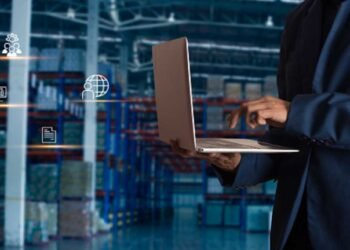
One of the biggest changes in logistics is the use of smart trailer tracking. GPS devices and sensors are now standard in many trailers. These tools allow companies to know the exact location of their cargo at all times.
Real-time tracking helps prevent theft and loss. It also allows logistics managers to plan routes more efficiently. Some trailers even send alerts if there is a sudden stop, tilt, or break-in attempt, and this technology reduces delays and improves the safety of goods during transit.
Temperature-Controlled Trailers
Certain goods, like food and medicine, need strict temperature control. Modern trailers come with advanced refrigeration and heating systems. These systems can adjust the temperature automatically depending on the cargo inside.
Sensors monitor conditions constantly and send updates to operators. Temperature-controlled trailers reduce spoilage and maintain product quality. They are especially useful in global supply chains.
This is where long-distance transportation can take days. Companies can now deliver the following reliably:
- Fresh produce
- Frozen food
- Sensitive medical supplies
Expandable and Specialized Trailers
Trailers are no longer a one-size-fits-all solution. Many trailers are now designed to expand or change configuration to carry different types of cargo.
For example, extendable trailers can carry longer items. This is without the need for multiple vehicles. Low-bed trailers can transport heavy machinery safely.
Even trailers with modular walls allow for loading different types of products in the same trip. A popular option, the Drop Deck Trailer, allows for lower deck loading, and this makes it easier to transport tall and oversized items. Such specialized trailers reduce the need for multiple trips and save on fuel costs.
Automation and Loading Assistance
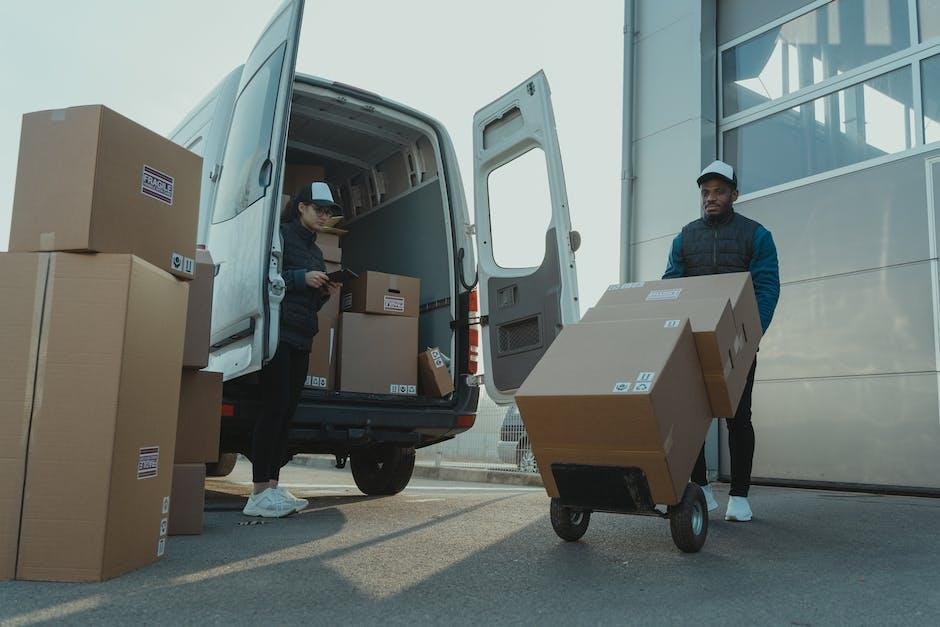
Modern trailers are also improving how cargo is loaded and unloaded. Automated lift systems and hydraulic ramps are becoming common. Some trailers have sensors that guide workers, and this is during loading to prevent damage to goods.
Automation reduces the time trucks spend at warehouses and shipping docks. It also lowers labor costs and decreases the chance of injury. These features make logistics faster and more reliable, and this is especially when handling heavy or fragile items.
Energy Efficiency and Sustainability
Fuel efficiency is a major concern in logistics. Trailer manufacturers are developing designs that reduce drag and improve aerodynamics. Lightweight materials such as aluminum and composites help reduce the weight of trailers.
Some trailers even use solar panels to power refrigeration units or interior lights. These energy-saving features cut fuel consumption and reduce greenhouse gas emissions.
Sustainable trailers are becoming important. This is especially as companies aim to meet environmental standards. This also lowers their carbon footprint.
All About Trailer Technology in Modern Logistics
Trailer technology is transforming modern logistics in many ways. Trailers are now equipped to handle the demands of a fast-moving global market. This is from smart tracking to energy-efficient designs.
They make transportation safer, faster, and more reliable. Businesses can reduce costs while delivering goods on time. Trailers will play an even bigger role in the efficiency and sustainability of logistics, and this is as technology continues to evolve.
If you’d like to learn more, check out more articles on our blog.