Hot, humid days can overwhelm your body’s natural cooling systems faster than you might expect. Recognizing early warning signs and acting quickly can prevent a mild heat problem from turning into a medical emergency. Public health guidance emphasizes three essentials on hot days: stay cool, stay hydrated, and know the symptoms that should prompt medical care.
Early Clues Your Body Is Overheating
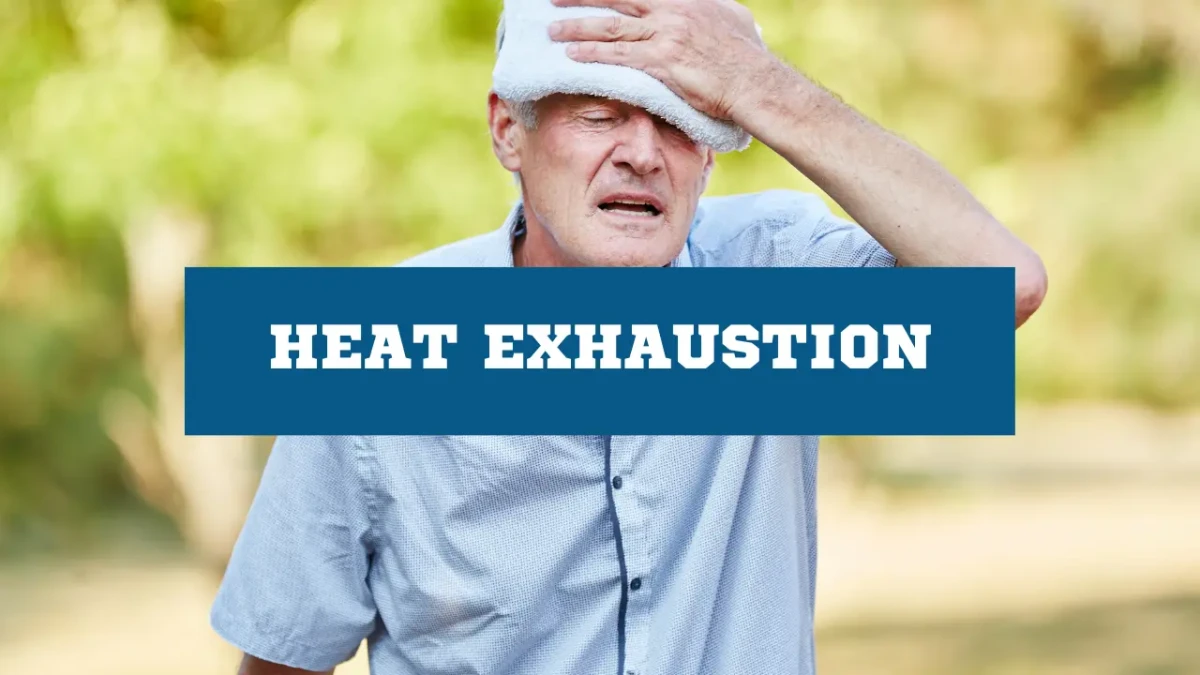
Heat exhaustion often begins with subtle signals that are easy to brush off. Common symptoms include heavy sweating, headache, nausea, dizziness, weakness, irritability, excessive thirst, a slightly elevated body temperature, and decreased urine output. Skin may feel cool and clammy and the pulse may be fast and weak. These symptoms reflect the body’s response to losing water and salt through sweat in hot conditions.
If you are outdoors or in a hot indoor environment, pay close attention to any cluster of these signs. Educational materials from the Centers for Disease Control and Prevention list heavy sweating, cramps, tiredness, fainting, and cool moist skin among the classic indicators that your body is struggling to keep up with the heat. Without timely cooling and hydration, heat exhaustion can progress.
Heat Exhaustion Versus Heat Stroke
It is important to distinguish heat exhaustion from heat stroke, which is a life‑threatening emergency. Heat stroke occurs when the body can no longer regulate its temperature. Warning signs include confusion or altered mental status, slurred speech, loss of consciousness, seizures, very high body temperature, and skin that may be hot and dry or drenched with sweat. Body temperature can rise to 106°F or higher within minutes. Immediate emergency treatment is critical.
By contrast, heat exhaustion typically presents with profuse sweating, weakness, nausea or vomiting, dizziness, and a fast weak pulse. It is serious but usually responds to prompt cooling and fluid replacement. If symptoms worsen or last more than one hour, or if vomiting or mental status changes occur, medical evaluation is recommended because heat exhaustion can progress to heat stroke.
First Aid Steps That Buy You Time
At the first sign of heat exhaustion, move to a cooler, shaded, or air‑conditioned space. Loosen or remove unnecessary clothing and apply cool wet cloths to the head, neck, armpits, and groin. If possible, wash the head, face, and neck with cool water or take a brief cool shower or bath. Encourage frequent sips of cool water or an electrolyte beverage if the person is able to drink without nausea. A support person should remain nearby to monitor symptoms.
Field guidance from NIOSH summarizes the priority clearly: cooling is key. Stop activity, get cool, drink fluids, and treat altered mental status as a red flag that requires immediate medical care. If symptoms do not improve quickly, if vomiting prevents oral hydration, or if there is any confusion, call 911. Rapid cooling is the first priority for suspected heat stroke.
Prevention Habits for Hot Days
A few habits make heat exhaustion far less likely. Hydrate consistently and do not wait until you feel thirsty. Lightweight, light‑colored, loose clothing helps sweat evaporate, and planning activity for cooler parts of the day reduces strain. When indoors without air conditioning, rely on fans only below about 90°F. Above that, fans can move hot air without cooling the body effectively, so seek air‑conditioned spaces, take cool showers, or use cooling centers.
Check the forecasted Heat Index to gauge how temperature and humidity raise your risk. The National Weather Service explains that the Heat Index reflects how hot it feels when humidity is factored into air temperature and publishes risk categories and activity guidance to help you decide when to modify plans.
When To Seek In‑Person Care
If you need prompt care for dehydration or heat‑related symptoms, visit a walk‑in urgent care clinic in South Tampa or the nearest urgent care center. These centers are open seven days a week with extended hours, offering same‑day evaluation, on‑site testing, and treatment for non‑life‑threatening conditions so you do not delay care. Call 911 for severe symptoms such as confusion, collapse, or a very high body temperature.
A Quick Checklist You Can Use Today
- Know your early signs. Heavy sweating, cramps, headache, nausea, dizziness, and weakness signal that your cooling system is under strain.
- Act fast. Move to a cool place, loosen clothing, apply cool wet cloths, and sip water. Stay with the person and monitor symptoms.
- Recognize emergencies. Confusion, loss of consciousness, seizures, or very hot skin indicate heat stroke. Call 911 and start rapid cooling.
- Plan ahead. Check the Heat Index each morning and schedule work or training during cooler hours. Hydrate before, during, and after activity.
Conclusion
Heat exhaustion is preventable and highly manageable when you catch it early. Learn the warning signs, respond with immediate cooling and hydration, and avoid the hottest periods of the day when possible. Use forecast tools like the Heat Index to plan ahead, check on people at higher risk, and do not hesitate to seek care if symptoms persist or escalate. Small, timely actions can keep a hot day from becoming an emergency.