Wednesday, January 14, 2026
Mitmunk
  • Home Improvement
  • Finance
  • Lifestyle
  • Business
  • Seo Digital
  • Auto
  • Law
  • Health
  • Other
    • Travel
    • Outdoor
    • Fashion
    • Entertainment
    • Construction
    • Education
    • Tech
    • Pet
    • Real Estate
No Result
View All Result
  • Home Improvement
  • Finance
  • Lifestyle
  • Business
  • Seo Digital
  • Auto
  • Law
  • Health
  • Other
    • Travel
    • Outdoor
    • Fashion
    • Entertainment
    • Construction
    • Education
    • Tech
    • Pet
    • Real Estate
No Result
View All Result
MitMunk
No Result
View All Result
Home Tech
Riding Through the Cold: How Heated Motorcycle Gear Keeps You Safe and Comfortable

Riding Through the Cold: How Heated Motorcycle Gear Keeps You Safe and Comfortable

Share on FacebookShare on Twitter

Motorcycling isn’t just a summer activity. For many riders, it’s a year-round lifestyle—one that doesn’t stop when temperatures drop. But staying safe and comfortable during colder months requires more than just layering up. That’s where heated motorcycle gear comes into play. With the right setup, winter riding becomes not only bearable but enjoyable.

Heated gear has become an essential part of many riders’ kits. It extends the riding season, improves comfort, and—perhaps most importantly—reduces cold-related fatigue and distractions that can compromise safety. Whether you’re commuting, touring, or just hitting the open road on a chilly weekend, understanding the value and versatility of heated gear is key to making the most of your ride. And with innovative companies like Kemimoto supporting this evolution in rider apparel, options are more advanced and accessible than ever.

Table of Contents

Toggle
  • The Real Challenges of Cold-Weather Riding
  • What Is Heated Motorcycle Gear?
  • Benefits Beyond Comfort
    • 1. Extended Riding Season
    • 2. Improved Safety
    • 3. Layer Reduction
    • 4. Even Heat Distribution
  • What to Consider When Choosing Heated Gear
  • Who Benefits Most from Heated Gear?
  • Final Thoughts

The Real Challenges of Cold-Weather Riding

Riding in cold weather is more than just uncomfortable—it can be dangerous if you’re not properly prepared. Unlike in a car, motorcyclists are exposed to the full brunt of wind, rain, and freezing temperatures. Without adequate protection, the body loses heat quickly, and that can affect both physical and mental performance.

Here’s what cold weather does to a rider:

  • Reduces reaction time: Cold muscles and stiff joints respond more slowly, which can delay braking and steering input.
  • Impacts focus: When you’re focused on how cold your fingers are, you’re not fully focused on the road.
  • Causes fatigue: Constant shivering and tension from the cold can wear you down quickly, making long rides exhausting.
  • Leads to safety risks: Numb hands can make throttle control difficult, and poor circulation can increase the risk of frostbite during extended exposure.

That’s why heated gear isn’t a luxury—it’s a tool for performance and safety.

What Is Heated Motorcycle Gear?

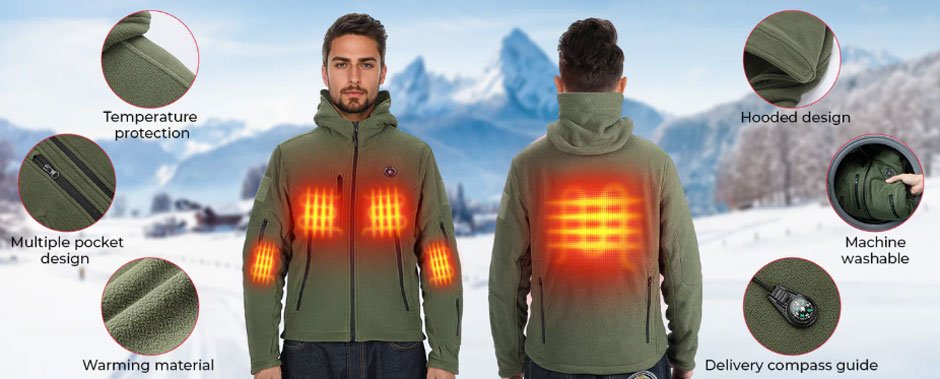
Heated motorcycle gear uses built-in electric heating elements powered by the motorcycle’s battery or a portable power source. These elements are thin, flexible wires embedded into the gear—usually around areas most susceptible to cold, like the chest, back, arms, fingers, and toes.

Types of heated gear include:

  • Heated jackets or vests: These keep your core warm, helping regulate overall body temperature.
  • Heated gloves: Crucial for dexterity, heated gloves help maintain grip and brake control in freezing temps.
  • Heated pants or liners: These target the legs and hips, ideal for long-distance or highway riding.
  • Heated insoles or socks: These protect your feet, which can get dangerously cold even in insulated boots.

Many systems allow riders to control temperature settings via a remote or built-in switch, giving them full control depending on weather and speed.

Benefits Beyond Comfort

While heated gear undeniably makes riding in winter more comfortable, its benefits go deeper:

1. Extended Riding Season

For many riders, heated gear makes it possible to keep commuting or enjoying weekend rides through fall, winter, and early spring. This means fewer months where your bike sits in the garage and more time on the road.

2. Improved Safety

As mentioned earlier, warm gear keeps you focused, alert, and agile. When your hands and core are warm, your body can perform better, and your reaction time stays sharp.

3. Layer Reduction

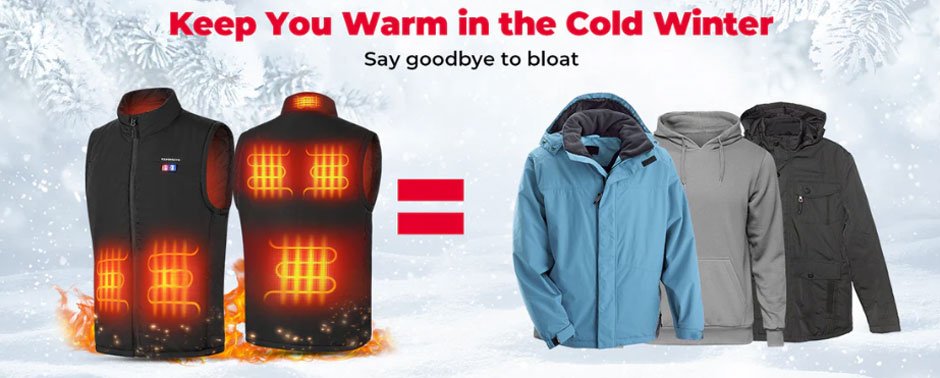
With effective heated gear, you can wear fewer bulky layers. This means better mobility and less restriction—no more feeling like a stuffed snowman when you mount your bike.

4. Even Heat Distribution

Unlike traditional layering, which can trap heat unevenly and cause sweating, modern heated gear offers balanced warmth that you can control. No more cold spots or overheating.
Riding Through the Cold: How Heated Motorcycle Gear Keeps You Safe and Comfortable

What to Consider When Choosing Heated Gear

If you’re thinking about investing in heated motorcycle gear, here are some important considerations:

  • Power Source: Some gear plugs directly into the bike, while others use rechargeable battery packs. Consider how long you ride and what’s more convenient for your setup.
  • Weather Resistance: Waterproof or windproof outer layers add another level of protection. Look for gear that combines insulation with electric heating.
  • Compatibility: Make sure all your heated pieces can connect to the same power source or are designed to work together.
  • Safety Features: Auto shut-off functions and temperature limiters can help prevent overheating or short circuits.
  • Fit and Comfort: Heated gear should fit snugly to allow heat transfer but not so tightly that it restricts movement or blood flow.

Many riders trust brands like Kemimoto because of their focus on rider-focused design—balancing safety, comfort, and technical innovation.

Who Benefits Most from Heated Gear?

While heated gear is useful for all motorcyclists in colder climates, it’s especially valuable for:

  • Commuters: Daily riders who can’t avoid bad weather need reliable warmth for safety and comfort.
  • Touring Enthusiasts: Long-distance rides mean extended exposure to wind chill. Heated gear can make or break a trip.
  • Adventure Riders: Off-road or backcountry riders often encounter sudden temperature drops—gear that adjusts quickly to conditions is essential.
  • Cold Climate Riders: In northern regions, heated gear is almost non-negotiable if you want to ride safely outside of summer.

Final Thoughts

Motorcycling is about freedom, but that freedom shouldn’t be limited by the weather. With heated motorcycle gear, you can take back control of your riding season, protect your health, and maintain performance on the coldest days.

As technology continues to evolve and manufacturers like Kemimoto innovate to meet the needs of real riders, heated gear is becoming more efficient, comfortable, and user-friendly. So if you’ve ever cut a ride short because your fingers went numb or stayed home because of frost on the ground, it might be time to heat things—literally. Winter doesn’t have to end your ride. It just needs the right gear. Get more for less with Kemimoto! Enter “kemi12” and score an extra 15% off sitewide—hurry before the offer expires.


Related Posts

Reducing Risk in Complex Digital Ecosystems

Reducing Risk in Complex Digital Ecosystems

by Emily Stevens
January 8, 2026
0

In a hyperconnected world, organizations operate within digital ecosystems that are increasingly complex and interdependent. From cloud platforms and on-premise...

How to Ship a Car to Another State: A Simple, Practical Guide

How to Ship a Car to Another State: A Simple, Practical Guide

by Emily Stevens
December 22, 2025
0

Shipping a car to another state can feel overwhelming if you’ve never done it before. Whether you’re relocating for work,...

The Technology Powering Modern Medical Imaging

The Technology Powering Modern Medical Imaging

by Emily Stevens
December 11, 2025
0

Medical imaging has reshaped how healthcare professionals understand the human body. Instead of relying solely on physical symptoms or exploratory...

POPULAR NEWS

Delores Miller Clark

Delores Miller Clark: Learn More about John List’s Ex-Wife

September 27, 2022
Lisa Seal Frigon

Lisa Seal Frigon: All about Drug Lord Barry Seal’s Daughter

September 18, 2022
Deserai Anderson Utley Personal Life, Career, & More

Deserai Anderson Utley Personal Life, Career, & More

September 30, 2022
Linnell S. Nobori

Linnell S. Nobori: All there is to Know about Ted Bessell’s Wife

September 5, 2022
Gweneth Gonzales Thomas

What You May Not Know About Gweneth Gonzales Thomas, Richard Thomas’ Daughter

August 2, 2022

EDITOR'S PICK

A sump pump is an appliance in your home’s plumbing system. Recognizing issues with this device allows you to get them addressed promptly. Whether it makes loud noises, runs continuously, or doesn’t power on, professional plumbers can diagnose and fix the problem. Here is more information about what a sump pump does and when to call your plumber for repair: The Purpose of a Sump Pump A sump pump collects and discharges excess foundational groundwater to a designated area. It prevents water from accumulating in your basement, safeguarding your home against floods and water damage. This appliance is located in a sump basin, a naturally constructed pit usually dug in the basement. During heavy rainfall, the soil around your home becomes oversaturated. Without proper drainage, this water will eventually funnel into your basement, leading to basement flooding. Excess groundwater flows towards the sump basin. The sump pump float switch detects this and alerts the pump as the water level gets high. This allows the pump to move water from the sump basin through the discharge pipe. The pipe discharges this water into a dry well, detention pond, or storm drain. Sump pumps can also be effective if the soil around your home is excessively damp due to broken underground pipes. By leading groundwater away into a designated area, a sump pump keeps your home dry. It protects your paint and home appliances while keeping your house intact. It also prevents moisture-related issues that may cause fungus, mildew, and mold growth. When To Call a Plumber for Repair Knowing when to call plumbers to repair your sump pump can prevent structural damage and other water-related issues. Here are the warning signs indicating it’s time to bring a professional to repair your sump pump: Runs Continuously Your sump pump should only run when needed. After pumping the water out, the float switch deactivates the pump. If the pump cycles constantly, there could be a problem with the switch or float arm mechanism. These devices can malfunction if your pump shifts in the basin. This issue can cause the switch to get stuck in the on position. It can also run nonstop if you have a blocked discharge pipe. A plumber will inspect and adjust the float switch within the basin if necessary. If the problem stems from a blocked discharge pipe, the plumber will unblock it to eliminate the clogs. Loud or Strange Noises The pump makes a soft humming sound when activated. Excessive or strange noises from your sump pump mean it’s time to call a plumber for repair. A defective motor could be the culprit if you notice clunking, grinding, or rattling sounds. Professional plumbers will inspect the components and repair or replace them. You may also notice that your pump vibrates when activated. Excessive vibration could result from a bent or damaged impeller. A plumbing team will repair or replace the bent impeller to prevent the pump from vibrating. Storm Drain Backups Backflow or storm drain backup is another sign that you need to call your plumber. A malfunctioning sump pump will increase the risk of flooding. A backflow can occur if there’s a blockage in the discharge pipe. Another possible cause of a backflow is an improperly installed or damaged check valve. Your plumber will unblock the discharge pipe or install the check valve properly to resolve this issue. Failure To Turn On A sump pump that won’t power on could indicate several issues. If the float switch is stuck in the off position, it won’t activate the pump when needed. Electrical failure, including a failed motor or tripped circuits, could also be to blame. Licensed plumbers will examine the sump pump system and the power source to determine the cause. They may repair or replace the motor if it’s the culprit. Call Professional Plumbers for Sump Pump Repair Maintaining the condition of your sump pump is a great way to safeguard your home’s structural integrity. Although your sump pump can last up to many years, it can malfunction prematurely and put your home at risk of water damage. This is where professional plumbers come in. A plumbing team will examine the sump pump system to locate and fix the problem. Contact your plumbing company today for expert sump pump repair.

The Purpose of a Sump Pump and When to Call a Plumber for Repair

March 28, 2024
Attending SEO Conferences

Top Benefits of Attending SEO Conferences with Industry-Leading Speakers

May 15, 2023
Top Trends in Dentistry

Top Trends in Dentistry: From Cosmetic Enhancements to Preventive Care

August 27, 2024
Why do Australian students need assignment help for good academic scores

Why do Australian students need assignment help for good academic scores?

September 18, 2022
Contact Us: Info@mitmunk.com

© 2022 Mitmunk Theme Copyright

No Result
View All Result
  • Homepages
    • Home Page 1
  • Business
  • Entertainment
  • Fashion
  • Health
  • Lifestyle
  • Tech
  • Travel

© 2022 Mitmunk Theme Copyright