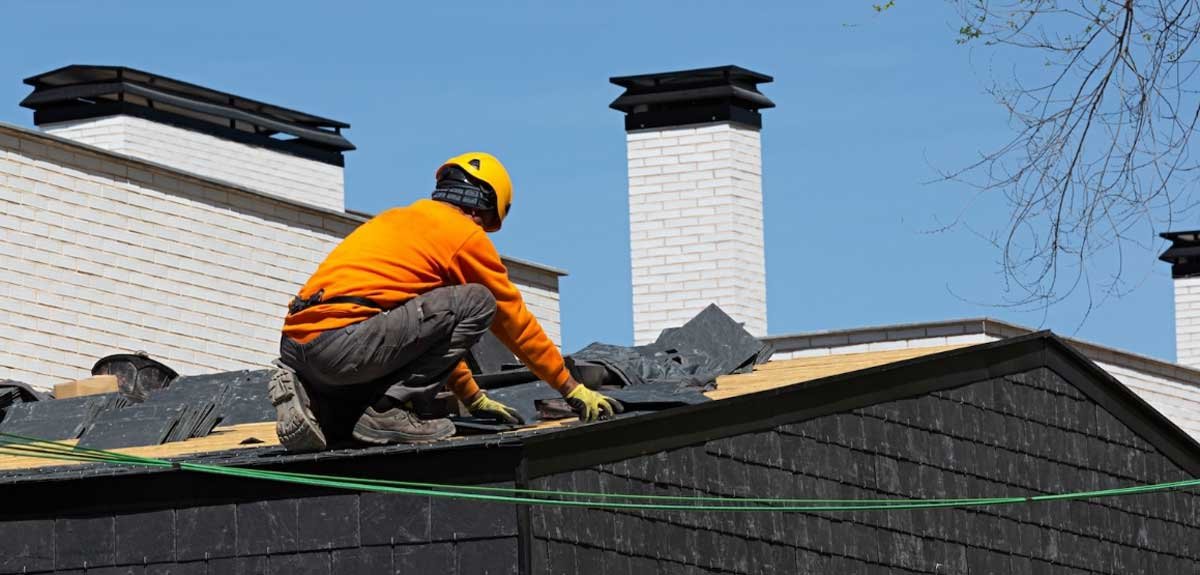
Georgetown weather can be tough on a roof, even when the house looks perfectly fine from the street. Hot summers bake shingles, sudden storms push wind-driven rain into weak spots, and hail can leave damage that is easy to miss until a leak shows up weeks later. A roof is also one of the most expensive parts of the home to replace, which is why small maintenance habits tend to pay off in a big way. A little attention now usually beats a rushed repair when the forecast turns ugly.
Good roofing care does not have to feel technical or overwhelming, especially if you focus on the few areas that cause most problems. The goal is to catch wear early, manage water properly, and avoid the small conditions that shorten a roof’s lifespan. Safety matters too, since steep pitches and slick shingles are not a weekend hobby for most homeowners. These tips are designed to help you know what to watch for as a quality roofer in Georgetown, TX.
Start with a Seasonal Roof Check
A quick seasonal check is one of the simplest ways to prevent expensive repairs, because most roofing issues start small and quietly get worse. Spring is a good time to look for storm wear and clogged drainage, while late summer is a smart time to prepare for the next round of heavy rain and wind. From the ground, look for missing shingles, lifted edges, uneven roof lines, and exposed nail heads that can let water in. Inside the house, check ceilings for faint stains and check the attic for damp wood, musty odors, or daylight peeking through places that should be sealed.
What Should You Look for after Hail or High Winds?
Hail damage is not always dramatic, which means a roof can be compromised even when you do not see obvious holes or missing sections. Look for dented vents, bruised shingles that appear darker or feel soft to the touch, and granules collecting in gutters or at downspout exits, since granule loss can speed up aging in the Texas heat. Wind damage often shows up as creased shingles, lifted corners, or flashing that has pulled away around chimneys and roof-to-wall transitions. Pay attention to areas that catch wind, like ridgelines, eaves, and roof edges, because those zones tend to fail first. If you suspect storm damage, photos from the ground can help document changes without putting you on the roof.
Keep Water Moving with Clean Gutters and Downspouts
Roofing problems in Georgetown often trace back to water that cannot drain properly, because overflow can soak fascia boards, push water behind flashing, and create leaks near the edge of the roof. Gutters should be cleared often enough that leaves, shingle granules, and roof debris do not form a dam, especially after storms and during heavy leaf seasons. Downspouts should discharge far enough from the foundation that water does not pool at the base of the home, since standing water can create humidity that affects the roof system from below. A simple habit of checking gutters after big rain events can prevent issues that look like roof leaks but actually start with drainage.
Is Your Attic Ventilation Doing Its Job?
Attic ventilation matters more than many homeowners realize, because trapped heat and moisture can shorten shingle life and stress the roof deck over time. In Georgetown summers, a poorly ventilated attic can run extremely hot, which can bake shingles from below and make the home harder to cool. Moisture is the other problem, since bathrooms, kitchens, and everyday living create humidity that can condense on wood and insulation if airflow is weak. A healthy attic typically has balanced intake and exhaust ventilation, insulation that is not blocking airflow at the eaves, and no signs of mold or wet spots on rafters.
Tree and Debris Control Protects Shingles and Flashing
Overhanging branches are more than a nuisance, since they scrape shingles, drop debris into valleys, and create shaded damp spots where algae and moss can take hold. Trimming branches back reduces physical wear, keeps gutters cleaner, and lowers the chance of limb impact during storms. Debris piles in valleys and behind roof features can also trap moisture, which breaks down roofing materials faster than sun alone. A clean roof surface helps water shed as designed, which is a quiet advantage that adds years over the life of the system.
How Do You Choose the Right Roofer in Georgetown?
A good roofer will ask smart questions about your home, your roof’s age, recent storm events, and any interior signs you have noticed, because diagnosis should start with context, not assumptions. Look for clear communication about what they found, what needs immediate repair, and what can reasonably be monitored, since quality contractors do not treat every issue like an emergency replacement. Written estimates should spell out labor, materials, disposal, and the scope of work in plain terms, including how flashing, vents, and underlayment will be handled. A reliable roofer will also explain timelines and weather contingencies, which is important in Texas where storms can shift schedules quickly.
Credentials matter, yet behavior matters too, since professionalism shows up in how a company documents the job and protects your property. Ask how they handle roof decking that turns out to be damaged once shingles are removed, because surprises happen and the plan should be clear before work begins. Ask what warranty covers workmanship versus manufacturer materials, since those are different protections with different limitations. Pay attention to whether they explain safety, cleanup, and nail control around the yard, because the small details often reveal how the rest of the job will go.
A Simple Plan That Keeps Your Roof Ready
A roof in Georgetown, TX tends to last longer when you treat it like a system, which means you watch drainage, ventilation, surface wear, and storm impacts instead of waiting for a leak to force action. Seasonal checks, post-storm observation, clean gutters, healthy attic airflow, and basic tree control cover the majority of issues that shorten roof life. When something looks questionable, documentation and a professional inspection can provide clarity without guesswork. The best outcome is a roof you rarely think about, because it is doing its job quietly through every hot day and every sudden storm.