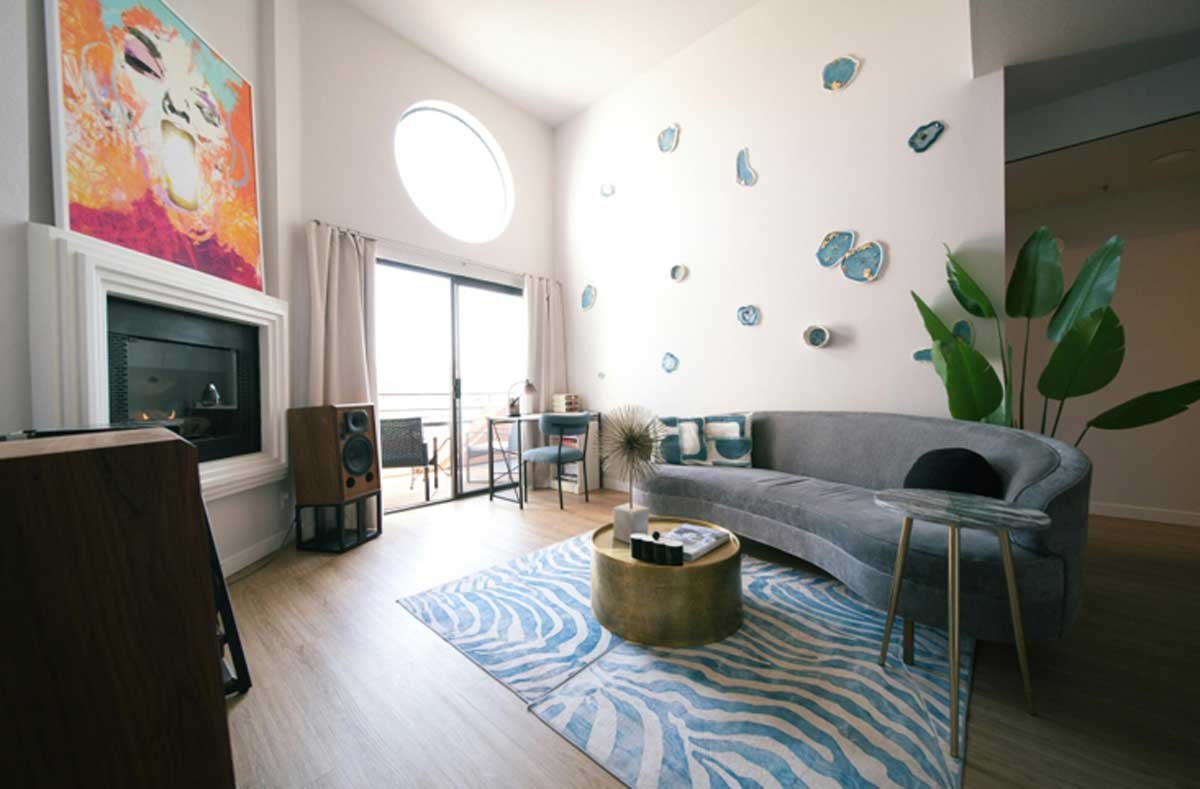
For students living off-campus, space is often limited. Small apartments or shared houses can feel cramped if not designed well. That’s why space-saving floor plans are becoming more popular.
Smart layouts, multifunctional furniture, and clever storage can make even tiny spaces comfortable, functional, and affordable. With the right approach, students can have an efficient home that supports both studying and relaxing. Read on.
Open-Concept Layouts
An open-concept layout combines the living room, kitchen, and dining area into one open space. This makes the apartment feel bigger and brighter. You can still separate areas without walls-use a bookshelf, sofa, or rug to create different zones for:
- studying
- eating
- relaxing
Open layouts also let natural light flow through the apartment, which makes it feel more spacious. Adding mirrors to the walls or using light-colored furniture can enhance the sense of openness even more. Check out student apartments in Berkeley, CA, to learn more.
Vertical Living Solutions
Vertical solutions make use of the height of a room. Lofted beds or mezzanines lift the bed off the floor, leaving space underneath for a desk, seating, or storage. Wall-mounted desks, shelves, and fold-down beds also save floor space.
These ideas are especially useful in studio apartments or micro-units where every square foot matters. Even small vertical storage racks or hanging organizers in closets can free up a lot of room and keep belongings organized.
Multipurpose Furniture
Furniture that does more than one job is a must in small spaces. Examples include:
- Sofas that turn into beds
- Tables that can expand or fold
- Beds with drawers underneath for storage
- Chairs with hidden compartments
Multipurpose furniture lets you use the same space for different activities-studying, eating, or relaxing-without clutter. It also makes moving furniture or rearranging a room much easier. This is helpful for students who like to adapt their living space during the semester.
Shared Housing Strategies
If you share an apartment, good floor plans balance private and shared spaces. Private areas like bedrooms should give personal space. Shared areas like kitchens, bathrooms, or study zones should be compact but functional.
Plan pathways carefully so roommates can move around without bumping into each other. Adding hooks, cubbies, or personal lockers in shared spaces can help keep belongings organized and reduce conflicts.
Smart Design and Technology
Small apartments can also benefit from modern tech and design tricks. Wall-mounted appliances save counter space. Foldable partitions can create privacy when needed. Smart lighting can make rooms feel larger.
Modular furniture can be reconfigured for different needs. Cable management systems keep electronics tidy.
Using these smart solutions can make a tiny apartment feel like a fully functional home. Even small details like under-bed lighting or stackable storage bins can make daily life much easier.
Turning Space into Comfort
Space-saving off-campus housing is all about using every inch wisely. Open layouts, vertical designs, multipurpose furniture, shared housing strategies, and smart technology all help small apartments feel bigger and more comfortable.
By carefully planning the floor plan and choosing furniture wisely, even tiny units can support both academic success and relaxation. With these ideas, students can live efficiently, stay organized, and enjoy their off-campus home to the fullest.
If you want to read more articles, visit our blog.