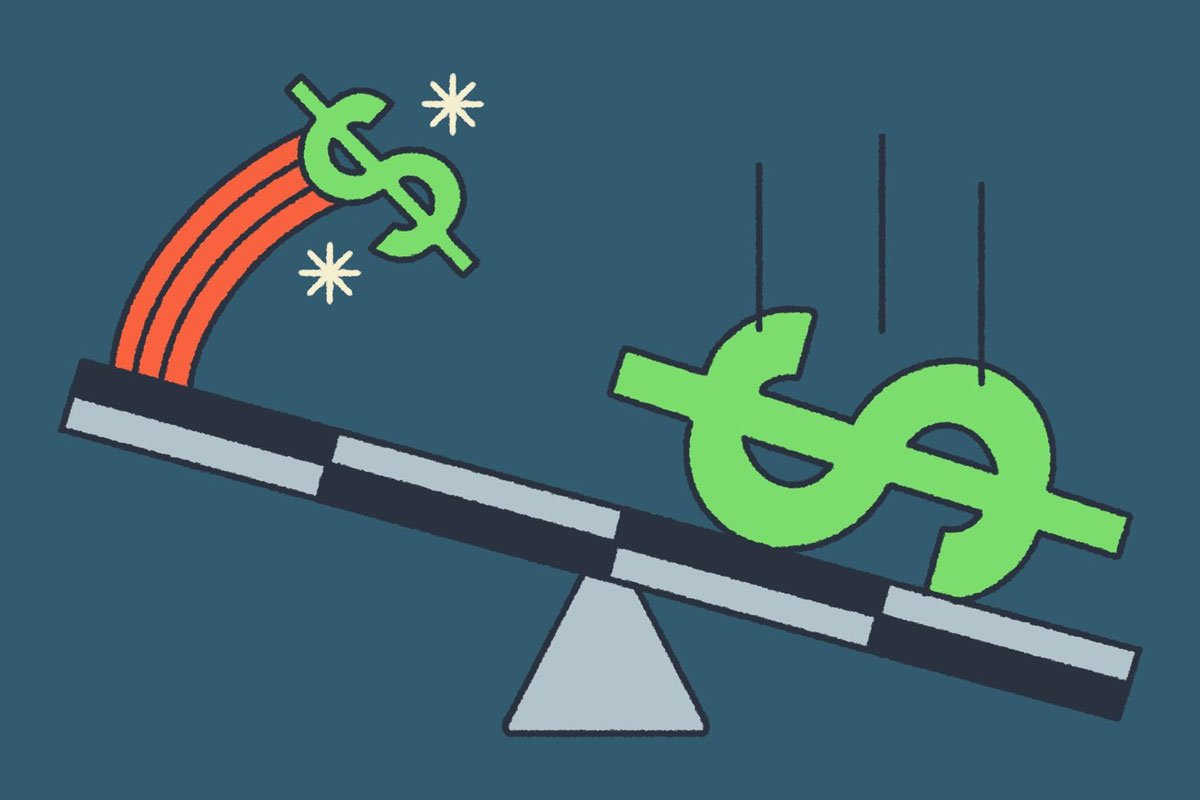
Understand the Importance of Rebalancing
Staying disciplined in your investment approach means not letting emotions dictate your moves. Regular rebalancing is a cornerstone for managing portfolio risk and maximizing returns over time. As markets shift, the value of your assets will change, sometimes leaving you with a risk profile very different from what you originally intended. This is where portfolio rebalancing comes into play, helping you regain the right balance and stay true to your investment objectives.
When neglected, asset allocations drift, exposing you to risks you may not have intended. For instance, a surge in stock prices could make equities a much larger portion of your portfolio, increasing overall risk. According to experts, rebalancing ensures that you maintain your desired mix, thereby controlling your exposure to market volatility and keeping you on track for your long-term goals.
Set Your Target Asset Allocation
The cornerstone of a sound investment strategy is a clear, well-defined asset allocation. Decide among core categories like stocks, bonds, and cash, and determine the proportions that match your risk tolerance, time horizon, and financial targets. This specific asset mix serves as your portfolio’s blueprint and guides all future investment decisions.
Your optimal allocation should always reflect your unique needs and can shift as your goals or risk appetite evolve. Using a target allocation also acts as a measuring stick for rebalancing efforts.
Choose a Rebalancing Strategy
Once you have your asset allocation mapped out, select a rebalancing strategy that suits your needs. There are two main approaches to consider:
- Time-Based Rebalancing: This strategy involves adjusting your portfolio back to target allocations on a regular schedule, such as quarterly or annually. It is straightforward, though it can sometimes result in unnecessary trades if your holdings have not deviated much from your targets.
- Threshold-Based Rebalancing: With this approach, you rebalance only when an asset class moves outside a set percentage range (e.g., 5% or 10%) from your target. Experts suggest this method can be more efficient and cost-effective, as it is more responsive to actual market movements and portfolio drift.
Review Your Portfolio Regularly
Regularly reviewing your portfolio is critical for effective rebalancing. Monitoring lets you catch allocation drift early and take action before it creates unintended risk. Utilize portfolio management software, online brokers, or spreadsheets to track the weightings of each asset class. Setting calendar reminders for quarterly or annual reviews can help ensure you stay proactive and disciplined.
A review also offers the chance to evaluate whether your financial situation or goals have changed. If so, update your target allocation accordingly, which might require a more in-depth adjustment than standard rebalancing.
Execute Rebalancing Transactions
When the time comes to rebalance, your actions will depend on where your allocations have shifted. Reduce weightings in asset classes that have grown beyond your targets by selling portions of those assets. Conversely, strengthen your position in underweighted areas by adding new investments there. This may mean selling off assets that have performed well and buying those that have lagged, following the “buy low, sell high” principle.
Consider transaction costs and tax impacts, which can erode your returns if not managed properly. Minimize unnecessary trades to reduce costs, and whenever possible, use dividends and new contributions to buy underweighted assets rather than selling overweight ones.
Managing Transaction Costs
Every investment move has costs, including trading fees and bid-ask spreads. Reducing unnecessary trades can help preserve returns. Many expert advisers suggest using cash flows and dividend reinvestments to rebalance portfolios and avoid these expenses where possible, as noted by The Wall Street Journal.
Consider Tax Implications
Taxes play a major role in portfolio rebalancing, especially for taxable investment accounts. Selling appreciated assets generates capital gains, which can increase your tax bill. To reduce taxes:
- Prioritize rebalancing in tax-advantaged accounts such as IRAs or workplace retirement plans, where capital gains are deferred.
- Leverage tax-loss harvesting by selling underperforming assets at a loss to offset gains elsewhere in your portfolio.
- Plan sales to benefit from lower long-term capital gains rates by holding investments for at least a year.
Automate the Rebalancing Process
For those seeking simplicity, automation is a valuable tool for maintaining long-term discipline. Many brokers and robo-advisors now offer automatic rebalancing services. These platforms can monitor your portfolio for drift and automatically buy and sell assets to keep everything aligned with your target allocation. Automation reduces manual oversight and the risk of emotional decision-making creeping in.
Document and Adhere to Your Rebalancing Plan
Documenting your rebalancing policy is key to implementing your chosen strategy. This policy should clearly outline your target allocation, chosen rebalancing method, review frequency, and transaction guidelines. By establishing these parameters, you build discipline into your investing process, avoiding haphazard decisions swayed by headlines or emotion.
Revisit your rebalancing policy annually or whenever your financial situation changes significantly to ensure it remains relevant.
Final Thoughts
Rebalancing is an ongoing part of successful investing. By understanding its importance, setting clear allocation targets, choosing suitable strategies, closely monitoring your portfolio, and accounting for taxes and transaction costs, you protect your investments from unintended risk and keep them aligned with your long-term vision. With thoughtful planning and adherence to a structured process, you can rebalance efficiently and confidently manage your investment journey.