The Resurgence of Vintage Silhouettes
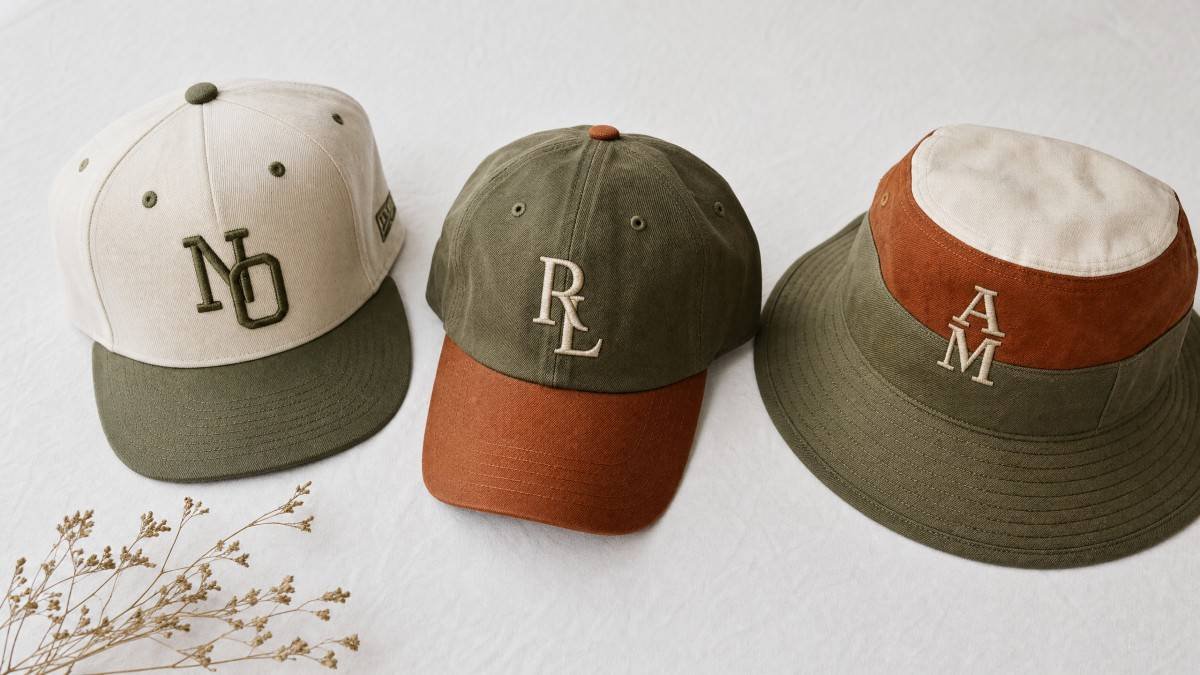
The unstructured six-panel dad hat and the classic five-panel trucker hat dominate the current custom headwear market, reflecting a broader fashion trend toward nostalgic, relaxed aesthetics. These vintage silhouettes provide a familiar, comfortable foundation that contrasts effectively with modern, highly detailed customization techniques.
The dominance of the “dad hat” in recent years illustrates a collective pivot away from the stiff, flat-brimmed snapbacks that characterized early 2010s streetwear. Characterized by its soft, unstructured crown and pre-curved brim, the dad hat offers a low-profile fit that integrates seamlessly into both casual and elevated wardrobes. Its relaxed fabric surface serves as an ideal canvas for minimalist embroidery, allowing small logos or subtle text to stand out without overwhelming the wearer’s overall aesthetic.
Simultaneously, the five-panel trucker hat has experienced a significant revival, driven by a resurgence of early 2000s fashion trends. Unlike the foam-front iterations of the past, modern custom trucker hats utilize premium materials such as heavy cotton twill, suede, and high-grade nylon mesh. The distinct, structured front panel provides a prominent display area for woven patches, intricate chain-stitch embroidery, or bold screen printing.
Advancements in Customization Techniques
Modern custom hats rely on high-density 3D embroidery, laser-cut woven patches, and direct-to-film printing to achieve complex, durable designs that were previously impossible in small-batch production. These technological advancements allow independent creators to produce retail-quality headwear without massive upfront investments.
Embroidery remains the gold standard for custom headwear, but the technology driving it has evolved dramatically. High-density 3D embroidery, often referred to as puff embroidery, utilizes a foam underlay to raise the thread above the surface of the fabric, creating a striking, tactile effect. This technique requires specialized digitizing software to map the needle path precisely, ensuring that the foam is completely covered and the edges remain sharp.
Beyond direct embroidery, the use of custom patches has become increasingly sophisticated. Laser-cut woven patches allow for a level of detail and color accuracy that traditional embroidery cannot match, making them ideal for complex illustrations or intricate crests. These patches can be applied using heat presses or heavy-duty merrowed stitching, offering designers flexibility in how the final product looks and feels.
The Role of Sustainable Materials
Environmental concerns are reshaping headwear production, with organic cotton, recycled polyester, and hemp replacing conventional fabrics. Sustainable custom hats reduce water usage and divert plastic waste from landfills, addressing consumer demand for eco-conscious fashion accessories.
The fashion industry’s broader shift toward sustainability has profoundly impacted the production of custom hats. Historically, headwear manufacturing relied heavily on conventional cotton—a notoriously water-intensive crop—and virgin synthetic fibers derived from petroleum. Today, forward-thinking brands are prioritizing organic cotton, which is grown without synthetic pesticides or fertilizers, thereby reducing soil degradation and water pollution.
Recycled polyester, commonly known as rPET, has emerged as a crucial material for performance and outdoor headwear. Manufactured by melting down post-consumer plastic bottles and spinning them into new fibers, rPET requires significantly less energy to produce than virgin polyester. According to textile industry reports, utilizing recycled polyester in apparel production can significantly reduce greenhouse gas emissions compared to traditional manufacturing methods, making it a highly attractive option for eco-conscious brands [1].
Cultural Impact and Personal Branding
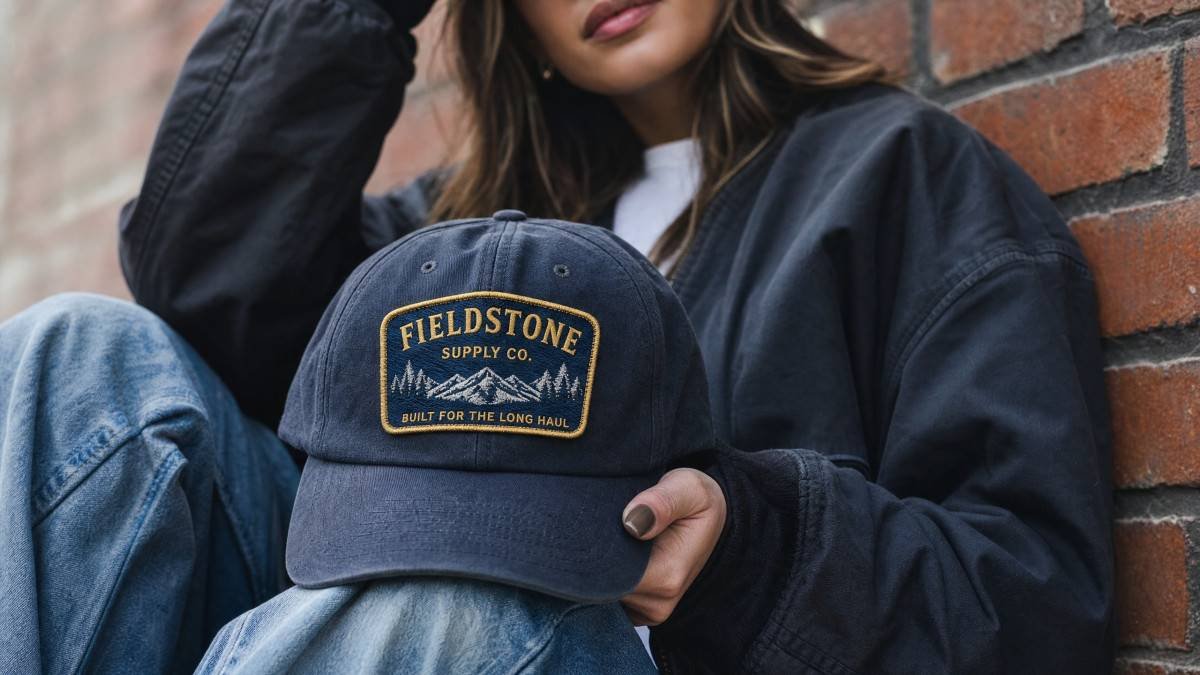
Custom hats function as highly visible markers of identity, allowing individuals to signal affiliations, beliefs, or aesthetic preferences. In an era of mass-produced fast fashion, a personalized cap serves as a curated statement piece that distinguishes the wearer from the crowd.
The cultural significance of the custom hat extends far beyond its utilitarian function of providing shade. In modern streetwear, a hat is often the focal point of an outfit, a deliberate choice that communicates a specific cultural literacy. Independent brands use limited-edition hat drops to build community and generate exclusivity, creating a sense of urgency and belonging among their consumer base.
This phenomenon is heavily amplified by social media, where the visual impact of an accessory is paramount. A well-designed custom hat frames the face and is prominently featured in selfies and portrait photography, making it a highly effective tool for personal branding. Influencers and content creators frequently design their own merchandise lines, using custom headwear as a tangible extension of their digital persona.
Comparing Headwear Customization Methods
Choosing the right customization method depends on the complexity of the design, the required durability, and the production budget. Embroidery offers premium texture, while Direct-to-Film printing provides unmatched color detail for complex graphics.
When developing a custom hat, understanding the strengths and limitations of different application methods is crucial for achieving the desired aesthetic. The fabric of the hat, the curvature of the crown, and the intricacy of the artwork all dictate which technique will yield the best results. A mismatch between the design and the application method can lead to puckered fabric, distorted logos, or premature wear and tear.
Direct embroidery is generally the most durable and visually striking option, but it struggles with small text and complex color gradients. The physical limitations of needle and thread mean that highly detailed illustrations often need to be simplified or stylized to translate effectively into embroidery. Conversely, woven patches can capture much finer details because the threads are woven together on a loom rather than stitched directly into the heavy twill of the hat.
| Customization Method | Best Suited For | Durability | Cost for Small Batches |
|---|---|---|---|
| Direct 3D Embroidery | Bold logos, simple typography, premium streetwear | Excellent | High |
| Woven Patches | Intricate crests, detailed illustrations, vintage aesthetics | Very Good | Medium |
| Direct-to-Film (DTF) Print | Photographic designs, complex color gradients, high detail | Good | Low |
| Leather Debossed Patches | Minimalist branding, outdoor lifestyle, heritage workwear | Excellent | High |
The Future of Bespoke Headwear
The future of custom hats lies in the integration of smart textiles, on-demand local manufacturing, and augmented reality design interfaces. These innovations will further reduce waste and allow for unprecedented levels of hyper-personalization in the fashion industry.
As manufacturing technology continues to advance, the lead times and minimum order quantities associated with custom headwear are rapidly decreasing. The rise of micro-factories equipped with automated embroidery machines and DTF printers allows for true on-demand production. This shift mitigates the environmental impact of overproduction, as hats are only manufactured after an order is placed.
Furthermore, the integration of augmented reality (AR) into the design process is transforming how consumers interact with custom apparel. AR interfaces allow users to visualize exactly how a specific logo will look on different hat profiles in real-time, adjusting scale and placement with high precision before finalizing a purchase. As noted by fashion historians, when the tools of production become accessible to the public, the resulting garments cease to be mere commodities and become artifacts of personal narrative and creative expression [2].
Frequently Asked Questions
What is the most popular style for custom hats right now?
The unstructured six-panel dad hat remains the most popular style for customization in everyday fashion. Its relaxed fit and curved brim offer a versatile canvas for minimalist embroidery, making it a staple in both streetwear and casual wardrobes.
How does embroidery compare to screen printing for custom hats?
Embroidery provides a textured, three-dimensional finish that is highly durable and associated with premium quality, making it the preferred choice for high-end custom hats. Screen printing tends to crack or fade over time when applied to curved fabric surfaces.
Are custom bucket hats still considered fashionable?
Yes, custom bucket hats have solidified their place in contemporary fashion, evolving beyond their nostalgic 1990s revival. Designers now utilize premium materials such as corduroy, heavy canvas, and sustainable organic cotton to elevate the silhouette.
What materials are best for sustainable custom headwear?
Organic cotton, recycled polyester derived from plastic bottles, and hemp are currently the leading materials for sustainable custom headwear. These fabrics reduce environmental impact while maintaining the durability required for daily wear and tear.
The evolution of custom hats highlights a broader industry shift toward personalization, sustainability, and technological integration. As consumers continue to demand unique, high-quality accessories that reflect their individual identities, the methods and materials used to create bespoke headwear will only become more sophisticated and accessible.
References
- Textile Exchange. “Preferred Fiber and Materials Market Report.” Global sustainability metrics for recycled polyester and organic cotton usage in the apparel industry.
- Fashion Institute of Technology. “The Democratization of Design: How On-Demand Manufacturing is Reshaping Streetwear.” Academic journal detailing the cultural impact of accessible customization tools.