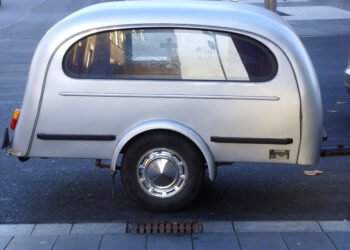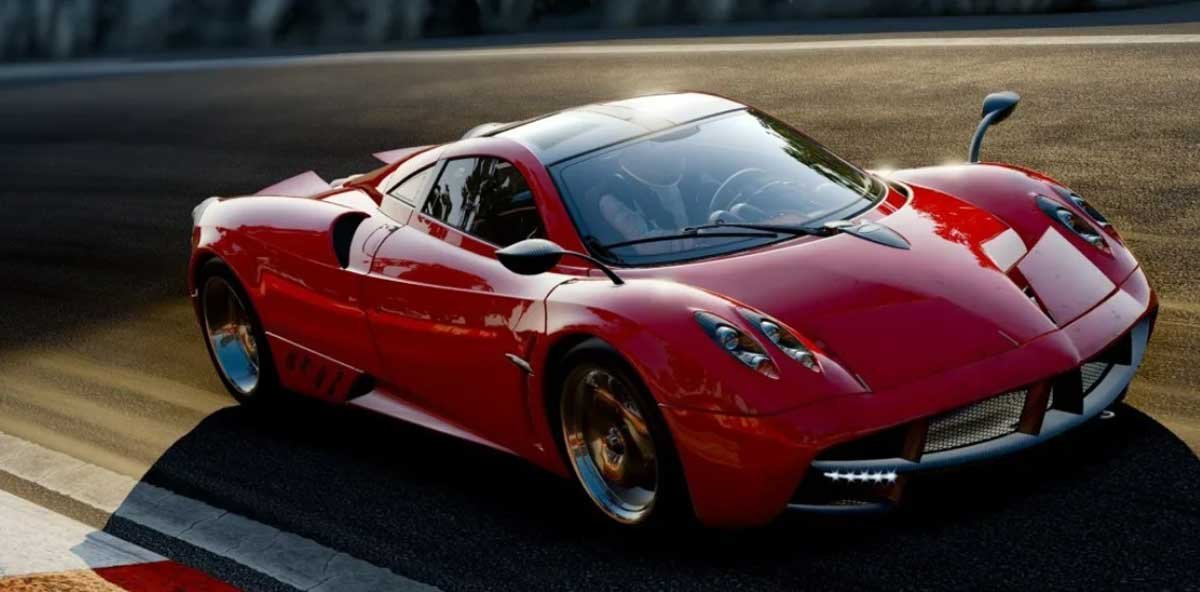
For many automotive enthusiasts, the ultimate dream is not just owning a classic, but owning something truly unique. We scour auction listings and dusty barns looking for low-volume production runs, forgotten prototypes, or coachbuilt oddities. The allure of exclusivity is powerful. Driving a vehicle that no one else has seen in person offers a distinct thrill that a mass-produced supercar simply cannot match.
However, the fantasy of stewardship often clashes violently with the reality of maintenance. When you move away from standard production models and into the realm of rare vehicles and prototypes, the logistics of keeping the car on the road shift from a hobby to a part-time job. It requires patience, significant financial resources, and a network of specialists that can take years to cultivate.
The Engineering Nightmare of “One of One”
The primary challenge with rare vehicles, particularly prototypes and concepts, is that they were rarely designed with long-term serviceability in mind. Concept cars are often built to last for the duration of a motor show circuit, not for a decade of Sunday drives. They frequently utilise bespoke parts, experimental materials, and engineering solutions that never made it into mass production.
Enthusiast hubs like the Shannons Club are filled with stories of owners grappling with these obscure machines. Take, for example, the limited-run Australian specials of the 1970s. These vehicles often featured hand-modified components that aren’t listed in any standard parts catalogue. Maintaining such a machine presents a logistical puzzle where you cannot simply look up a part number for a chassis component that was custom-fabricated decades ago.
This is where the contrast with daily ownership becomes stark. If you own a standard Holden or Toyota, you have the luxury of established infrastructure. You can book a service with a reliable car mechanic in Southport and know that they have access to the necessary diagnostic tools, replacement filters, and factory service manuals. With a rare classic, there is no manual. The “mechanic” often needs to be a team of engineers who can reverse-engineer the original design intent before they even pick up a wrench.
The Financial Commitment of Stewardship
Beyond the technical headaches, the financial reality of preserving automotive history is substantial. It is a common misconception that once the purchase price is paid, the major expenses are over. In reality, the cost of “stewardship” (preservation and maintenance) often eclipses the initial investment, especially for vehicles that require climate-controlled storage and specialist insurance valuations.
The economic impact of this sector is massive, driven largely by the dedication of owners who refuse to let these machines fade away. Recent data from the Australian Motor Heritage Foundation highlights this commitment, revealing that enthusiast owners spend an average of over $10,000 annually per vehicle. This figure encompasses maintenance, parts, storage, and event participation. When applied to the estimated 970,000 historic vehicles in Australia, the sector contributes over $25 billion to the economy.
Insurance premiums for these unique vehicles can also be eye-watering, as standard insurers often struggle to value a car with no comparable market sales. Owners must rely on specialist brokers to secure agreed-value policies that reflect the historical significance of the machine rather than just its scrap metal value. For the owner of a rare vehicle, these costs are often front-loaded into specific areas:
- Custom Fabrication: When New Old Stock (NOS) parts do not exist, components must be machined from scratch using expensive tooling.
- Specialist Labour: General mechanics may refuse to touch a rare car due to liability concerns, forcing owners to ship vehicles interstate to marque specialists.
- Research: Hours spent verifying the provenance of parts or tracking down original blueprints.
- Storage: Rare vehicles often require humidity-controlled environments to prevent the degradation of fragile interior materials or experimental paints.
The Hunt for “Unobtainium”
The most time-consuming aspect of living with a legend is the parts hunt. In the world of mass production, parts are interchangeable. In the world of limited-run vehicles, a water pump might have been sourced from a tractor, a window switch from an aircraft, and a tail light from a totally different manufacturer.
Identifying these cross-compatible parts is an art form known as “parts bin archeology.” Owners often spend more time on forums and browsing catalogues than they do driving. For true prototypes, the situation is even more complex. If a unique electronic control unit fails, it cannot be replaced. It must be rebuilt by an electronics engineer who understands archaic circuit board designs.
Fortunately, modern technology is beginning to assist. 3D printing and scanning allow owners to recreate brittle plastic trim or unobtainable gears without needing original moulds. This blend of old-school mechanics and new-age manufacturing is keeping many of these legends alive. Despite these hurdles, the community remains vibrant. The difficulty of the task is often part of the appeal. Successfully diagnosing an issue on a car that should not exist, or tracking down the original fabricator who built the chassis twenty years ago, provides a sense of accomplishment that simple ownership cannot provide.
Preserving the Narrative
Ultimately, we do not own these vehicles just to drive them. We own them to preserve a narrative. Every concept car and low-volume special tells a story about the era in which it was built. They represent the dreams of designers and the ambitions of engineers who wanted to push the envelope.
Living with a legend is not for the faint of heart. It requires a deep pocket and an even deeper well of patience. Yet, when the engine fires up and you roll out onto the tarmac in a piece of rolling history, the frustration of the fabrication bills and the months of downtime tends to fade away. You are not just a driver. You are the curator of a mechanical art form, ensuring that the next generation can see, hear, and smell the history of the automobile.