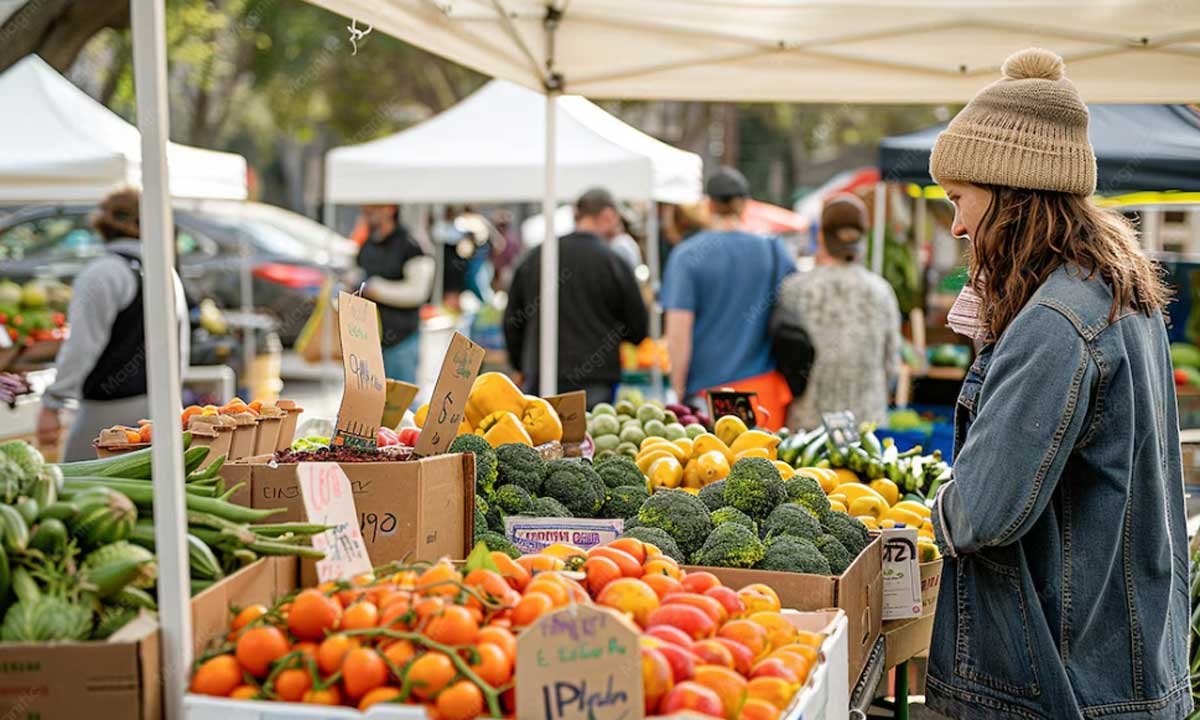
The Growing Popularity of Farmers’ Markets
In communities across the country, farmers’ markets have become essential for anyone pursuing a healthier lifestyle. These vibrant markets offer fresh, locally sourced produce and an opportunity to connect with the people growing our food. As consumer interest in clean eating rises, so does the popularity of these weekly or seasonal gatherings. Research from the University of Wisconsin, published in March 2025, indicates that 80% of Americans now attend a local farmers’ market at least once a year, while 41% report visiting 6 or more times per year. This national trend is fueled by growing preferences for nutritious and environmentally conscious food choices. Many shoppers are reducing their carbon footprint by purchasing seasonal goods that do not need to travel long distances to reach their plates. Additionally, local markets foster community engagement by serving as gathering points that foster relationships between neighbors and food producers.
Farmers’ markets also offer educational opportunities for families, children, and individuals interested in learning more about where their food comes from. Customers can speak directly to growers and artisans, ask questions about farming practices, and get tips on cooking and preserving seasonal bounty. In turn, these interactions build greater trust and transparency throughout the local supply chain.
For those looking to expand their palates and find an array of fresh ingredients, existing farmers’ markets and farm partnerships are providing increased access to diverse organic selections that highlight the best of each growing season.
Integrating Local Produce into Retail
As demand for farm-fresh quality grows, mainstream grocery retailers are responding by partnering with regional growers. One successful collaboration, orchestrated by Foodshed.io and Fresh Thyme Market, connected eight independent farms with six major stores in Chicago and Indianapolis. Shoppers at these locations enjoyed over 27 different kinds of seasonal produce, a selection typically limited to community farmers’ markets. Now, consumers can enjoy the same quality and freshness while shopping for weekly groceries, closing the gap between small farms and mainstream consumers.
Retail partnerships not only deliver fresh food to more customers but also support the viability of small and midsize farms. Such partnerships help build resilient food networks by keeping dollars in local economies and reducing the environmental costs associated with long-distance food transport.
Community-Supported Agriculture and Urban Farming
Community-supported agriculture (CSA) programs are also gaining momentum. CSAs allow members to purchase “shares” at the beginning of a season, supporting local farmers by providing funds upfront. In return, members receive regular deliveries or pick-ups of farm-fresh produce throughout the growing season. This subscription model minimizes waste, encourages sustainable farming, and creates direct relationships between growers and consumers. Urban agriculture further expands access to quality produce by transforming vacant lots, rooftops, and community spaces into productive gardens. From schoolyard plots to multi-acre cooperatives, urban growing initiatives bring fresh food to areas that may struggle with access to it. These projects build community and improve self-sufficiency while demonstrating environmentally sustainable practices in densely populated areas.
Challenges and Opportunities in Local Food Systems
Although local food systems present clear benefits, farmers face challenges such as rising costs and inconsistent funding. The climate and economic pressures make crop planning more unpredictable. Despite these issues, the appetite for organic, locally sourced products continues to rise. Strengthening the local food movement will require support from policymakers and consumers alike, with strategic funding, grants, and community initiatives playing essential roles. Championing local farms helps ensure the resilience and sustainability of food systems for generations to come.
The Role of Technology in Sustainable Food Markets
Technology is rapidly transforming the way local farmers reach consumers. Digital platforms such as Foodshed.io connect farmers with restaurants and retailers for efficient deliveries, ensuring produce reaches customers at peak freshness. Mobile apps and online marketplaces now allow shoppers to locate nearby farmers’ markets, join CSA programs, and order directly from local producers. These innovations simplify access and expand the market for sustainable foods well beyond traditional venues.
Environmental and Health Benefits of Local Produce
Choosing local food brings both individual and collective rewards. Shorter supply chains mean less transportation and packaging, reducing greenhouse gas emissions. Fresh, in-season produce is typically more nutrient-dense and flavorful than produce picked early for long-distance shipping. Furthermore, the success of local farms circulates dollars back into the community, creating jobs and fostering economic stability.
Future Trends in Sustainable Food Markets
The future of sustainable food points toward continued growth, innovation, and collaboration. Increasing transparency in food sourcing, alongside a push for clean labeling, signals a shift in consumer priorities. Urban agriculture projects, including advanced hydroponics and vertical farming, are poised for expansion, especially in cities with limited space. Community support and favorable policies will further amplify these trends, helping the next generation access healthier, more sustainable food options.
Conclusion
The movement toward local produce and sustainable food markets demonstrates a widespread shift in both values and habits. By engaging in farmers’ markets, participating in CSA programs, and nurturing urban agriculture, consumers strengthen their communities and promote environmental responsibility. The involvement of retailers, technology platforms, and supportive policies will remain critical to achieving a robust, resilient local food network in the years to come.