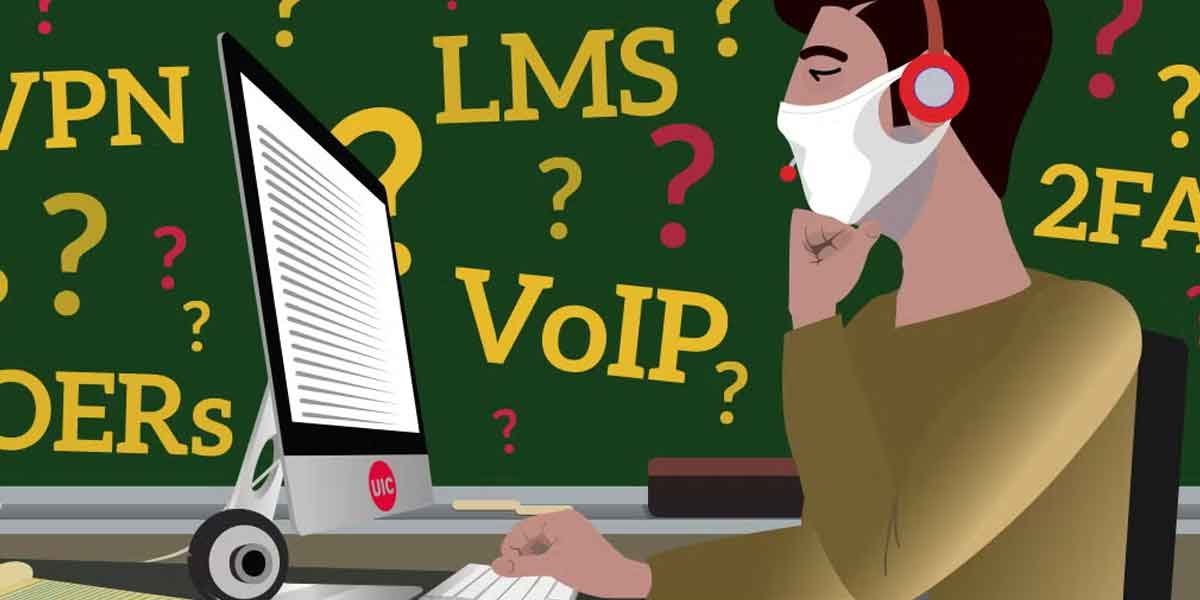
Online learning is often described in technical terms. People talk about platforms, portals, video lectures, and discussion boards. Those things are all part of it, but they do not fully explain what online learning actually is. At its core, online learning is a different relationship with education. It gives students more control over when and where learning happens, but it also asks them to take more ownership of how it happens.
That balance is especially important for students comparing paths like Campus.edu, which is online, vs in-person community college. The format changes the daily experience of being a student. You are not just choosing where to take classes. You are choosing how structure, flexibility, and responsibility will work in your life.
Understanding online learning means looking past the screen. It is not just digital delivery. It is a system that changes the rhythm of education and the role the student plays inside it.
Online Learning Is Built Around Access
One of the biggest strengths of online learning is access. Students can attend classes, review materials, submit work, and communicate with instructors from almost anywhere with a solid internet connection. That opens doors for people who might not be able to commute, relocate, or fit a rigid class schedule into their lives.
This matters for working adults, parents, rural students, and anyone trying to continue education while managing other responsibilities. Online learning does not remove every barrier, but it removes many location-based ones.
It Changes the Student’s Job
In a traditional classroom, some structure is built in automatically. You physically go to class. There is a routine. There are visible reminders that school is happening. Online learning removes much of that physical structure, which means students often need to create more of it themselves.
That does not make online learning worse. It makes it different. Success depends more heavily on time management, organization, and self-direction. You have to check course materials regularly, keep track of deadlines, and engage with content without waiting for someone to stand in front of you and set the pace every day. For some students, this feels freeing. For others, it feels unfamiliar at first. Either way, understanding this shift is essential.
Online Learning Can Be Synchronous or Flexible
Not all online learning works the same way. Some courses meet live at scheduled times. Others are asynchronous, which means you can complete work on your own schedule within a broader timeframe. Many programs use a mix of both.
This difference matters because students often imagine online education as completely self-paced. Sometimes it is. Sometimes it is not. Understanding the format helps you plan better. A flexible course may still require weekly deadlines. A live online class may still demand a reliable quiet space at a certain hour.
The stronger your understanding of the format, the less likely you are to be surprised by its demands.
Good Online Learning Still Requires Active Participation
There is a myth that online learning is mostly passive. Watch the lecture, click through the module, and move on. In reality, the strongest online learning requires active participation. Students learn more effectively when they engage with ideas, question them, apply them, and discuss them. That is just as true online as it is in person.
So understanding online learning also means understanding that the student still has to do real cognitive work. The screen changes the format, not the fundamental need to think, reflect, and practice.
The Flexibility Is Real, but So Is the Responsibility
A lot of students are drawn to online learning because it seems easier to fit around a busy life. That can absolutely be true. But flexibility only helps when it is managed well. Without a plan, flexibility can turn into delay. Without a routine, freedom can turn into disorganization.
This is where many students need a mindset shift. Online learning is not easy because it asks less of you. It is often effective because it gives you more control over when you meet those demands. The responsibility still exists. It is just distributed differently. That can be empowering when students understand it early.
Connection Still Matters
Some students worry online learning will feel impersonal. It can if you treat it as a solo process, but it does not have to. Instructors, classmates, advisors, and support services are still part of the experience. Discussion boards, emails, group work, office hours, and academic support systems can all help online education feel much more connected.
Students usually get more from online learning when they use those channels intentionally. Asking questions, joining conversations, and reaching out early can make the format feel more human and much less isolating.
Online Learning Is Best Understood as a Different Environment
In the end, understanding online learning means recognizing that it is not simply a digital version of a classroom. It is a different environment with different strengths, demands, and rhythms. It offers access, flexibility, and convenience, but it also depends on student ownership in a very real way.
Once you understand that, online learning stops seeming vague or mysterious. It becomes what it really is: a serious educational format that works best when students meet its flexibility with intention, structure, and active engagement.