Credit Is a Tool for Moving Time
Credit is often discussed as though its main purpose is to produce a score. People monitor the number, celebrate increases, and worry when it falls. The score matters, but it is only a measurement. The real purpose of credit is much more practical: it allows you to use money, goods, or services now and pay for them later.
Someone researching Debt Relief in California may already understand that credit can become difficult when repayment obligations grow beyond what a budget can comfortably support. That experience does not mean credit itself is automatically harmful. It means the timing, cost, and amount of borrowing must match the borrower’s ability to repay.
At its core, credit is an agreement about time. A lender, seller, or service provider gives you access to something before receiving full payment. In return, you promise to repay according to specific terms. When used carefully, this arrangement can help you manage large purchases, respond to important needs, and build a record of financial reliability.
Credit Is Based on Trust
The word credit is closely connected to trust.
A lender cannot know with certainty whether every borrower will repay. Instead, the lender reviews available information and estimates the risk. Income, existing debt, payment history, account balances, and credit scores may all influence that estimate.
Your credit history becomes a record of how you have handled previous agreements. It may show whether payments were made on time, how much money is currently owed, and how long accounts have been open.
The federal resource Consumer.gov explains credit history as information about your loans, credit cards, balances, account age, and payment behavior. This information helps businesses decide whether they are comfortable extending credit.
In this sense, using credit responsibly is similar to building a professional reputation. One action does not define the entire record. Reliability develops through repeated behavior.
Each payment adds information. Over time, lenders gain a clearer picture of how you manage financial obligations.
Credit Allows Access Before Full Payment
Many important purchases cost more than most people can pay at once.
A home is the clearest example. Saving the entire purchase price in cash could take decades, especially while paying rent and other living expenses. A mortgage allows a qualified buyer to purchase the property and repay the amount over many years.
Vehicle financing works in a similar way. A reliable car may be necessary for work, school, medical appointments, or family responsibilities. Credit can make the vehicle available before the buyer has saved the full price.
Credit may also support education, home repairs, business equipment, or medical needs.
The benefit is access. The cost is the obligation to repay, usually with interest and possible fees.
This exchange should always be evaluated carefully. Receiving something sooner can be valuable, but early access is not free. The total amount repaid may be significantly higher than the original purchase price.
Understanding credit means considering both sides of the agreement.
Interest Is the Price of Borrowing Time
When you borrow money, interest is often the price you pay for using someone else’s funds.
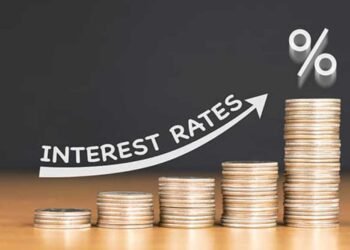
The interest rate influences how expensive the agreement becomes. A lower rate generally means less interest over the repayment period, while a higher rate can make the same purchase much more costly.
The length of the loan also matters.
A longer repayment period may create a smaller monthly payment, which can appear easier to manage. However, making payments for more years can increase the total interest paid.
This is why monthly payment alone does not reveal the full cost of credit.
Before accepting an offer, review the interest rate, fees, repayment period, monthly payment, and total repayment amount. Ask whether the payment fits the budget without depending on perfect circumstances.
A payment that is manageable only when income is unusually high or expenses are unusually low may create problems later.
Credit works best when the cost of borrowing is understood before the agreement begins.