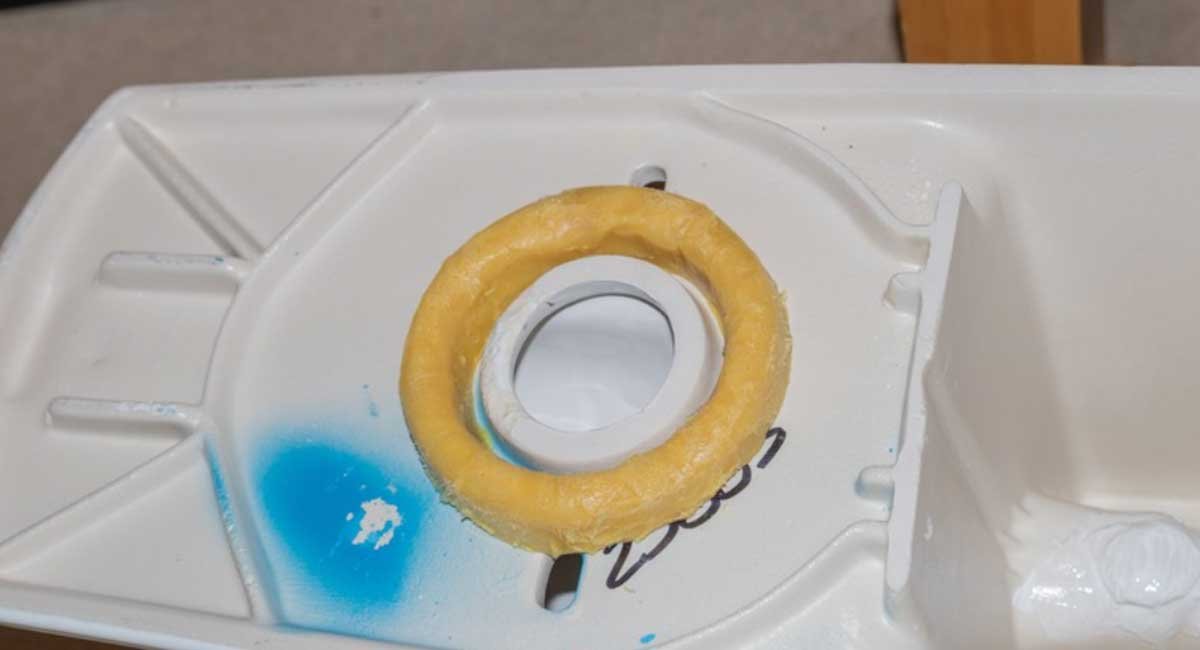
Noticing water pooling around the base of your toilet can be alarming. While many homeowners assume the issue is a cracked bowl or a loose supply line, the real culprit is often much simpler: a failed wax ring. This small but essential seal sits between the toilet and the drain flange, preventing water and sewer gases from escaping. When it deteriorates or shifts, leaks begin to appear around the base. A licensed plumber Springdale, AR homeowners trust can quickly diagnose and correct the issue before it leads to subfloor damage or mold growth.
What Does the Wax Ring Actually Do?
The wax ring creates a watertight and airtight seal between the bottom of the toilet and the floor drain. Each time the toilet is flushed, wastewater passes through this seal into the sewer line.
Because the ring is made of wax, it does not dry out under normal conditions. However, movement, improper installation, or long-term compression can compromise the seal. Once that seal is broken, water seeps out at the base instead of flowing directly into the drain.
Signs the Wax Ring Has Failed
Water around the toilet base is the most obvious symptom, but other warning signs may appear as well.
You might notice:
- A persistent sewer odor in the bathroom
- Flooring that feels soft or spongy near the toilet
- Staining or discoloration around the base
- The toilet rocks or shifts when you sit on it
These signs indicate that the seal may no longer be intact. Ignoring the problem allows moisture to seep into the subfloor, potentially causing rot or structural weakening.
Why Wax Rings Fail
Several factors can cause a wax ring to deteriorate or lose its seal. Normal wear over many years is common, especially in older homes. However, movement is a primary cause of failure.
If the toilet is not securely bolted to the floor, even minor shifting can break the seal. Flooring renovations that slightly change the finished floor height can also misalign the toilet flange, preventing the wax ring from compressing properly. In some cases, improper installation from the start leaves the toilet vulnerable to leaks.
The Risk of Delaying Repairs
A small leak today can become a major repair tomorrow. Water that seeps beneath the toilet does not simply evaporate. It saturates the subfloor, damages laminate or tile, and can create ideal conditions for mold growth.
If left untreated, prolonged moisture exposure may require subfloor replacement or structural repairs. What starts as a simple seal replacement can turn into a costly flooring renovation.
Repairing the Problem
Replacing a wax ring requires removing the toilet, cleaning the flange, installing a new seal, and resetting the fixture. While some homeowners attempt this as a DIY project, improper alignment or uneven tightening can cause the new seal to fail prematurely.
A professional plumber Springdale, AR residents rely on can ensure proper flange height, secure mounting, and correct installation. In some cases, the flange itself may be damaged or corroded and require repair before the new wax ring is placed.
Preventing Future Leaks
After repair, it is important to ensure the toilet remains stable. Properly tightening mounting bolts and avoiding excessive rocking helps preserve the new seal. If flooring is replaced in the future, confirming that the flange height matches the finished floor level will prevent compression issues.
Regularly checking around the toilet base for moisture or movement allows you to catch potential problems early. Small maintenance checks can prevent larger structural damage later.
Final Thoughts
Water around the bottom of your toilet should never be ignored. In many cases, the issue is a worn or damaged wax ring, a relatively simple repair when addressed promptly. Acting quickly prevents water damage, mold growth, and costly subfloor repairs. By consulting a trusted plumber Springdale, AR homeowners depend on, you can resolve the problem efficiently and restore confidence in your bathroom’s plumbing system.