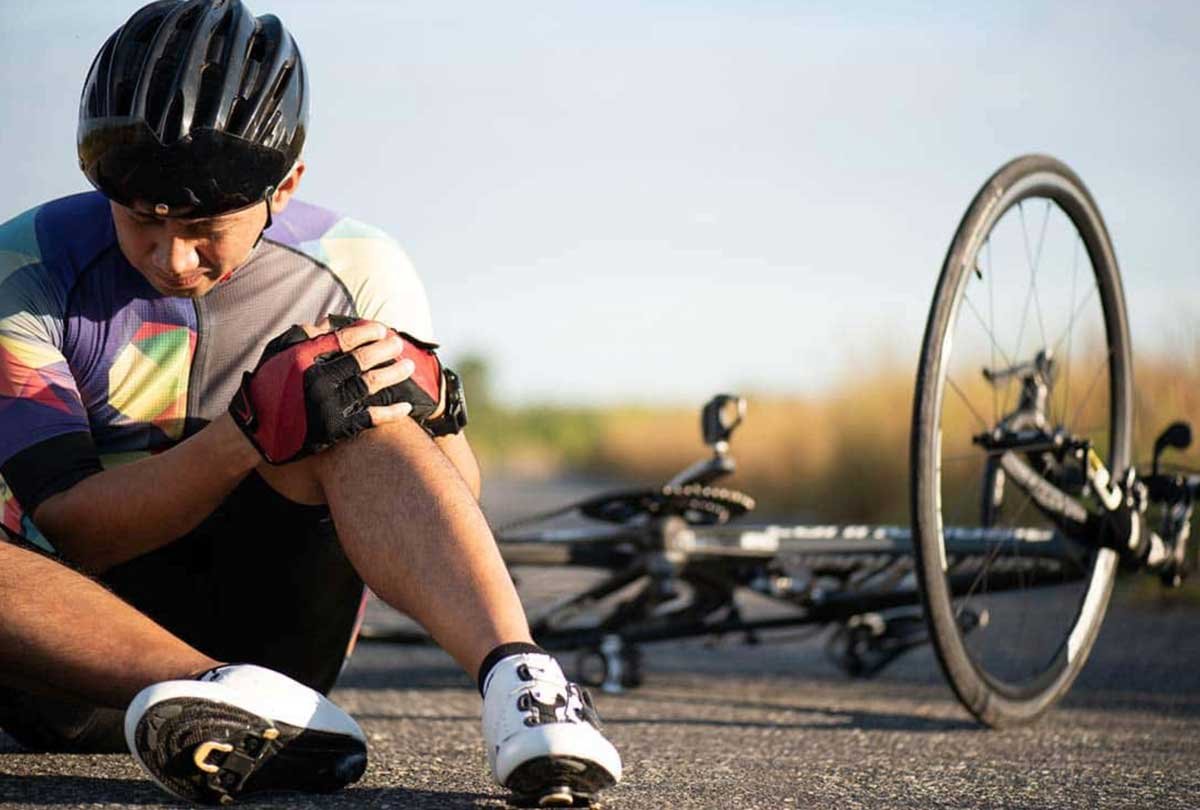
Charlotte’s growing network of roads, neighborhood streets, and shared routes brings cyclists into close contact with motor vehicles every day. When a collision happens, an injured cyclist may face more than physical recovery: questions about right-of-way, visibility, and driver conduct can complicate the insurance process. Those issues can become especially difficult when the available evidence does not clearly establish how the crash occurred.
For cyclists pursuing an injury claim in Charlotte, bicycle accident lawyers can help assess the circumstances and identify the evidence needed to address disputes over responsibility and damages. Auger & Auger bicycle accident attorneys Charlotte can review crash records, witness accounts, medical documentation, and insurance communications to help determine where the claim needs stronger support. A careful review matters when the insurer questions the cyclist’s actions or the cause of an injury.
Fault disputes start with limited evidence
A bicycle crash rarely leaves a complete record of what happened. Vehicle positions change, debris gets moved, and video footage can disappear. A police report provides useful information, but it does not necessarily answer every question about speed, visibility, lane position, or the point of impact.
For that reason, a timely investigation should compare the crash scene with photographs, witness accounts, available recordings, traffic records, and damage patterns. In a disputed claim, small differences between these sources can shape the argument over fault.
Insurance arguments shift blame
Insurers examine bicycle claims for facts that support a shared-fault argument. They can question whether a cyclist followed traffic rules, used the proper lane, or remained visible to a driver.
A claimant also has to address statements made after the crash. A casual comment about feeling fine, an incomplete description of symptoms, or an estimate of what happened can later appear in negotiations. Keeping communications factual and consistent reduces opportunities to reframe the claim.
North Carolina fault rules raise stakes
North Carolina follows contributory negligence, which makes fault analysis especially consequential in bicycle accident cases. If the evidence creates a dispute about whether the cyclist contributed to the collision, the disagreement can affect whether compensation is available.
Because the legal outcome turns on the facts, early case preparation should focus on proving the other party’s conduct rather than simply describing the injuries. For a claim involving scene evidence, witness statements, medical records, and insurance correspondence, a lawyer can review how those records fit together and address disputes about fault, treatment, and financial losses.
Injury records develop over time
A bicycle crash can cause injuries whose full effects become clearer during treatment. Initial records might document emergency care, while later appointments reveal rehabilitation needs, physical limitations, or continuing pain.
A complete claim should connect medical care to the collision and document financial effects as they develop. Useful records include bills, treatment notes, rehabilitation plans, work records, and information about future care. Inconsistent treatment histories give an insurer room to question the extent or cause of an injury.
Financial losses require proof
Damages are harder to resolve when the claimant cannot show how the crash affected daily finances. Medical expenses provide a starting point, but a claim can also involve lost income, reduced earning capacity, and bicycle or equipment damage.
Each category needs records that match the claimed amount. Pay statements, invoices, repair estimates, and medical documentation create a clearer trail than a broad estimate. Keeping these records together also makes it easier to test an insurer’s valuation against the actual losses.
Witnesses can change the dispute
Witness testimony can become important when the driver and cyclist describe the collision differently. A witness who saw the traffic signal, lane position, vehicle movement, or moments before impact can help fill gaps left by physical evidence.
Memory also changes with time. Preserve contact details, and record statements accurately while the events are fresh. A single witness does not automatically decide fault, but consistent testimony can strengthen or weaken competing versions of the crash.
Settlement pressure can complicate claims
Insurance negotiations can become difficult when the carrier disputes liability, questions the medical evidence, or values losses below the claimant’s records. Accepting a settlement too early can also close the claim before later medical or financial effects are fully documented.
A careful review should compare the proposed payment with the available evidence, unresolved treatment needs, documented losses, and the strength of the fault argument. When important facts remain contested, the decision should reflect the evidence rather than pressure to finish the claim quickly.
Conclusion
The hardest bicycle accident claims usually involve a gap between what happened and what the available evidence proves. The practical response is to preserve scene evidence, keep medical and financial records consistent, identify witnesses early, and treat fault as a central issue rather than an afterthought. A focused review of the records can show where the claim is strong and where more proof is needed before settlement.