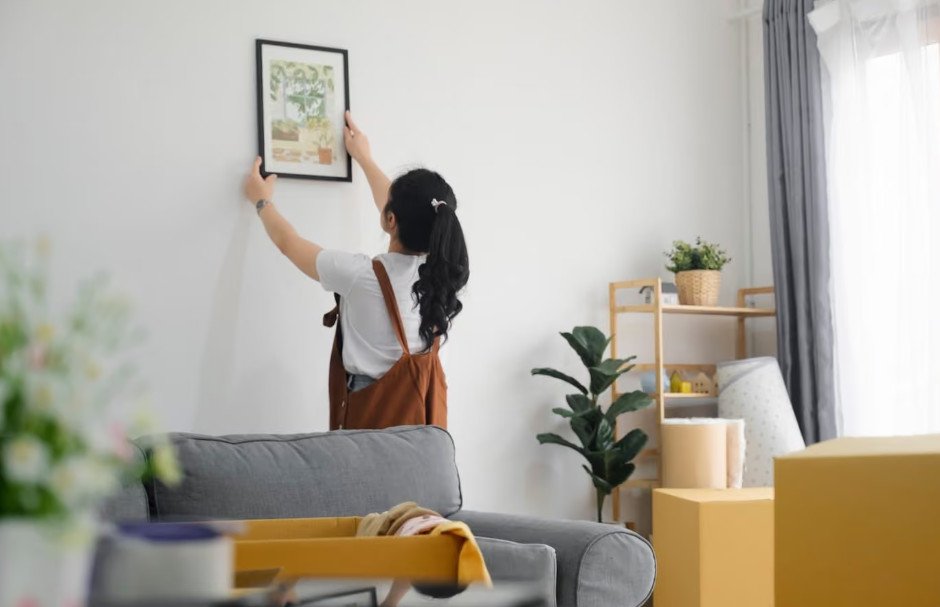
Homes go through awkward phases. Renovations drag on, leases overlap, spare rooms suddenly become home offices, relatives come to stay, or a perfectly normal amount of furniture starts feeling excessive the moment floorboards are being replaced. The problem usually isn’t that you own too much. It’s that your home temporarily has less usable space than usual.
That’s when options such as storage units in Melbourne can become less about long-term storage and more about giving the household some breathing room while things are in flux. The smartest approach is usually to treat temporary storage as a practical buffer, not a dumping ground. If you decide what needs to stay accessible, what can disappear for a while and what probably shouldn’t come back at all, the whole process becomes much easier.
Separate Temporary Clutter From Permanent Clutter
When a room is under renovation or furniture has to be moved out of the way, everything can start looking like clutter. That makes it tempting to pack indiscriminately, which usually creates a second problem later when nobody knows what’s in which box.
A better approach is to sort items into three groups: things you’ll need regularly, things you can live without for a few weeks or months, and things you’ve been meaning to get rid of anyway. Temporary storage should mainly hold the middle category. Everyday essentials should remain accessible, while obvious rubbish, duplicates and broken items are better dealt with before they ever get packed.
Pack for Retrieval, Not Just for Removal
Most people pack differently when they think something is going away for a long time. Boxes get overfilled, labels become vague and useful items end up buried underneath things that aren’t needed at all.
If the storage period is temporary, pack with access in mind. Group similar items together, label boxes clearly and keep the most likely retrieval items near the front. It’s worth writing more than “bedroom” or “kitchen” on a box. A label such as “winter bedding and spare towels” is much more useful when you’re trying to find one thing six weeks later.
Protect Furniture Properly
Furniture often spends temporary storage periods in worse conditions than it experiences at home. Pieces may be stacked, moved more than once or positioned close together, so basic protection matters.
Use covers or blankets to reduce dust and surface damage, and avoid placing heavy items directly on upholstered pieces. If furniture can be safely disassembled, doing so can save space and reduce the chance of awkward pressure points during storage. Keep screws and fittings in labelled bags attached to the relevant item, because nothing makes reassembly more frustrating than having to identify which anonymous bag of hardware belongs to which piece.
Think About Access Before You Fill the Space
The order you load things matters. If you might need a box during the storage period, don’t bury it behind three wardrobes and a dining table.
Create a rough access lane where possible and place less important items towards the back. Frequently needed boxes, seasonal clothing, work equipment or documents should stay closer to the front. This is especially useful during renovations, when the timeline may shift and items you thought you wouldn’t need for months suddenly become relevant again.
Use the Disruption as a Chance to Reassess
Temporary storage can reveal how much of your home is being occupied by things you don’t particularly value. When items have been out of sight for several months and nobody has missed them, that tells you something.
Before bringing everything back, take another look at what was stored. Some items may belong in the new layout, while others might be better sold, donated or discarded. This is particularly useful after renovations, because putting every old item back into a newly improved space can quickly recreate the same cramped feeling you were trying to escape.
Don’t Overfill the House Just Because You Can
Once the renovation ends or the spare room becomes available again, there can be a strong urge to empty storage immediately. That isn’t always the best move.
Bring back the essentials first and give the home time to settle. You may find that certain pieces no longer suit the new layout or that rooms feel better with less furniture than before. Treat the return process as another stage of organising rather than simply reversing the move.
Temporary Storage Works Best When It Has a Purpose
The most useful storage arrangements are tied to a clear reason and timeframe. Maybe the kitchen renovation needs eight weeks. Maybe there’s a three-month overlap between homes. Maybe a room needs to stay clear while someone works from home.
Having that purpose makes decisions easier because you know what the storage period is trying to solve. It also prevents temporary storage from quietly becoming permanent by default.
When your home stops cooperating for a while, you don’t necessarily need to get rid of everything or live surrounded by boxes. Creating a little distance between yourself and the items you don’t currently need can make the whole transition calmer, cleaner and much easier to manage.