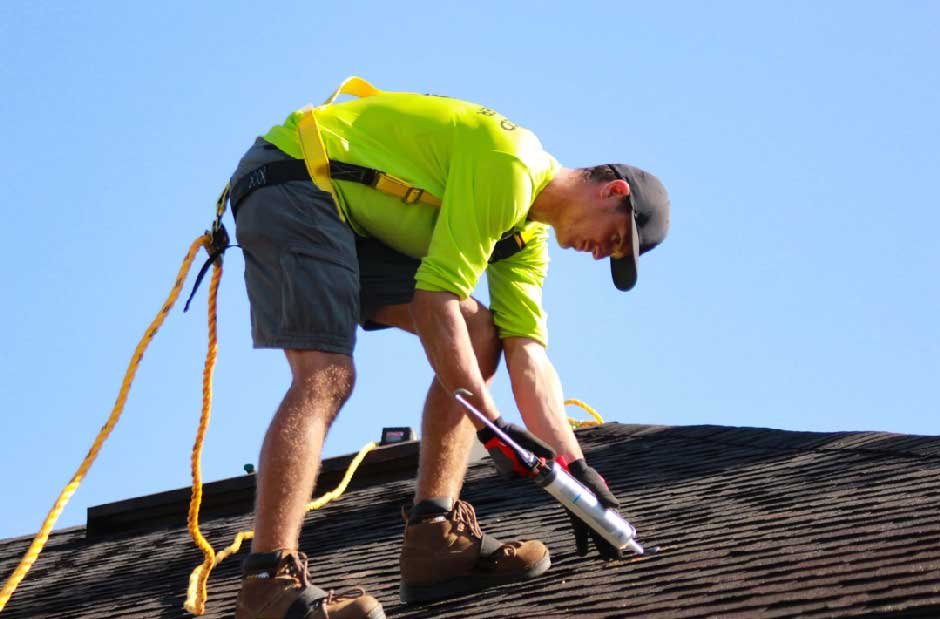
A commercial roof is among the most crucial features of a building. While it protects the interior from the weather, it also makes a significant contribution to energy efficiency and comfort within the property. Like other building elements, however, a roof has a limited lifespan. Whether due to wear and tear, age, or unforeseen damage, there comes a time when replacement is not avoidable.
Understanding the Signs for Replacement
The first and most important step in determining whether a roof needs replacement is to recognize the signs of damage or wear (https://www.greenbuildingadvisor.com/question/a-new-roof-was-put-on-and-ive-been-sick-ever-since) . For many commercial buildings, regular maintenance and inspections can prolong the life of a roof, but eventually, repairs and patches won’t be enough. Common signs that it is time for a full replacement include visible leaks, pooling water, and persistent mold or mildew growth.
Another clear signal that may indicate the need for replacement is when cracked, missing, or curling shingles begin to show up. This defect in the roofing structure can provide a conduit for water to seep into your house and further deteriorate. On the other hand, roofs that are seriously damaged by storms or have been exposed to weather conditions for a long period, such as strong winds and the scorching heat of the sun, can no longer bear or withstand future weather elements.
Advantages of Replacement on Time
Replacing a commercial roof at the right time can be very advantageous in more than one way. First, it can avert any major repairing work, which can cost a bomb in future. Minor problems, if not checked well, could scale into big issues that might require greater repairs. For instance, small undetected leaks may cause damage to water inside the building, from walls and floors to electric systems and inventories.
This means that the more time the roof stays in this condition, the higher the possibility that parts other than the roof need repairs as well. According to this forum, on-time roofing replacement will save energy resources, besides just avoiding further damages. Especially when the insulation is compromised, an older roof can allow a building to lose a significant amount of heat during the winter or allow cool air to escape in the summer.
Furthermore, these inefficiencies raise utility bills, adding uninvited expenses to the ledger. With better modern materials, a new roof regulates the interior temperature, yielding utility savings while keeping employees and customers alike more comfortable.
Replacing a roof also enhances the aesthetic appeal of the building. Over time, weathered roofs can become unsightly, and this may negatively impact the property’s curb appeal and overall value. A newly installed roof, however, can make quite a difference in how the building is perceived, especially if it is up for sale or lease. As a general rule, it can also raise resale value for the building and is generally worth investing in for the returns it will provide in the future.
Types of Commercial Roofs and Their Suitability
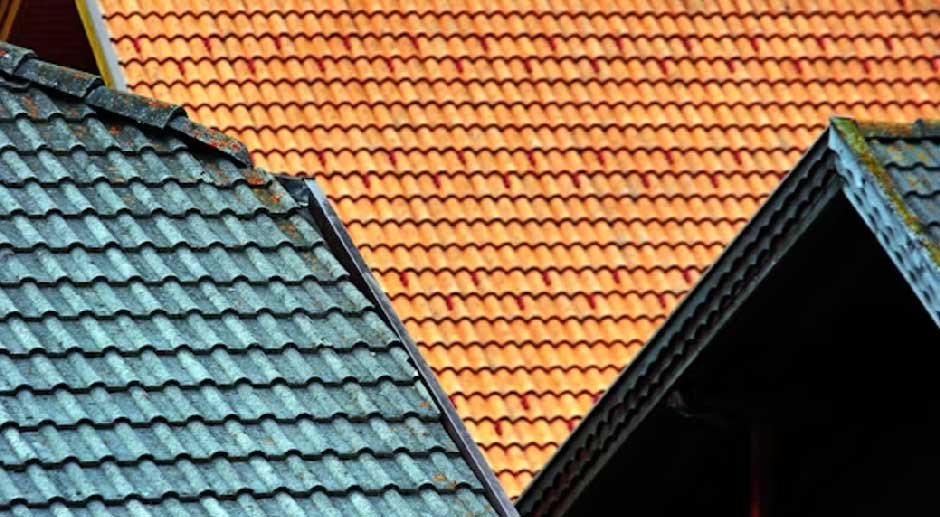
Replacing a roof is just as important as deciding whether the replacement is needed. There are several types of roofing materials that come along with their different advantages and disadvantages. The best option depends on several factors, including the climate, the building’s structure, and the business’s budget.
For businesses in high-temperature areas such as Southern California, a reflective or cool roof might be your best option. These roofs are designed to reflect sunlight and reduce heat absorption. They will be ideal for commercial buildings that require energy efficiency. This can help lower the cooling costs and improve the comfort level of the building. Similarly, TPO (thermoplastic polyolefin) and EPDM (ethylene propylene diene monomer) are durable, energy-efficient options that offer excellent protection against the elements.
The material should be such that it ensures better waterproofing in areas with heavy rainfall or snowfall. Generally, metal roofs are preferred as they are more durable and efficient in shedding water. They also resist wind and snow damage quite well, making them a great choice for places where weather conditions are harsh. Modified bitumen or built-up roofing might work very well for flat-roofed buildings because, by the nature of their multiple-layer constructions, they should be particularly resistant to leakage.
All of these materials have a specific lifespan, ranging from 20 to 50 years depending on the quality of the product and the environment it will be exposed to. Replacements will have to consider these so that a particular material can provide protection for several years. Working with experience can determine the best material suited for the needs of the building and the local climate within one’s budget.
Replacement Process: How to Ensure Success
After the decision to replace it is taken, the process of installation commences. Replacement of a commercial entity involves a huge exercise in expertise and planning. This will have to be entrusted to professional roofing contractors to do the right and quick job. The process generally starts with an in-depth checking of the current state of the roof to identify the condition to be worked on. That gives the contractors an idea as to whether the whole of the roof is to be replaced or just a few sections are to be covered.
Following this, comes the removal of the old roofing material. This process may take anywhere from a few days to a week, depending on the type of roof and the condition it’s in. The Commercial roofing company of choice will make sure all the debris and old material are safely removed and taken away with minimal disruption to the business operations. Once the old roof is cleared, a new base layer is installed, followed by the chosen roofing material. In the installation process, roofers also ensure insulation and aeration to maintain the energy efficiency of the building.
The last step in the replacement process is inspection and maintenance. After installation, a final inspection is made to ensure that all is well and working properly. Regular maintenance is also suggested for the life of the new roof to avoid any possible issues later on. Professional roofers are able to provide information on how the roof should be maintained, from how to handle debris removal to how to check for leaks and when to schedule regular inspections.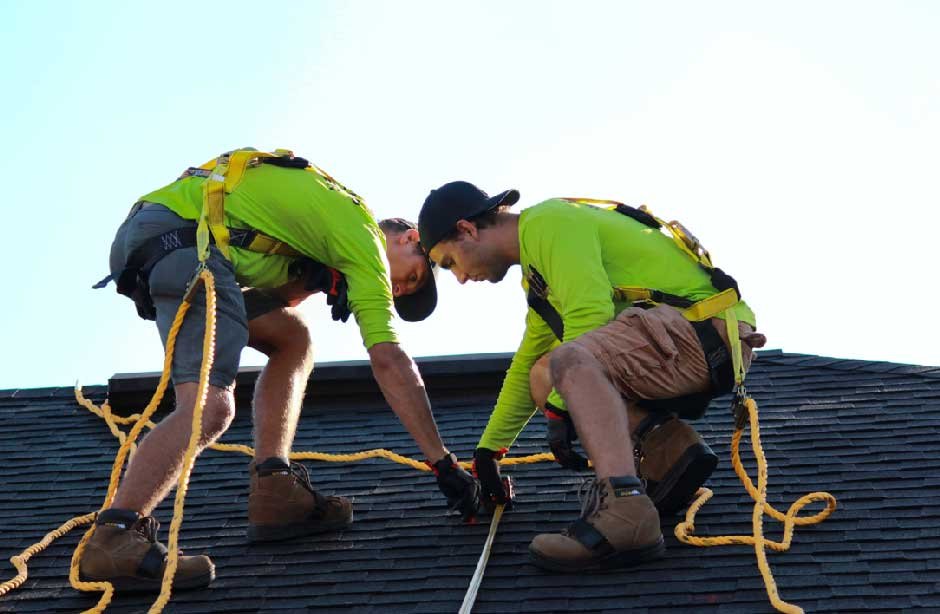
Choosing a Dependable Roofing Contractor
One of the most important decisions in planning a commercial replacement is choosing the right roofing contractor. The quality of the installation depends on the skill, experience, and reputation of the selected contractor. Engaging experienced professionals who provide Commercial Roof Replacement Atlanta (or elsewhere) can ensure that every aspect of the project is handled efficiently and to industry standards. A professional roofing team will ensure that it is installed right but will also advise about the most suitable materials regarding your building’s needs.
While hiring a contractor, it is very important to check his licensure, insurance, and experience with commercial projects. Well-established Chicago commercial roofing contractors (or one in your area) with a good portfolio will be able to take you through the selection process with ease and help you avoid making costly mistakes. Furthermore, a good contractor will give you a detailed estimate of the costs of materials, labor, and other services such as the disposal of old roofing materials.
The backbone is good communication: a reputable roofer will keep their client updated on every step so that there are no surprises once the installation begins. What’s more, they stand behind their work and offer warranties on work that proves to them how long a new roof may last. With the right team in place, you will be confident that your commercial replacement can be completed on time and to a quality standard within budget.
Conclusion: Choosing the Best Fit for Your Business
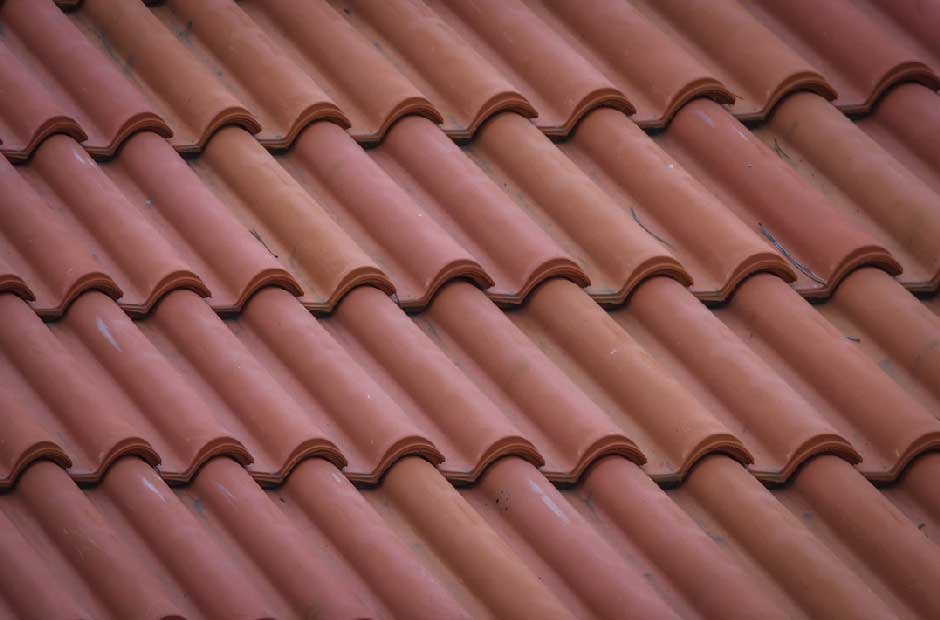
Replacing a commercial one does cost quite a lot; it calls for proper thought and selection right from determining signs for replacement, selecting appropriate materials down to correct installation. All this makes a very vital component of the whole process to maximize life expectancy and performance of a roof. In that regard, changing over at the right time with appropriate materials insulates a property, offers efficiency in energy utilization, and increases the building’s value.