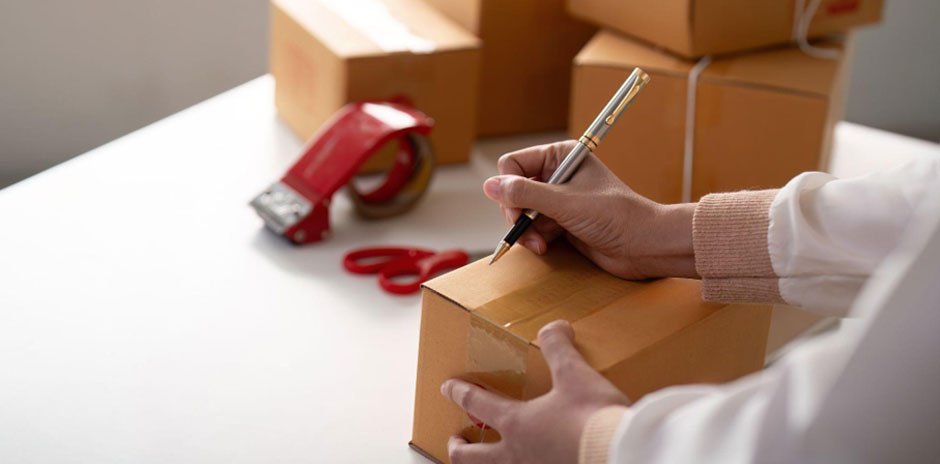
Packing for a move might not be the most glamorous job, but doing it properly can save you a heap of stress on moving day. Anyone who has rushed through it before knows how quickly things can turn chaotic when boxes aren’t labelled, or items are thrown in without a plan. Suddenly, you’re standing in a new house with 40 identical boxes and no clue where your sheets, plates, or toothbrush ended up.
That’s why slowing down, getting organised, and packing with a bit of strategy makes such a big difference. You don’t need fancy tools or expensive packing gear. You just need to know what goes where, how to protect your things, and how to label boxes in a way that actually helps you — not just looks neat on the outside. Below are some easy, practical tips to keep your move running smoothly from the moment you tape the first box shut.
Start with the Right Supplies
Before anything goes into a box, you’ll want decent materials. Cheap, flimsy boxes collapse when you least expect them, and nothing kills your mood faster than watching a bottom tear open mid-move. Go for sturdy cardboard boxes in a few sizes, along with strong tape, markers, and some cushioning—whether that’s butcher’s paper, bubble wrap, or old towels.
Having everything ready before you start helps keep you in a packing rhythm. It also stops you from raiding random cupboards later just because you ran out of padding materials.
Pack Room by Room
One of the easiest mistakes people make is wandering around the house, filling boxes with whatever they grab first. It feels efficient in the moment, but when it’s time to unpack, you’ll wish you’d grouped everything by room.
Stick to one space at a time. Finish the bedroom before starting the kitchen. It’s much clearer, much less stressful, and makes the labelling part far more helpful.
And right around the middle of your packing session, this is usually when people start to wonder how to pack moving box items the right way without overloading them. A good rule is to put heavier items at the bottom, lighter items on top, and always leave enough space for padding so things don’t shift around.
Keep Similar Items Together
Think of each box as a little zone. Don’t mix pantry food with bathroom toiletries or stationery with cutlery — you’ll only confuse yourself later. Keeping like items together also makes it easier to unpack in batches. Instead of sorting individual things, you’re simply opening boxes that already make sense.
This also helps you avoid strange combinations that could damage your belongings, like cleaning products next to clothes or electronics packed beside liquids.
Don’t Overpack
Most people assume bigger boxes are better, but large boxes stuffed to the brim become a nightmare to lift. A good balance is key. Use smaller boxes for heavy items like books, ceramics, and canned goods. Save medium or large boxes for things like linens or toys, where the bulk isn’t heavy.
If you’re unsure whether a box is too full, give it a gentle lift. If it feels like it’s going to test someone’s back, lighten it. Your movers — and your own arms — will thank you later.
Wrap and Cushion Breakables
Anything fragile needs attention. Plates, glasses, ornaments, and small electronics should be wrapped individually. Line the bottom of the box with paper or padding first so nothing bangs directly against the cardboard.
Make sure there’s no empty space inside the box. Fill gaps with towels or scrunched-up paper. The goal is to stop items from knocking into each other during the ride.
Label Clearly and on Multiple Sides
Labelling is where most moves fall apart — not because people forget, but because they label in a way that’s either too vague or written in the wrong spot. A tiny scribble on the top of a box won’t help if the boxes are stacked.
Write the room name in big, clear letters on at least two sides. For example: KITCHEN, BEDROOM, BATHROOM. Underneath, add a short description like “pots and pans” or “winter clothes.” It doesn’t need to be perfect, just informative enough that you can tell exactly what’s inside at a glance.
Colour-coding also works well. You can stick a coloured dot or tape on each box so movers know instantly which room to take it to.
Create a Priority Box
When you arrive at your new home, the last thing you want is to dig through ten boxes just to find your charger or toothbrush. Pack one box with things you’ll need straight away: towels, toiletries, snacks, remote controls, chargers, pyjamas, and basic tools.
Write OPEN FIRST on the outside so you don’t forget which one it is.
Packing and Labelling: The “boring part” of moving?
Nah, it’s the bit that makes everything easier on the other side. A little preparation now saves you from rummaging, guessing, and dealing with unexpected breakages later. When thinking about the best way to pack fragile things in boxes, the safest approach is usually wrapping them individually and cushioning generously.
And if you’re getting help from professionals, they’ll work faster and more safely because they’ll know exactly where everything belongs. For anyone in Cairns planning their next move, Butler’s Removals & Storage is there to help make the whole process smoother.